About Advin Glide Guidewire
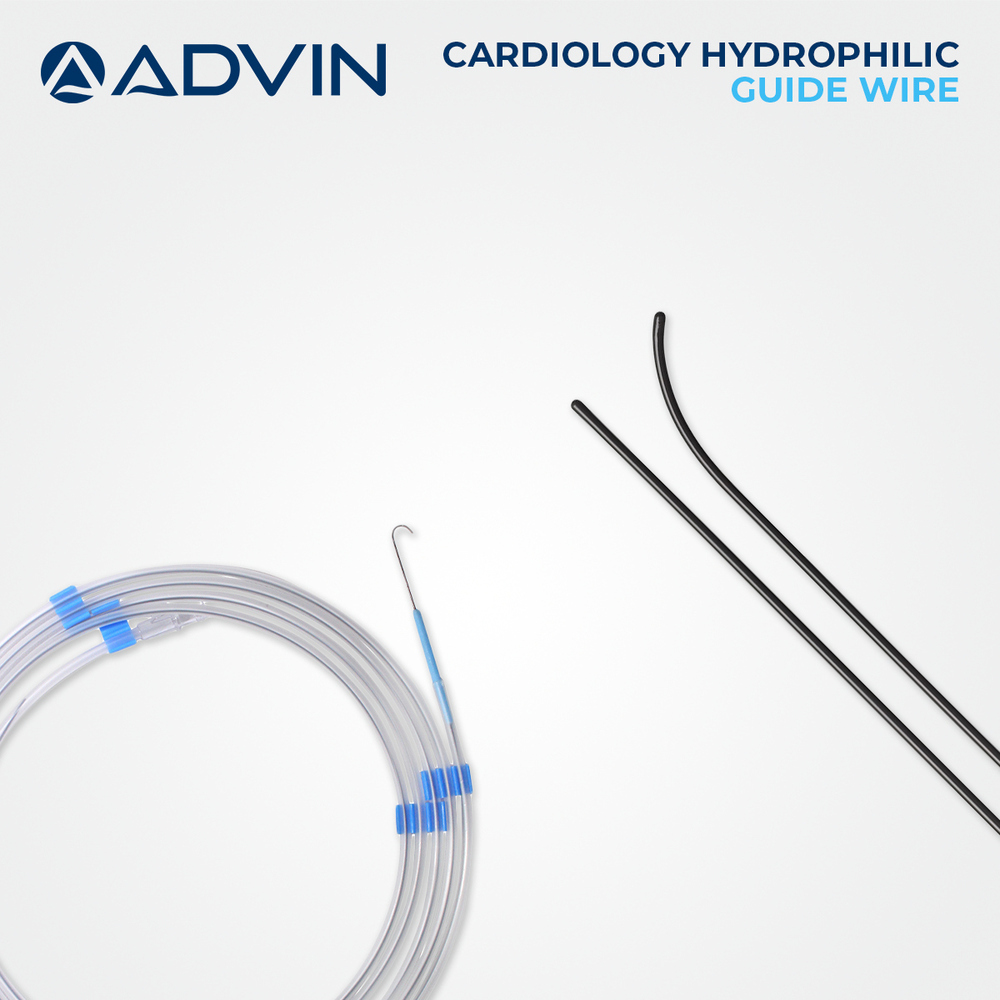
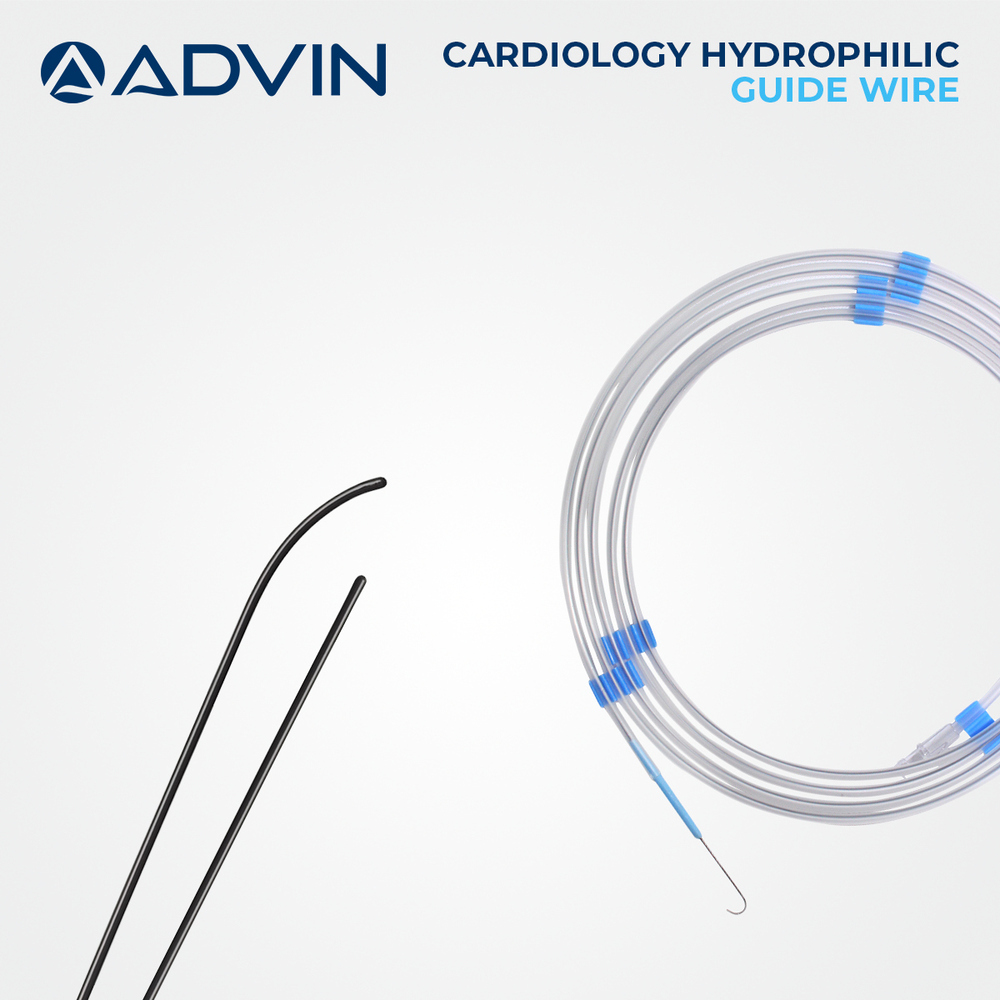
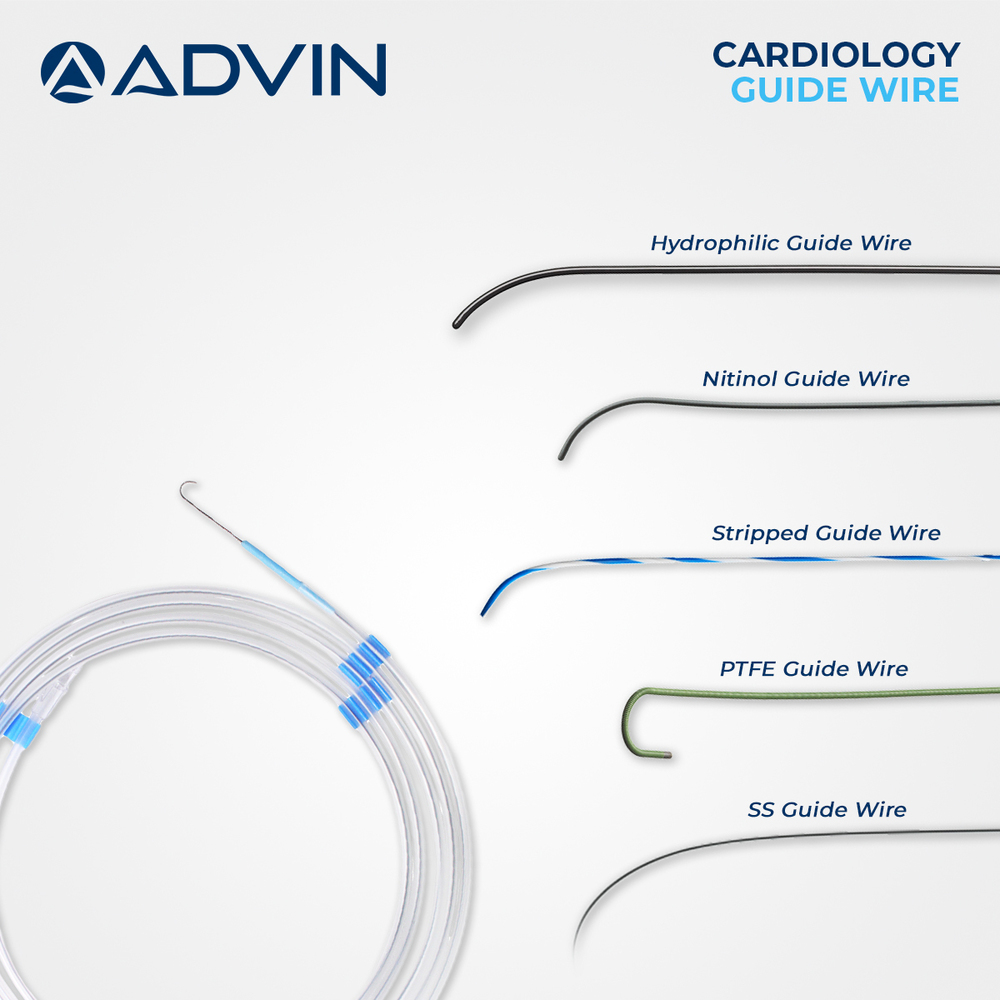
Advin Health Care Glide Guidewire is designed for superior navigation through complex and tortuous vascular anatomy. Its hydrophilic coating provides an ultra-smooth surface, reducing friction and enabling effortless advancement during diagnostic and interventional procedures.
Key Features
- Hydrophilic coating for ultra-smooth navigation
- Excellent flexibility and trackability
- Atraumatic soft tip for vessel safety
- Ideal for complex and tortuous vessels
Specifications
- Type: Glide Guidewire
- Material: Stainless steel / nitinol core
- Coating: Hydrophilic
- Sizes: Multiple diameters and lengths available
- Sterilization: EO Sterilized
- Usage: Single-use / Disposable
Certifications
CE, ISO 13485, ISO 9001 Certified
Product Keywords
Glide Guidewire, Hydrophilic Guidewire, Angiography Guidewire, Interventional Guidewire, Vascular Guidewire
Glide, , , ,
Gua de alambre deslizante, gua de alambre hidroflica, gua de alambre para angiografa, gua de alambre para intervencin, gua de alambre vascular
Fil guide glissant, fil guide hydrophile, fil guide d'angiographie, fil guide interventionnel, fil guide vasculaire
Advanced Navigation and PrecisionThe Advin Glide Guidewire incorporates a hydrophilic coating and PTFE-coated stainless steel core, promoting smooth and controlled movement through vascular pathways. Its flexible tip and kink-resistant construction make it ideal for challenging anatomy, offering high maneuverability and guidance accuracy during critical procedures.
Versatile Sizing for Multiple ApplicationsAvailable in a range of diameters from 0.018 to 0.038 inches and customized lengths (commonly 150 cm, 180 cm, or 260 cm), the Advin Glide Guidewire suits various interventional needs. Both straight and J-tip configurations allow clinicians to select the optimal guidewire for angiography, PTCA, or other vascular interventions.
Safety and Compliance AssuredThe guidewire is fully biocompatible, sterile, and designed for single use, minimizing infection risk and ensuring patient safety. Its radiopaque tip enhances visibility under fluoroscopy, supporting precise placement and effective operation in demanding interventional procedures.
FAQ's of Advin Glide Guidewire:
Q: How is the Advin Glide Guidewire used in medical procedures?
A: The Advin Glide Guidewire is employed to guide catheters or other medical devices during angiography, PTCA, and various intravascular interventions. Its hydrophilic coating allows for seamless passage through vascular structures, while the radiopaque tip provides clear visibility under fluoroscopy for accurate positioning.
Q: What tip options and diameters are available for this guidewire?
A: This guidewire is available with either a straight or J-tip, offering flexibility for different procedural requirements. You can choose from multiple diameters, including 0.018, 0.025, 0.032, 0.035, and 0.038 inches, as well as custom lengths to best suit each application.
Q: When should a hydrophilic-coated guidewire be chosen?
A: A hydrophilic-coated guidewire is ideal when procedures require smooth navigation through tortuous or narrow vascular pathways. The Advin Glide Guidewire's hydrophilic surface reduces friction, enhancing trackability and minimizing vessel trauma, particularly in complex cardiovascular or peripheral cases.
Q: Where should the guidewire be stored before use?
A: To maintain sterility and product integrity, the guidewire should be kept in its original sterile pouch and stored in a cool, dry environment away from direct sunlight. Proper storage ensures the device remains ready and safe for clinical use.
Q: What is the benefit of the radiopaque tip in the Advin Glide Guidewire?
A: The radiopaque tip enhances the guidewire's visibility under fluoroscopic imaging, allowing clinicians to accurately track and position the wire during procedures. This feature supports precise navigation, reduces procedural risks, and improves overall safety.
Q: Is the Advin Glide Guidewire intended for single or multiple use?
A: This guidewire is designed for single use only. Discarding it after each procedure minimizes the risk of cross-contamination or infection and upholds stringent patient safety standards.

 Send Inquiry



 Send Inquiry

 Send Inquiry
 English
 Spanish
 French
 German
 Italian
 Chinese (Simplified)
 Japanese
 Korean
 Arabic
 Portuguese