About Austin Moore Hip Prosthesis
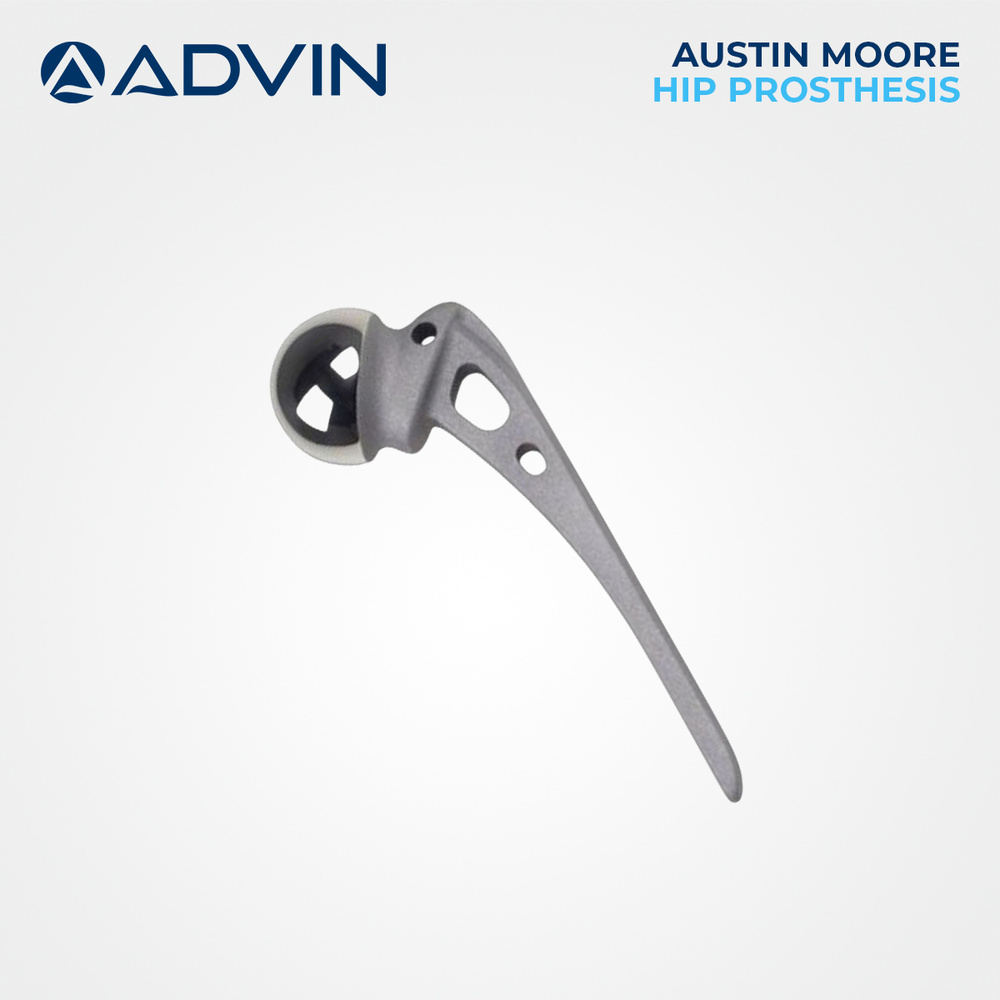
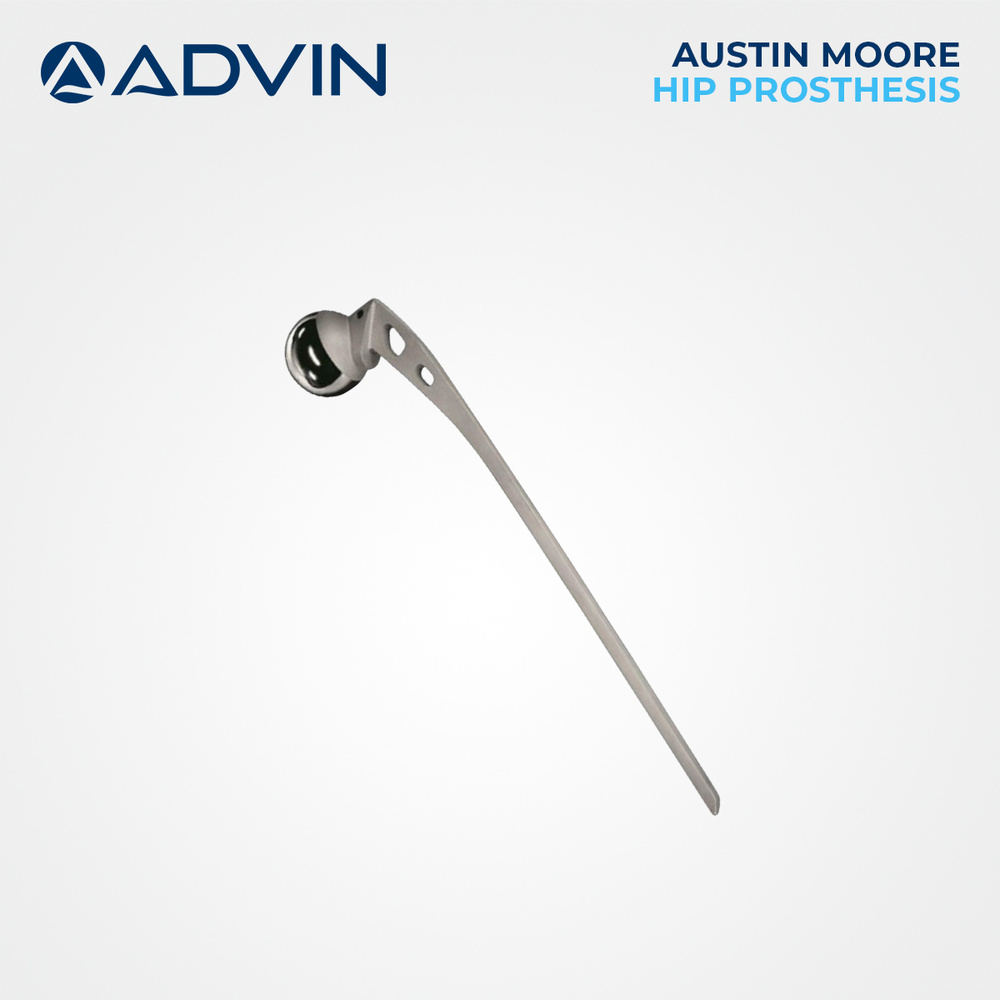
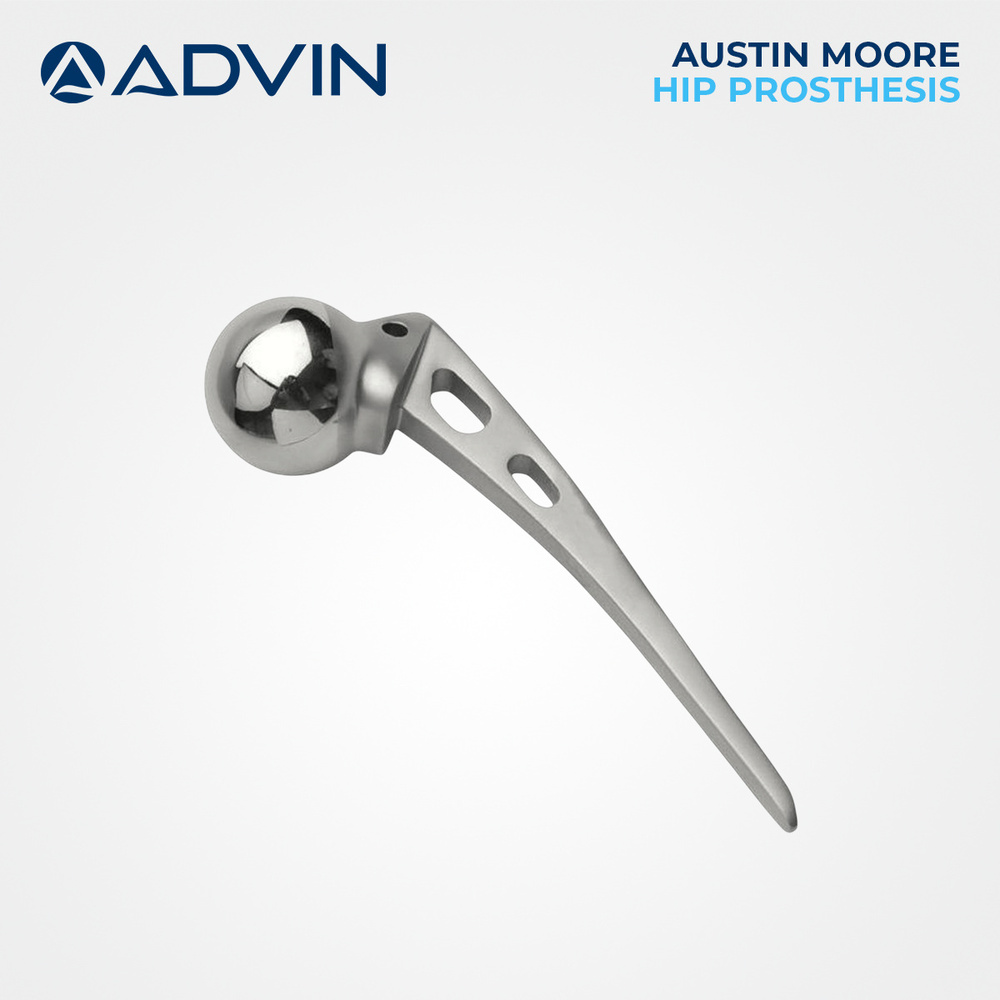
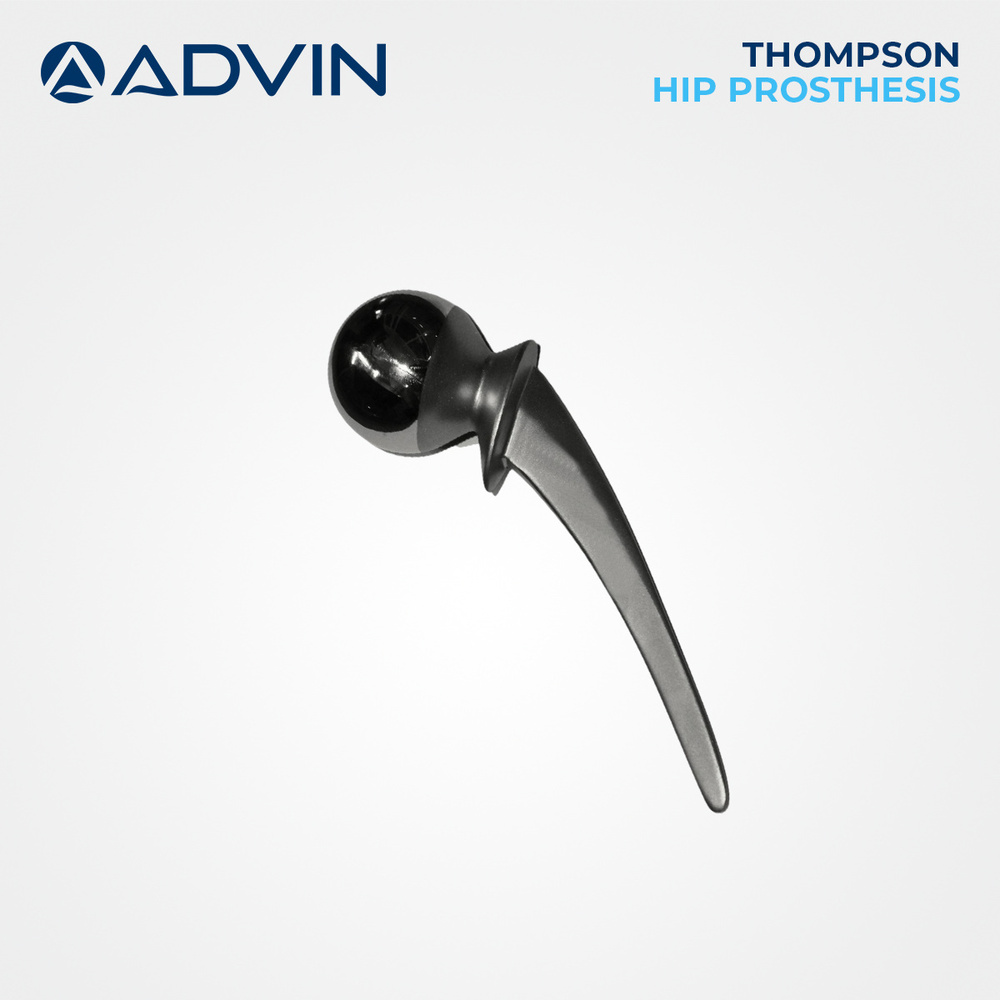
The Austin Moore Hip Prosthesis from Advin Health Care is specially developed for hemiarthroplasty procedures in trauma and orthopedic surgeries. It is designed to replace the damaged femoral head while preserving the acetabulum, making it suitable for elderly patients with femoral neck fractures. The prosthesis ensures secure fixation and stability, supporting patient mobility and faster recovery. Manufactured with precision and durable materials, it offers long-term performance and safety in surgical applications.
Advanced Features:
- Designed for partial hip replacement (hemiarthroplasty)
- Provides stable fixation of the femoral head
- Made from high-quality biocompatible material
- Supports patient mobility and recovery
- Reliable and durable for long-term use
Versatile Sizing and Fit OptionsWith head diameters spanning 35mm to 51mm and stem lengths in short, medium, and long, the Austin Moore Hip Prosthesis accommodates diverse patient anatomies. Surgeons can select collar or collarless variants to optimize stability and match surgical requirements. Each prosthesis is anatomically contoured for a secure, high-precision fit during femoral head replacement procedures.
Precise and Safe ImplantationThe prosthesis incorporates radiopaque markers for clear visualization during surgery via X-ray. Made from medical-grade stainless steel or alloys, it is highly polished to minimize wear and encourage smooth articulation. Sterilized and blister-packed, it is immediately ready for use in operating rooms, supporting prompt response in trauma cases.
Reliable, Single-Use Hip Replacement SolutionDesigned for single-use and manual operation, this prosthesis ensures sterility and eliminates cross-contamination risks. Its corrosion-resistant, biocompatible properties extend device longevity within surgical applications. Lightweight and portable, it is suitable for use in hospitals, clinics, or field healthcare settings, aiding orthopaedic teams across India and globally.
FAQs of Austin Moore Hip Prosthesis:
Q: How is the Austin Moore Hip Prosthesis used during hip arthroplasty?
A: The Austin Moore Hip Prosthesis is used to replace the femoral head in partial hip replacement surgeries, often following fractures or osteonecrosis. It is implanted manually by an orthopedic surgeon using standard surgical techniques, with sizing and collar options selected for optimal fit.
Q: What benefits does the highly polished surface of the prosthesis provide?
A: A highly polished surface reduces friction and wear within the joint, lowers the risk of tissue irritation, and promotes smooth movement after implantation, supporting patient mobility and prosthesis longevity.
Q: When is it appropriate to use a collar versus a collarless prosthesis design?
A: A prosthesis with a collar is chosen when additional support or stabilization at the femoral neck is needed, whereas the collarless option is used where more flexibility is required for anatomical variations or specific fracture patterns.
Q: Where should the Austin Moore Hip Prosthesis be stored before use?
A: Store the prosthesis in a sterile, dry environment, preferably in its original blister pack packaging, to maintain sterility and ensure readiness for immediate surgical application.
Q: What process is followed to ensure accurate fit and compatibility during surgery?
A: Surgeons select from various head diameters and stem lengths, matching patient anatomy through preoperative planning and intraoperative measurements. Radiopaque markers aid in confirming implant position under X-ray during the procedure.
Q: How should the prosthesis be handled to maintain sterility and safety?
A: The prosthesis should only be opened immediately prior to use by sterile surgical staff. It is designed as a single-use, disposable device, helping prevent infection and cross-contamination.
Q: What are the main advantages of using this prosthesis in elderly trauma patients?
A: Its biocompatible, corrosion-resistant design ensures safe, reliable femoral head replacement. With multiple size options and compatibility with conventional surgical techniques, it offers flexibility, rapid deployment, and a high degree of fit, which benefits outcomes in elderly trauma cases.

 Send Inquiry



 Send Inquiry

 Send Inquiry
 English
 Spanish
 French
 German
 Italian
 Chinese (Simplified)
 Japanese
 Korean
 Arabic
 Portuguese