About Cardiology Guide Wire
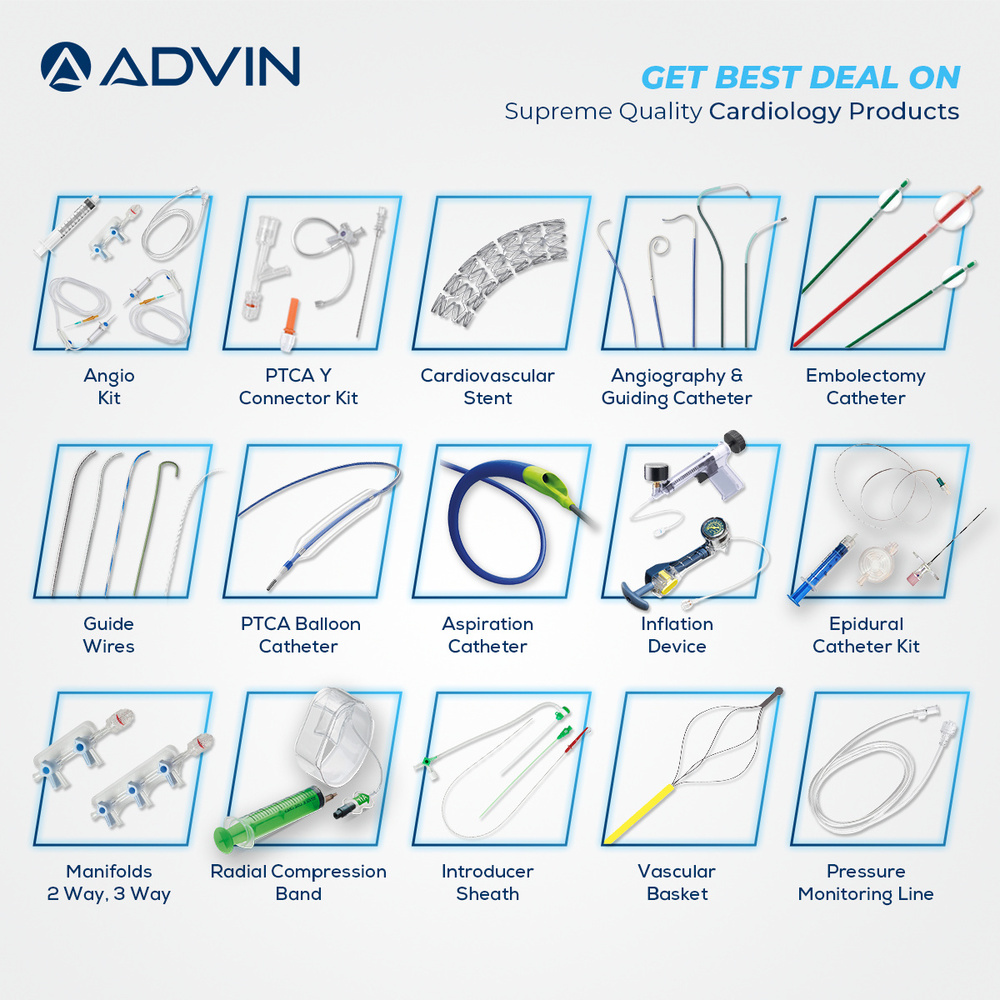
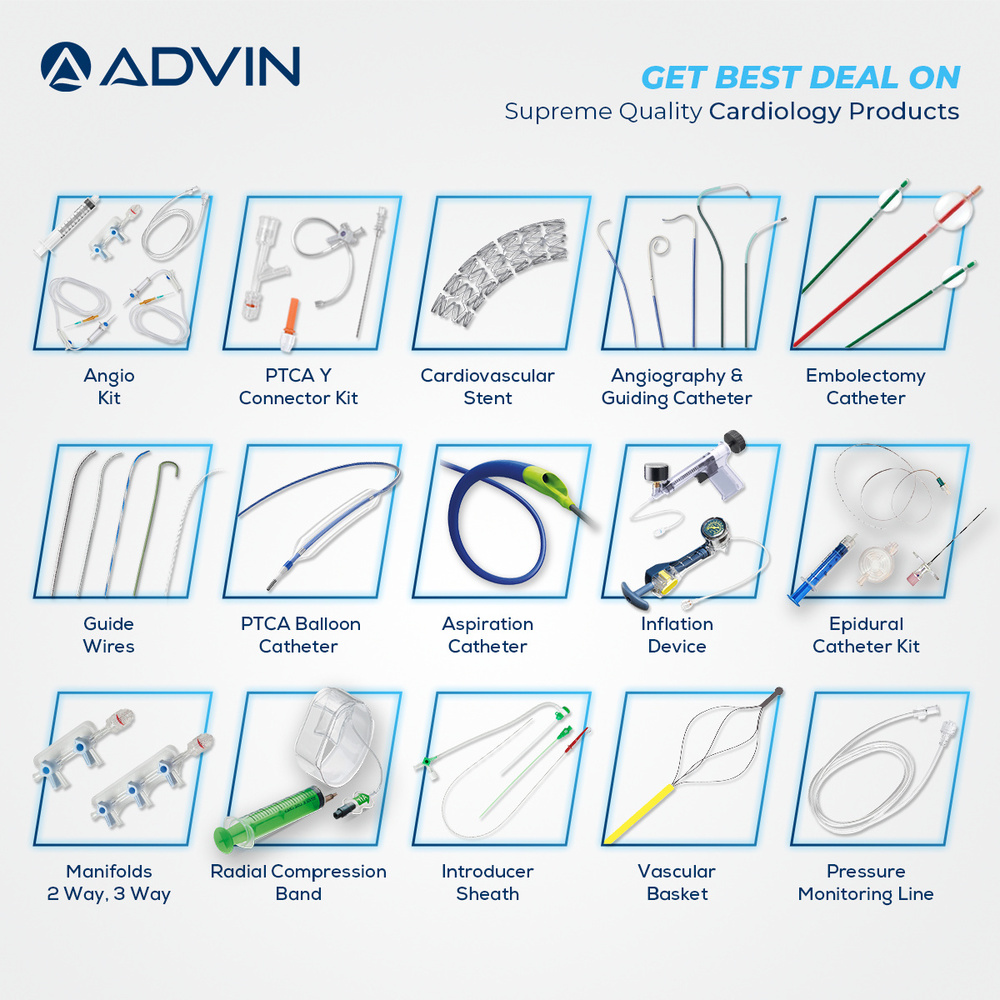
Advin Health Care is a trusted manufacturer of Cardiology Guide Wires designed to meet international quality standards. These guide wires are used in interventional cardiology procedures to navigate vascular pathways and support the delivery of catheters and other devices.
Key Features - Smooth surface for easy vascular navigation
- Excellent flexibility for complex anatomy
- Precise torque control for accurate positioning
- Kink-resistant and durable construction
Certifications
We are certified with CE, ISO 13485, and ISO 9001 standards.
Product Keywords
Cardiology Guide Wire, Coronary Guide Wire, PTCA Guide Wire, Angiography Guide Wire, Interventional Guide Wire, Disposable Guide Wire
, , , , ,
Gua de cardiologa, gua coronaria, gua para PTCA, gua para angiografa, gua intervencionista, gua desechable
Fil guide de cardiologie, fil guide coronaire, fil guide pour angioplastie coronaire transluminale percutane (ACTP), fil guide pour angiographie, fil guide interventionnel, fil guide usage unique
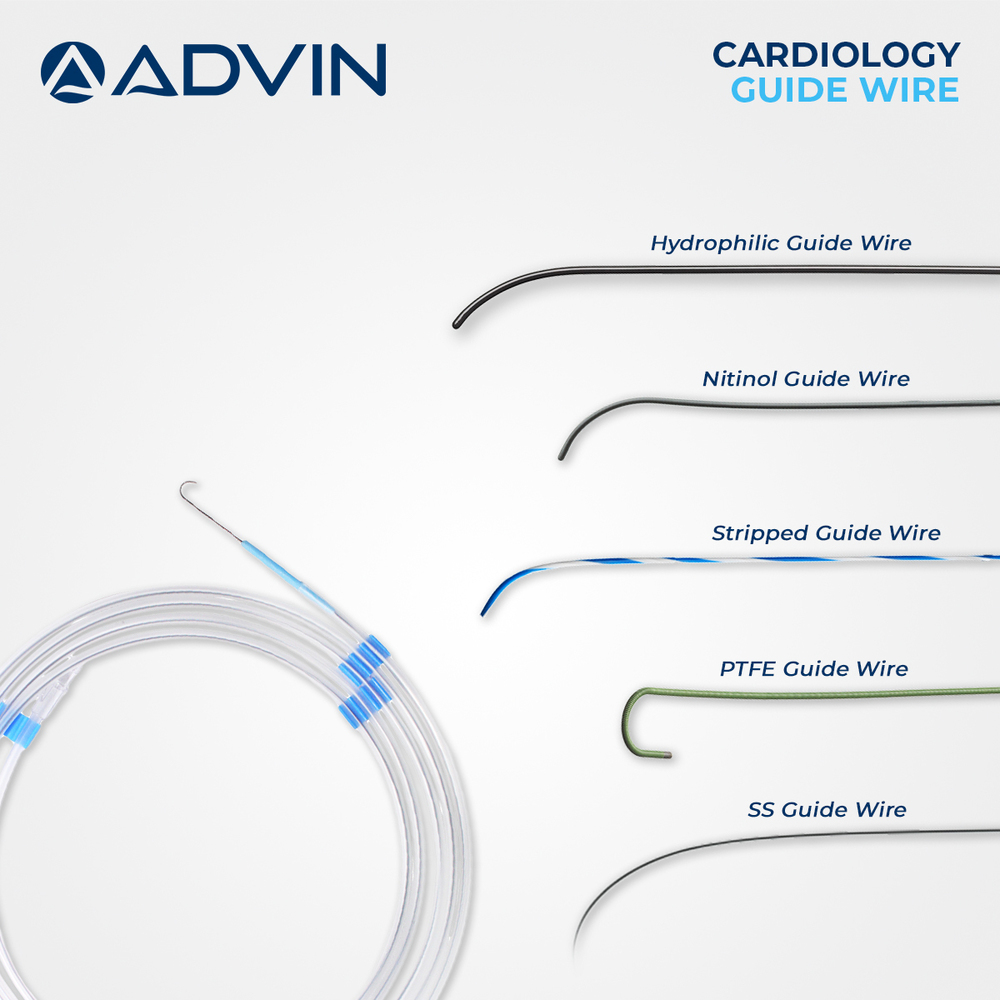
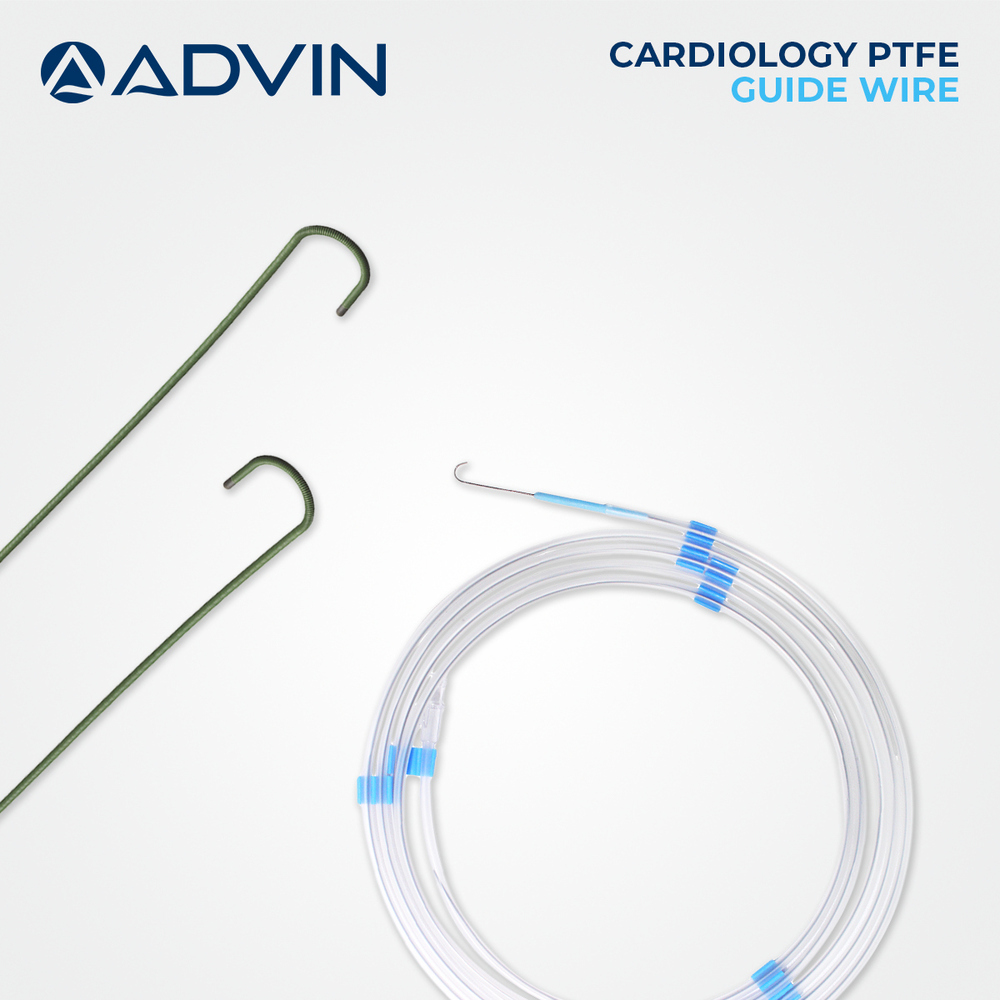
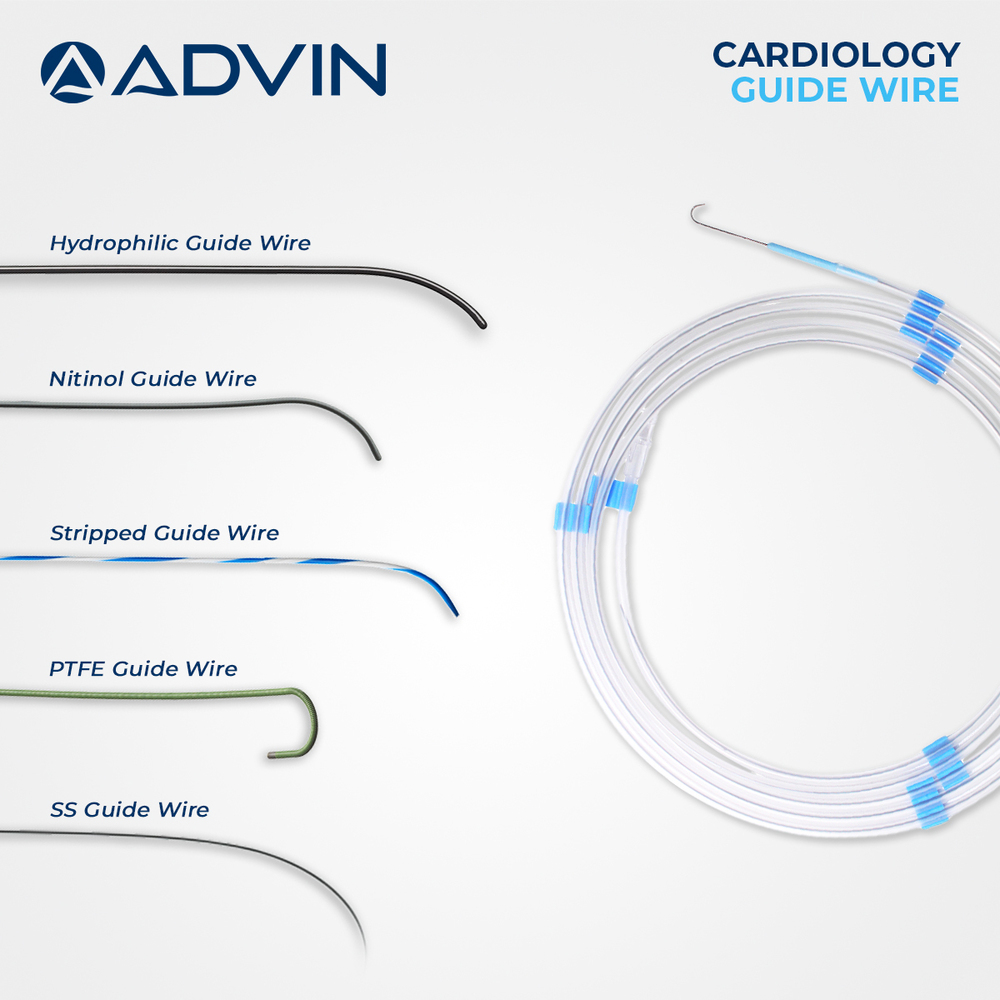
Precision and Flexibility for Optimal PerformanceOur cardiology guide wires offer tailored flexibility and tip shapes-Straight, Angled, or J-Tip-to navigate complex vascular anatomy with confidence. Optimized for both manual and assisted operation, each wire supports high-precision interventions. Hydrophilic and PTFE coatings minimize friction, ensuring smoother vessel passage and compatibility with a full range of interventional catheters and devices.
Advanced Visibility and SafetyFeaturing a radiopaque marker at the distal end, the guide wire enhances real-time fluoroscopic visualization, supporting safe and efficient navigation during cardiovascular interventions. The sterile, single-use packaging maximizes patient safety, while the advanced manufacturing process ensures consistency and reliability in every procedure.
Versatile Applications and StorageDesigned for cardiovascular access, our guide wires are ideal for catheterization and angioplasty settings in diverse healthcare environments. Their lightweight and portable build offer convenience for interventional cardiologists, while sealed packaging delivers a shelf life of up to five years. Store in a cool, dry place to maintain optimal performance throughout the product's shelf life.
FAQ's of Cardiology Guide Wire:
Q: How do the different tip designs (Straight, Angled, J-Tip) benefit clinical procedures?
A: Each tip design is tailored to specific clinical requirements. Straight tips allow direct navigation, Angled tips facilitate access to branch vessels, and J-Tip designs aid in minimizing vessel trauma and support safer passage through tortuous anatomy.
Q: What surface coatings are available, and how do they improve vessel navigation?
A: Guide wires are available with hydrophilic or PTFE surface coatings. Hydrophilic coatings significantly reduce friction for smoother vessel navigation, especially in challenging anatomies. PTFE coatings also ensure a slick surface, easing catheter advancement during procedures.
Q: When should I use a hydrophilic versus a PTFE-coated guide wire?
A: Hydrophilic guide wires are ideal for highly tortuous or narrow vessels where smooth navigation is critical. PTFE-coated wires are generally preferred for routine vessel access where a balance of smoothness and support is required.
Q: Where can the cardiology guide wire be used?
A: These guide wires are suitable for hospitals, clinics, and interventional cardiology centers-anywhere cardiovascular access, catheterization, or angioplasty is performed. They are compatible with a wide range of interventional devices and catheters.
Q: What is the process for handling and using the guide wire safely?
A: The guide wire comes sterilized and ready for immediate, single-use application. Carefully remove from packaging using aseptic technique, select the appropriate tip and coating, and advance under fluoroscopic guidance. Dispose of after use per institutional protocols.
Q: What are the advantages of the radiopaque marker at the distal end?
A: The radiopaque marker dramatically enhances real-time fluoroscopic visibility, allowing clinicians to track the wire tip precisely. This feature reduces the risk of vessel injury and aids accurate positioning during cardiovascular interventions.
Q: How should the guide wire be stored to maintain its quality?
A: Store the guide wire in its sealed, sterile packaging in a cool, dry place, protected from direct sunlight. Proper storage preserves its integrity, ensuring reliable performance throughout its five-year shelf life.

 Send Inquiry





 Send Inquiry


 Send Inquiry
 English
 Spanish
 French
 German
 Italian
 Chinese (Simplified)
 Japanese
 Korean
 Arabic
 Portuguese
