About Cath Lab Diagnostic Catheters
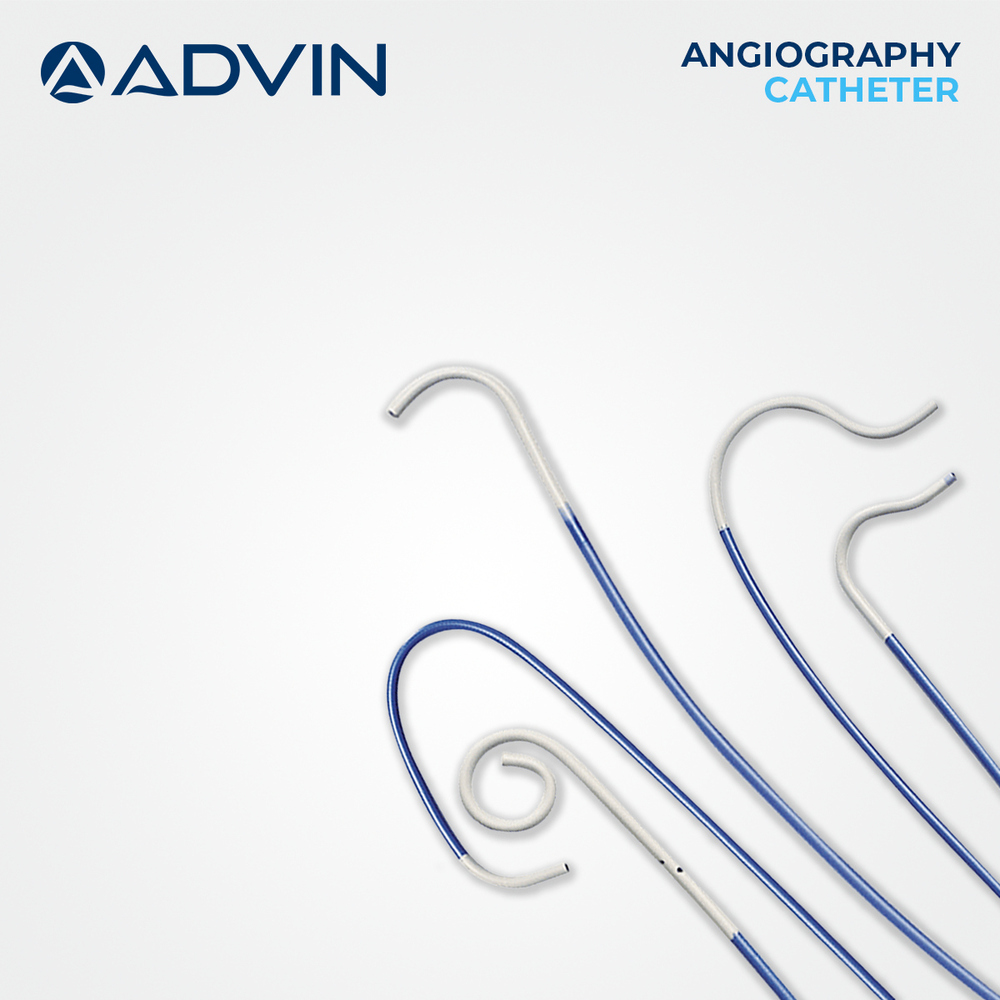
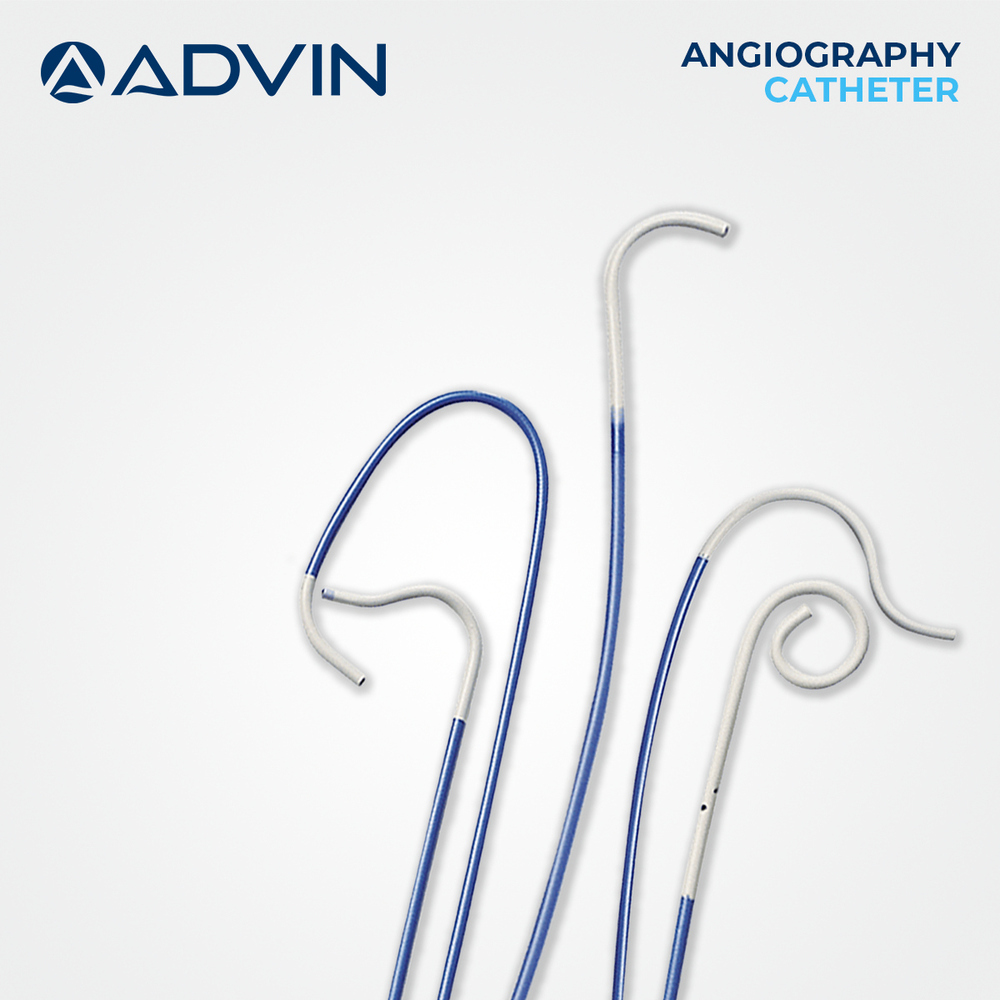
Advin Health Care is a trusted manufacturer of Cath Lab Diagnostic Catheters designed to meet international quality standards. These catheters are used in catheterization laboratories for diagnostic angiography procedures, enabling clear visualization of coronary and vascular anatomy to support accurate clinical assessment and treatment planning.
Key Features
Designed for precise diagnostic imaging of coronary and vascular structures
Optimized lumen for smooth contrast media injection
Flexible construction for navigating complex vascular pathways
Atraumatic tip to minimize vessel trauma
Radiopaque markers for enhanced visibility under fluoroscopy
Certifications
We are certified with CE, ISO 13485, and ISO 9001 standards.
Product Keywords
Cath Lab Diagnostic Catheter, Angiography Catheter, Coronary Diagnostic Catheter, Vascular Diagnostic Catheter, Interventional Cardiology Diagnostic Device, Imaging Catheter
, , , , , .
Catter de diagnstico para laboratorio de cateterismo, catter de angiografa, catter de diagnstico coronario, catter de diagnstico vascular, dispositivo de diagnstico de cardiologa intervencionista, catter de imagen.
Cathter de diagnostic pour salle de cathtrisme, cathter d'angiographie, cathter de diagnostic coronaire, cathter de diagnostic vasculaire, dispositif de diagnostic en cardiologie interventionnelle, cathter d'imagerie
Advanced Design for Diagnostic ExcellenceCath Lab Diagnostic Catheters are engineered for optimal navigation and vessel profiling, featuring multiple curve styles and hydrophilic, kink-resistant construction. Radiopaque markings ensure easy visibility under imaging, enhancing procedural accuracy. Compatible with standard Luer connectors, these catheters support a wide range of diagnostic and interventional cardiology applications.
Safe and Sterile for Patient ProtectionEach catheter is ethylene oxide sterilized and sealed in a sterile blister pack to reduce cross-contamination risks. Our catheters are latex-free and comply with stringent international standards, ensuring safety for individuals with latex sensitivity and providing peace of mind for healthcare professionals.
Versatile Use Across Patient PopulationsWith options for both adults and pediatric patients, these catheters are available in various French sizes and tip styles to accommodate individual anatomical requirements. The smooth, non-thrombogenic surface and soft tips ensure gentle vessel access, minimizing trauma during coronary and vascular procedures.
FAQ's of Cath Lab Diagnostic Catheters:
Q: How should Cath Lab Diagnostic Catheters be stored to maintain their sterility?
A: They should be kept in a cool, dry environment away from direct sunlight, within their original sterile blister packaging, until ready for use. This helps preserve their integrity and extends their shelf life to 3-5 years.
Q: What sterilization process ensures these catheters are safe for each procedure?
A: The catheters undergo Ethylene Oxide (EO) sterilization, a process proven to effectively eliminate microorganisms without affecting the catheter's physical properties, ensuring a sterile and safe device for every use.
Q: When is it appropriate to use different tip styles such as Judkins or Amplatz?
A: Tip styles like Judkins or Amplatz are selected based on the specific vascular anatomy and clinical requirements. Judkins catheters are commonly used for coronary interventions, while Amplatz shapes facilitate access in more challenging vessel anatomies.
Q: Where can these catheters be effectively utilized?
A: These diagnostic catheters are ideal for hospital cath labs, diagnostic centers, and interventional cardiology units, suitable for adult and pediatric vascular access and angiography procedures.
Q: What are the main benefits of the latex-free and smooth surface features?
A: The latex-free construction eliminates allergic reactions, while the smooth, non-thrombogenic surface reduces the risk of blood clot formation, ensuring safer and gentler vessel navigation.
Q: How does the radiopaque marking enhance catheter use during procedures?
A: Radiopaque markings allow for clear visualization under fluoroscopy or X-ray, enabling precise positioning and movement tracking of the catheter during diagnostic imaging and interventions.
Q: What is the recommended process for catheter insertion?
A: Insertion is performed percutaneously using an introducer sheath, following standard sterile technique. The catheter is advanced manually, utilizing its flexible, kink-resistant design to reach the desired vessel for diagnostic imaging or contrast delivery.

 Send Inquiry





 Send Inquiry

 Send Inquiry
 English
 Spanish
 French
 German
 Italian
 Chinese (Simplified)
 Japanese
 Korean
 Arabic
 Portuguese