About DCS Locking Plates DCP Hole (95 degree)
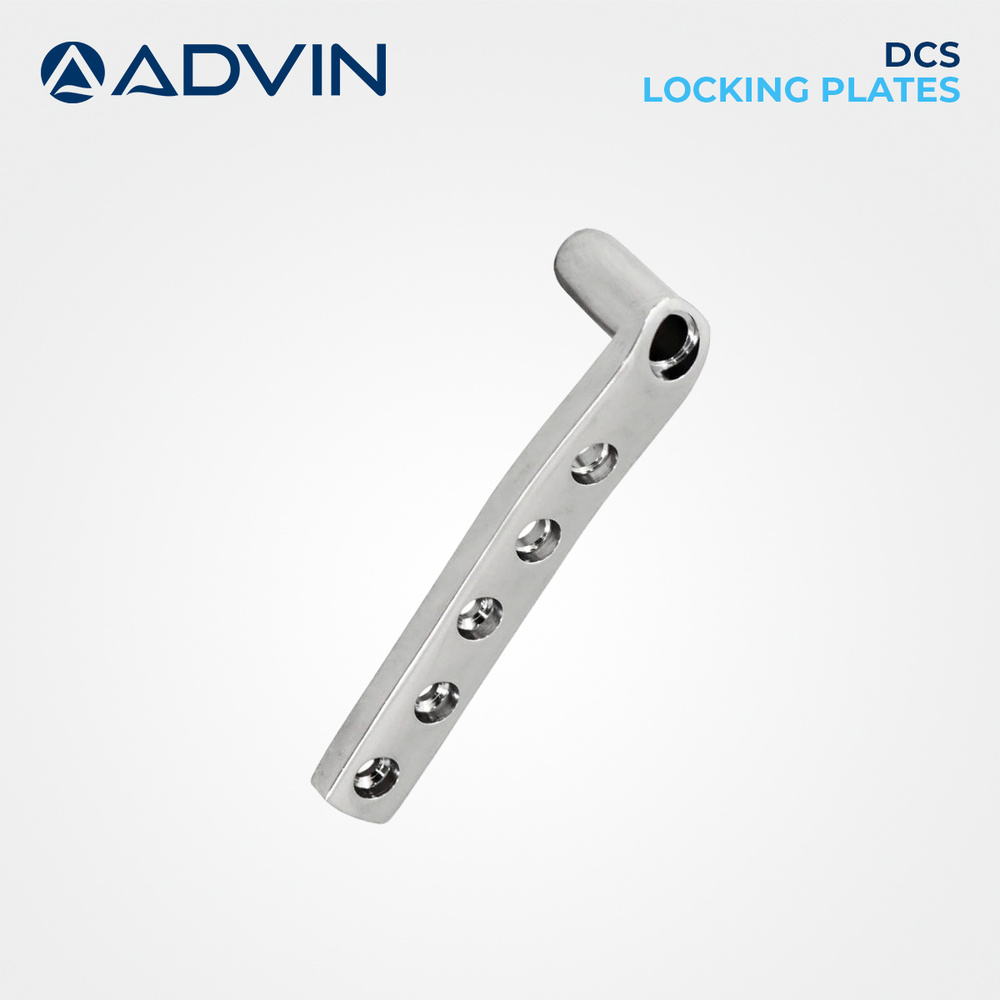
The DSC Locking Plate DCP Hole (95) is an advanced orthopedic implant used in trauma surgery for the fixation of distal femoral and other complex fractures. Its locking screw mechanism provides superior stability compared to conventional plates, reducing the risk of implant loosening. The 95 design ensures optimal anatomical fixation, while the DCP holes allow for versatile application during surgical procedures. Advin Health Care manufactures this implant with high-quality materials, offering surgeons a reliable solution for effective fracture management and patient recovery.
Advanced Features:
-
95 angled design for distal femoral fracture fixation
-
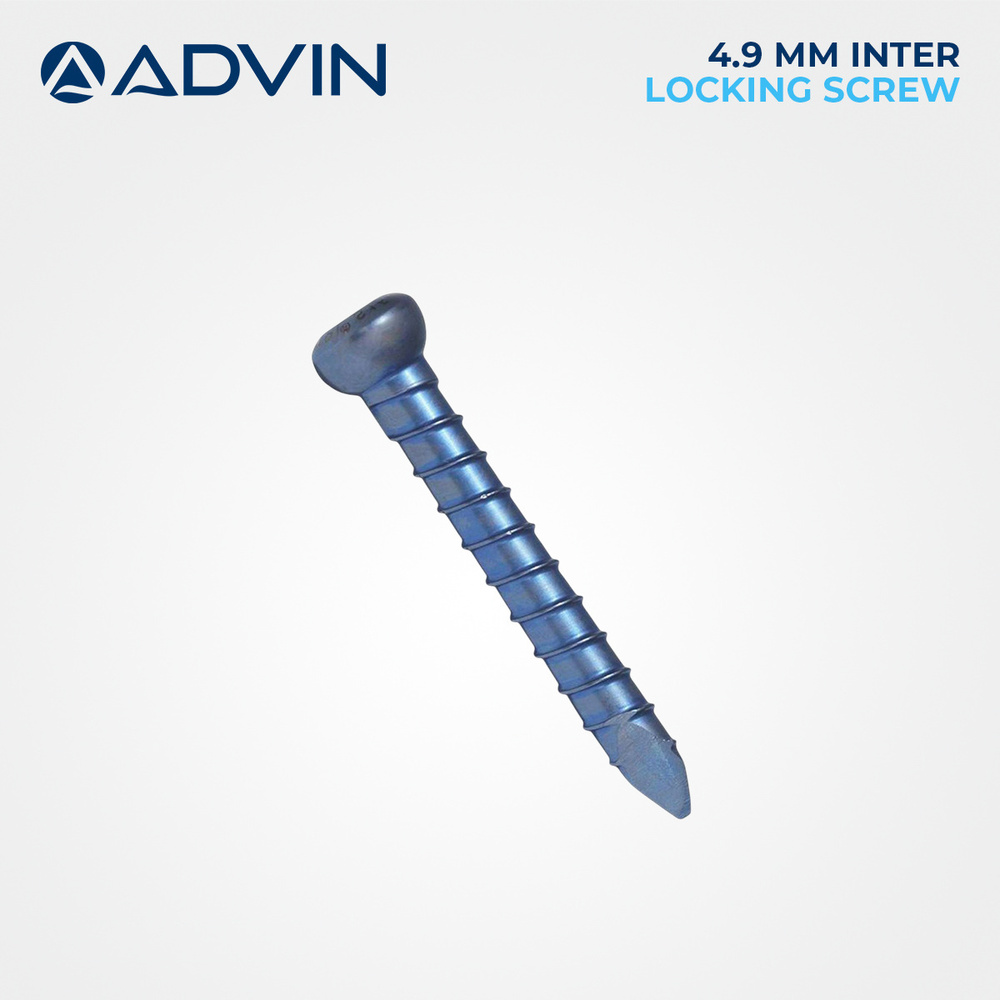
Locking mechanism provides enhanced stability and strength
-
DCP holes allow versatile surgical application
-
Designed for precise alignment and reliable performance
Advanced Design for Complex Femoral FracturesThe DCS Locking Plates are meticulously engineered for the treatment of distal femoral fractures, including complex metaphyseal and intraarticular cases. With a 95-degree hole configuration, these plates support optimal angular stability and allow orthopedic surgeons to achieve accurate bone alignment. Pre-contoured yet bendable, they ensure conformity to individual patient anatomy, streamlining the intraoperative process.
Unparalleled Compatibility and Ease of UseAccepting both locking and cortical bone screws, the plates offer versatility during orthopedic surgeries. They are easy to handle and insert, reducing procedure complexity. Offered in multiple sizes and hole counts, surgeons can select the ideal configuration for every case. The plates polished or satin surface enhances biocompatibility, while radiopaque properties assist in intraoperative imaging.
Quality Assurance and Patient SafetyThese DCS Locking Plates meet stringent international standards: CE Marked and ISO 13485 certified for medical devices. Each plate is individually packaged in sterile blister packs and can be either pre-sterilized or autoclavable, ensuring aseptic usage in operating rooms. Designed for single-use implantation, they promise reliability, safety, and long shelf-life when stored appropriately.
FAQs of DCS Locking Plates DCP Hole (95 degree):
Q: How do DCS Locking Plates with 95-degree DCP holes improve outcomes in distal femoral fractures?
A: These plates offer anatomical contouring and angular stability, which help maintain precise bone alignment. The 95-degree DCP holes enable secure screw placement, reducing the risk of fixation failure. Their compatibility with both locking and cortical screws further supports complex fracture management.
Q: What types of surgeries and fractures are these plates best suited for?
A: DCS Locking Plates are specifically designed for distal femoral fractures, including those with metaphyseal or intraarticular involvement. They are optimal for cases where stability and correct alignment are critical to patient recovery.
Q: When should a surgeon choose a pre-contoured or bendable DCS Locking Plate?
A: Surgeons should select a pre-contoured plate for standard anatomical shapes, ensuring a quicker fit. For unique or complex anatomies, the plates bendable design allows customized shaping during the procedure, enhancing surgical outcomes.
Q: Where are these plates manufactured and do they meet international quality standards?
A: These plates are manufactured in India by certified orthopedic manufacturers. They conform to international biocompatibility norms, are CE Marked, and comply with ISO 13485 standards for medical devices.
Q: What is the proper process for using these DCS Locking Plates during surgery?
A: The plate should be selected based on fracture location and size requirements. After exposure and reduction of the fracture, the plate is fitted, additional bending if needed is performed, and then secured using compatible locking or cortical screws. After verification via X-ray, the surgical site is closed following standard protocols.
Q: What are the storage and handling requirements for these plates before surgery?
A: Plates are supplied in sterile blister packs and should be stored in a dry, sterile environment. If not pre-sterilized, autoclaving is recommended before use. Proper storage ensures the plate remains contamination-free until implantation.
Q: What are the key benefits of using this type of surgical plate for internal fixation?
A: Key benefits include angular stability, anatomical contour, high biocompatibility, ease of handling, and compatibility with various screw types. The plates radiopaque nature assists in real-time imaging and positioning, supporting precise fracture stabilization.

 Send Inquiry



 Send Inquiry

 Send Inquiry
 English
 Spanish
 French
 German
 Italian
 Chinese (Simplified)
 Japanese
 Korean
 Arabic
 Portuguese