
Call: 07315121789
 Send Inquiry
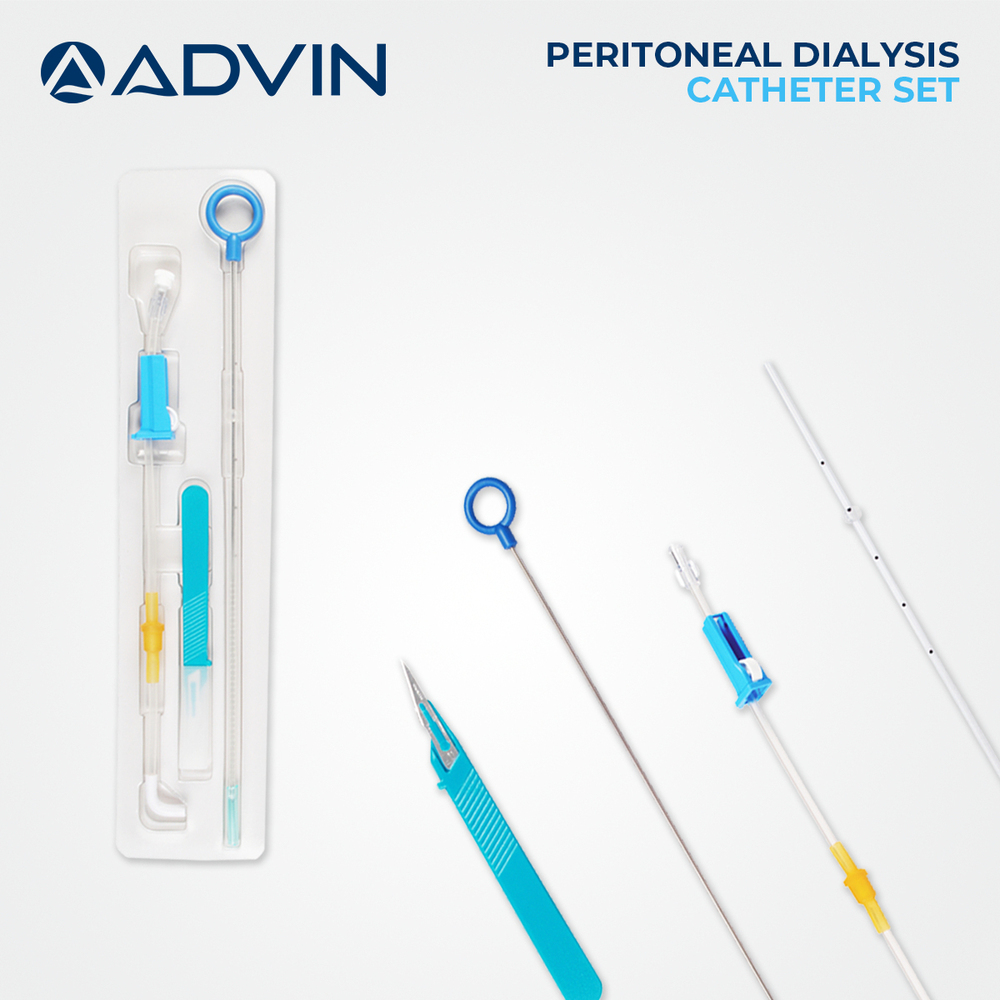
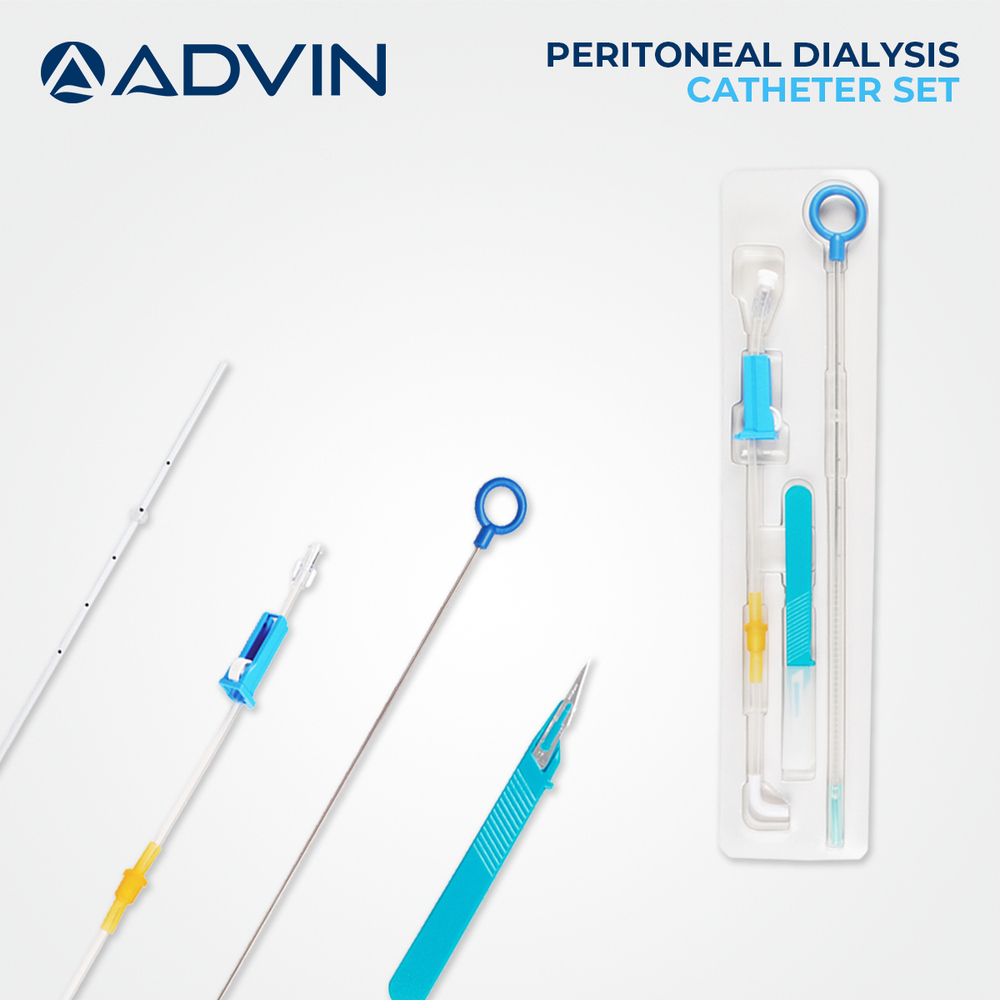
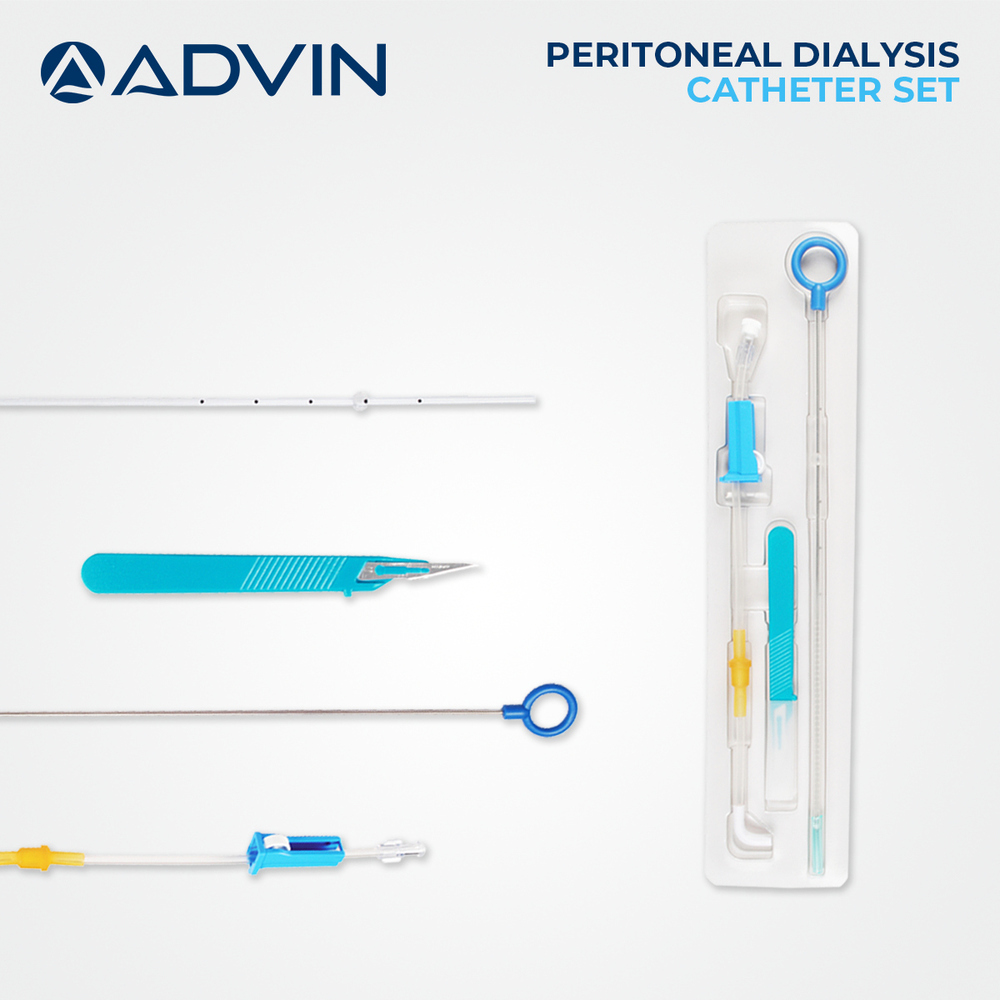
Advin Health Care provides high-quality Peritoneal Dialysis Catheters designed for continuous and intermittent peritoneal dialysis treatments. Manufactured from medical-grade silicone, the catheter offers excellent biocompatibility and minimizes infection risk. It features a smooth surface and soft distal end for atraumatic insertion and patient comfort. The catheter ensures effective drainage and infusion of dialysate solution, making it suitable for both acute and chronic dialysis management. With its proven reliability, Advin Health Careas Peritoneal Dialysis Catheter supports safe and efficient renal replacement therapy in hospitals and dialysis centers.
Advanced Features:
Made from medical-grade silicone material
Smooth surface for easy insertion
Soft tip minimizes tissue trauma
Suitable for acute and chronic dialysis
Available in straight and coiled designs
Radiopaque line for visibility under X-ray
Easy connection to standard dialysis systems
Also Known As:
Peritoneal Dialysis Catheter, PD Catheter, Tenckhoff Catheter, Abdominal Dialysis Catheter, Peritoneal Access Catheter
Catéter de diálisis peritoneal, Catéter de DP, Catéter de Tenckhoff, Catéter abdominal de diálisis, Catéter de acceso peritoneal
Cathéter de dialyse péritonéale, Cathéter de DP, Cathéter de Tenckhoff, Cathéter abdominal de dialyse, Cathéter d’accès péritonéal
قسطرة غسيل الكلى البريتوني، قسطرة الغسيل البريتوني، قسطرة تينكهوÙØŒ قسطرة البطن للغسيل الكلوي، قسطرة الوصول البريتوني
Катетер Ð´Ð»Ñ Ð¿ÐµÑ€Ð¸Ñ‚Ð¾Ð½ÐµÐ°Ð»ÑŒÐ½Ð¾Ð³Ð¾ диализа, ПД катетер, катетер Тенкхоффа, абдоминальный диализный катетер, катетер перитонеального доÑтупа
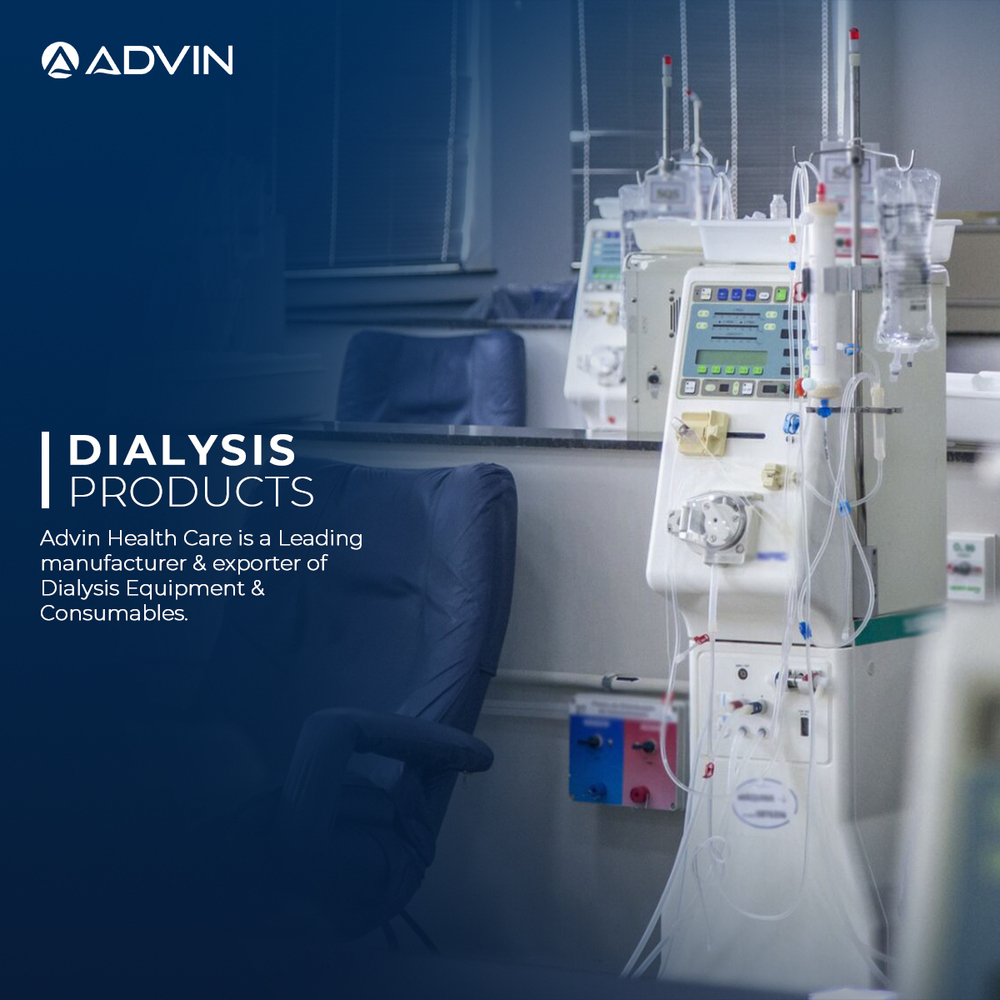

Price:
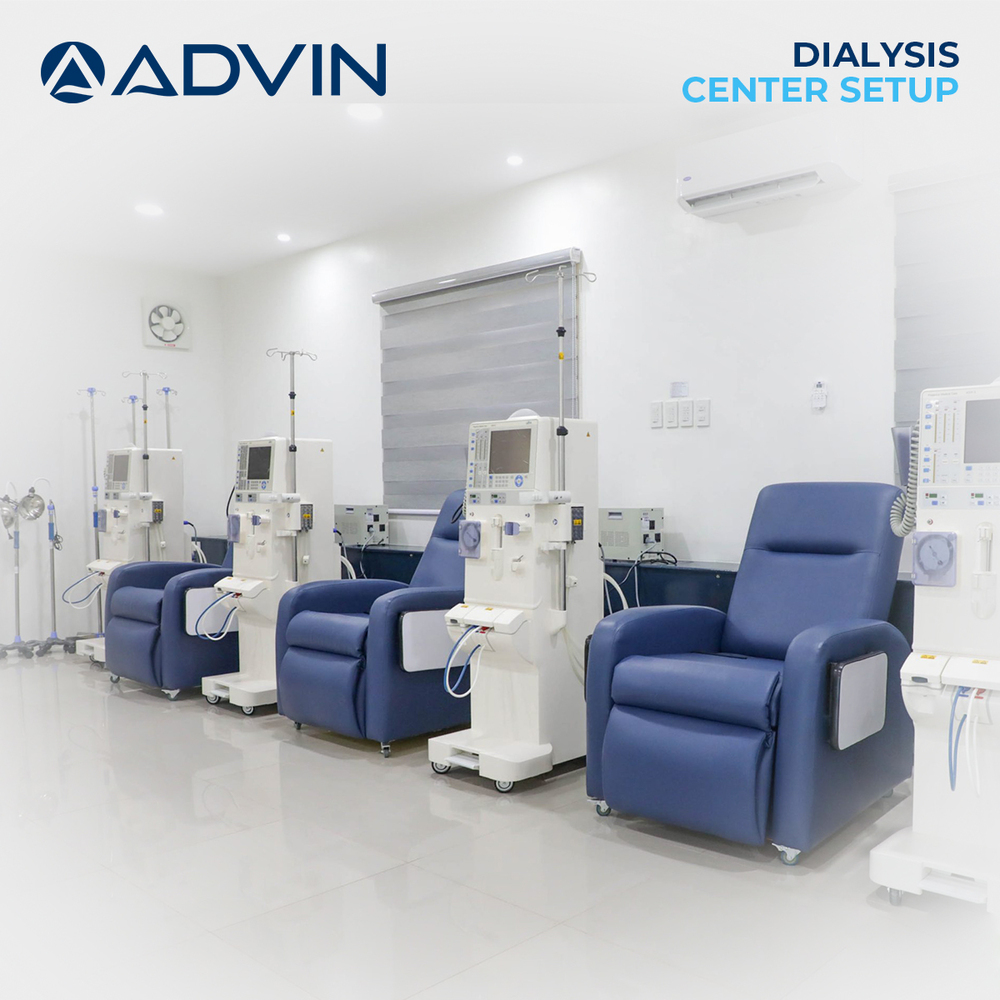
Price 15000 USD ($) / Set
Minimum Order Quantity : 1 Set
Real-Time Operation : Yes
Operating Type : Other, Electric, Semiautomatic & Manual Integration
Use : Hospital, Clinic, Dialysis Center
Wall Mounted : Other, Available for Selected Units (e.g., Panel Systems)
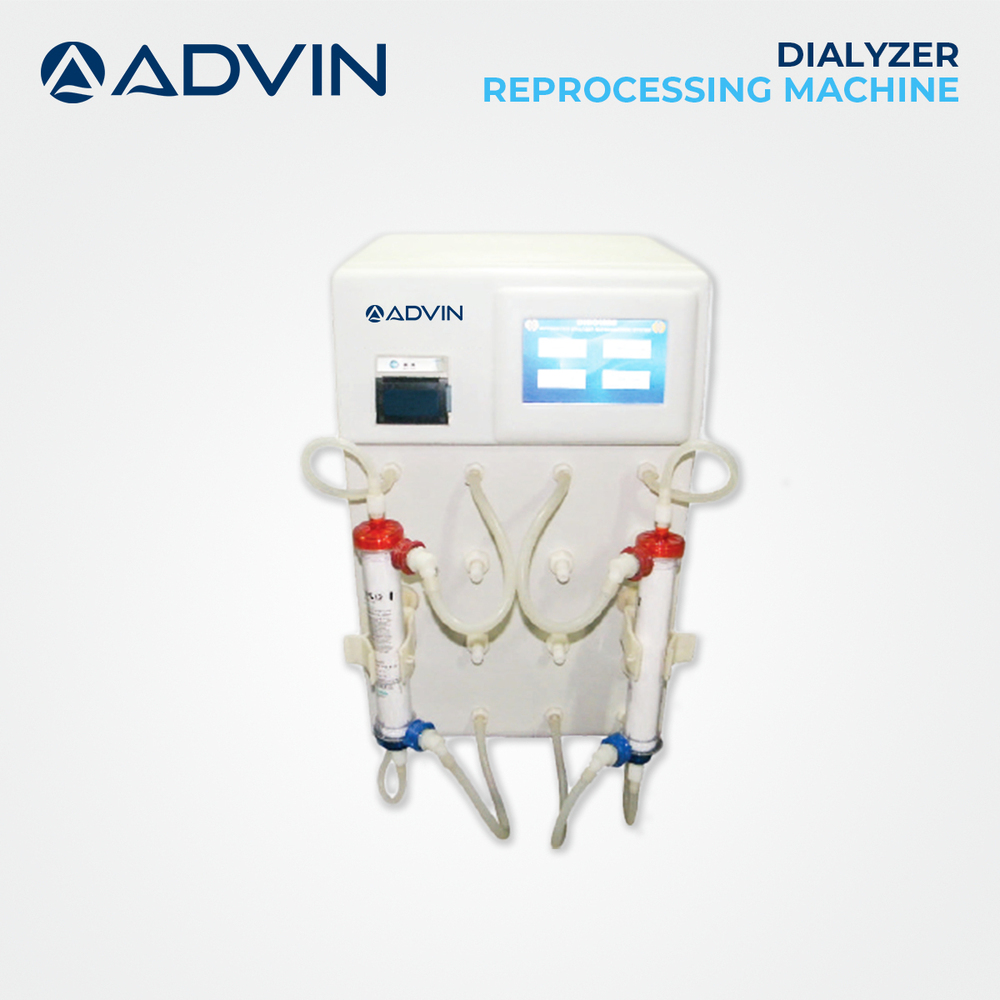
Price 4000 USD ($) / Piece
Minimum Order Quantity : 1 Piece
Real-Time Operation : Yes
Operating Type : SemiAutomatic
Use : Reprocessing dialysis dialyzers for reuse
Wall Mounted : No
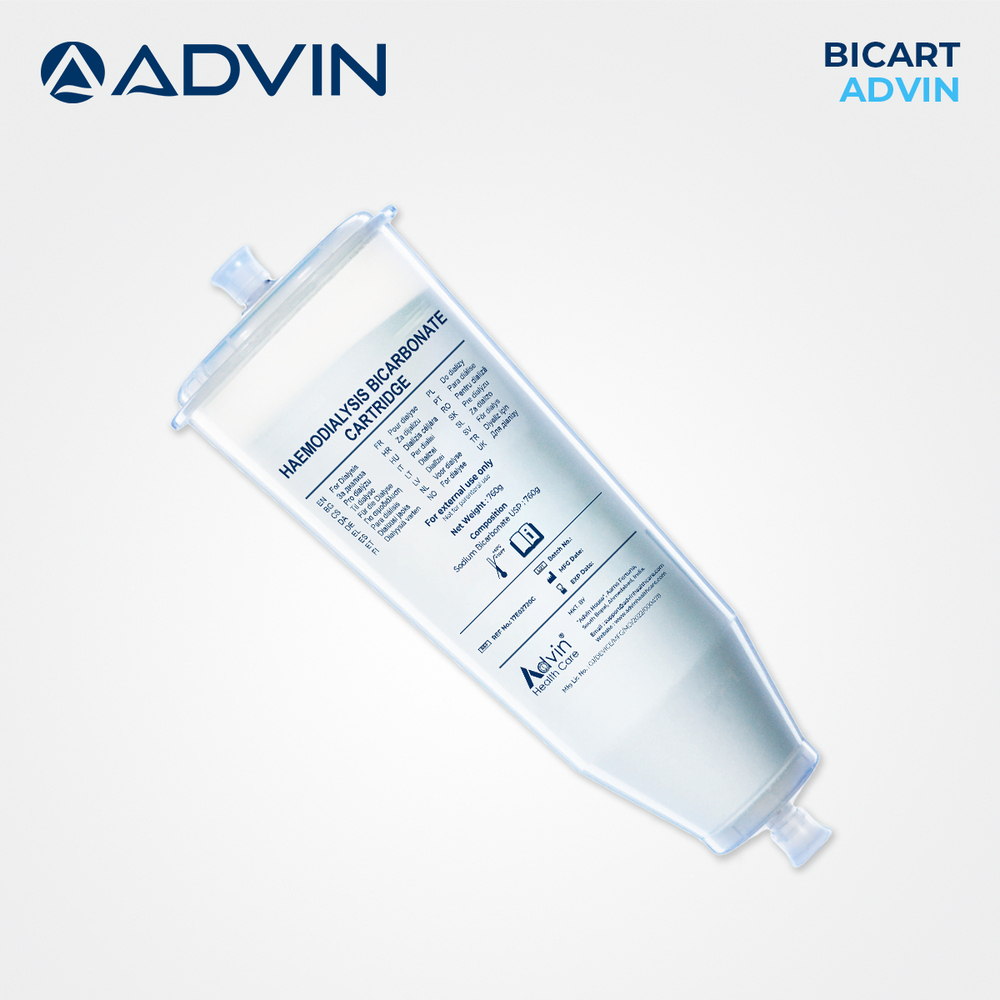
Price 3 USD ($) / Piece
Minimum Order Quantity : 1 Piece
Real-Time Operation : No
Operating Type : Other, Manual (Insert/Replace Cartridge)
Use : For dialysate preparation, water treatment, and clinical applications
Wall Mounted : No
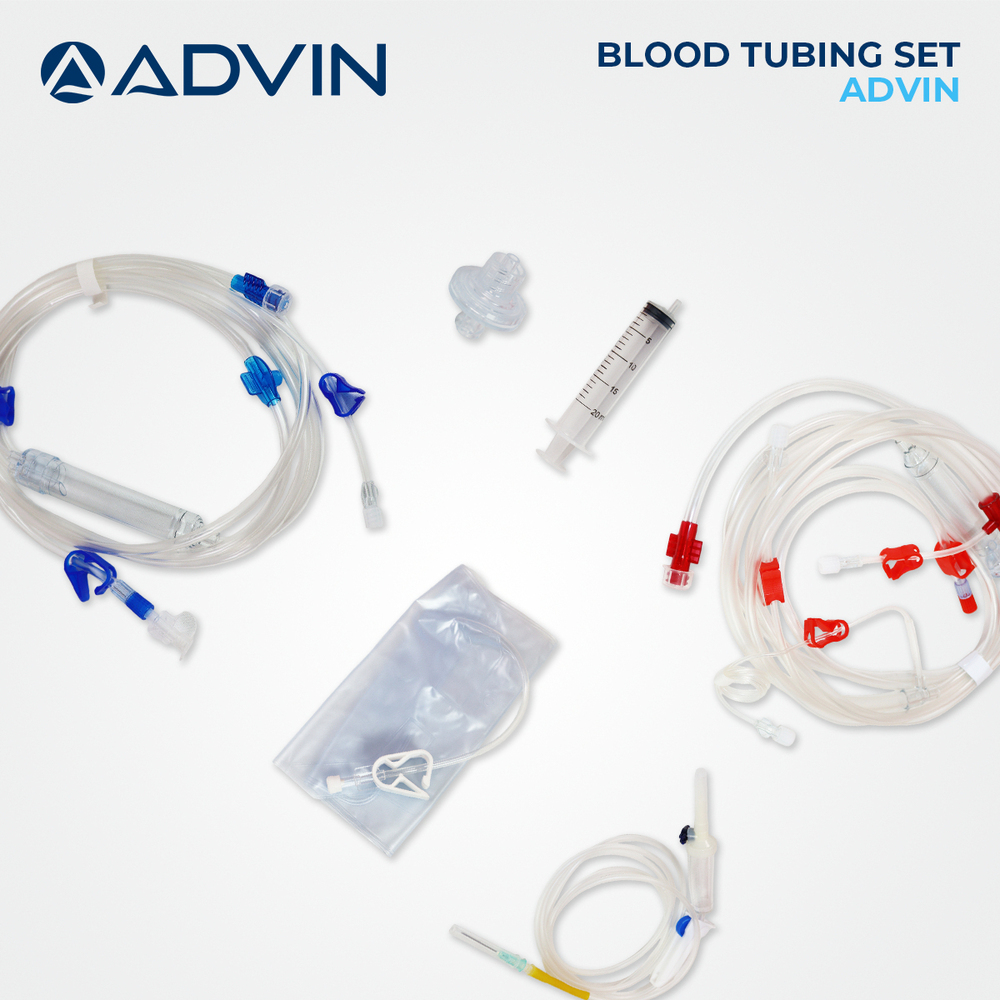
Price 2.26 USD ($) / Piece
Minimum Order Quantity : 1 Piece
Real-Time Operation : Yes
Operating Type : Other, Manual Use with Hemodialysis Machine
Use : Transferring Blood during Hemodialysis Procedure
Wall Mounted : No
GST : 24CTVPS5589L1ZE


 Send Inquiry

 Send Inquiry
 English
 Spanish
 French
 German
 Italian
 Chinese (Simplified)
 Japanese
 Korean
 Arabic
 Portuguese