
Call: 07315121789
 Send Inquiry
The Distal Tibia Locking Plate is commonly used in trauma orthopedic procedures for managing fractures of the distal tibia, including complex and comminuted fracture patterns. Its anatomically contoured design allows optimal adaptation to the distal tibial anatomy, providing stable fixation and minimizing soft tissue irritation. Advin Health Care manufactures these plates with high-quality stainless steel or titanium to ensure durability, strength, and consistent clinical performance. This implant promotes proper fracture alignment, reduces the risk of implant loosening, and supports faster patient recovery. It is a trusted solution for surgeons managing distal tibial fractures.
Advanced Features:
Anatomically contoured design for distal tibia
Locking screw mechanism ensures secure fixation
Made from medical-grade stainless steel or titanium
Suitable for simple, complex, and comminuted distal tibia fractures
Enhances fracture healing and surgical efficiency
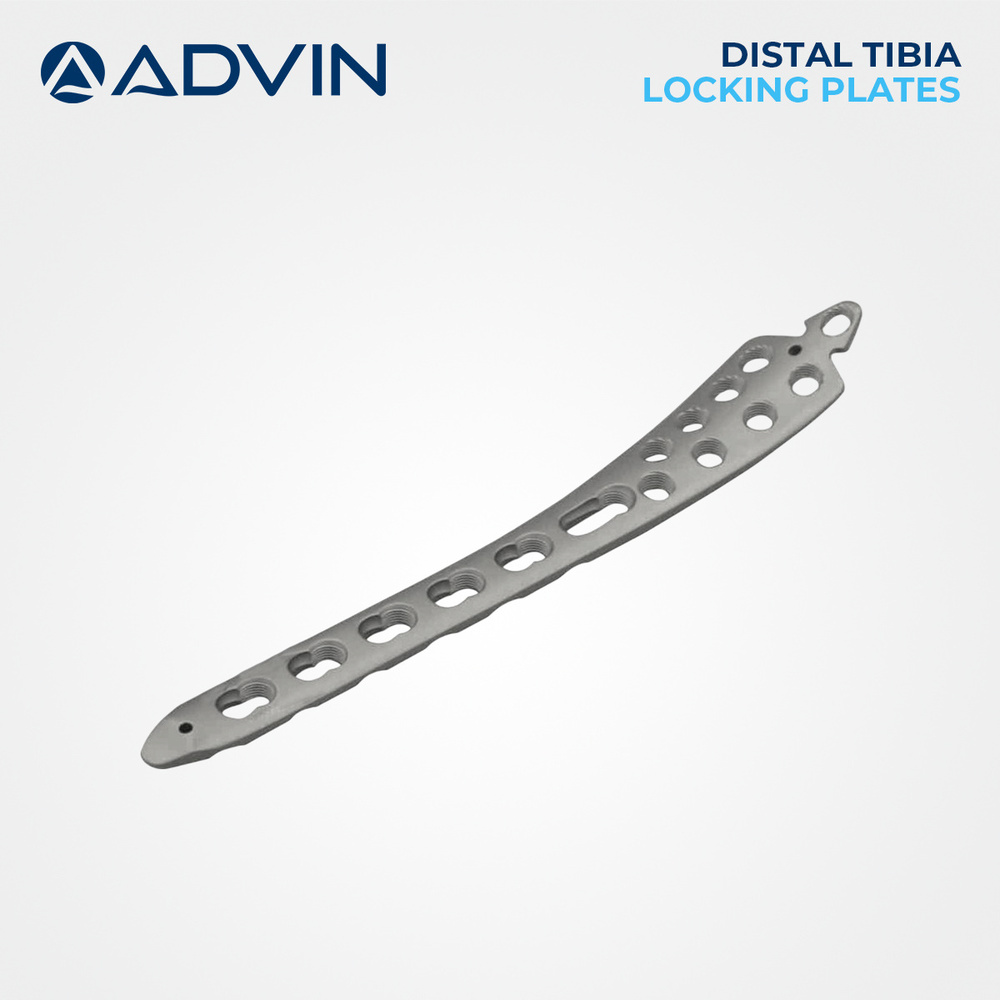

Price:
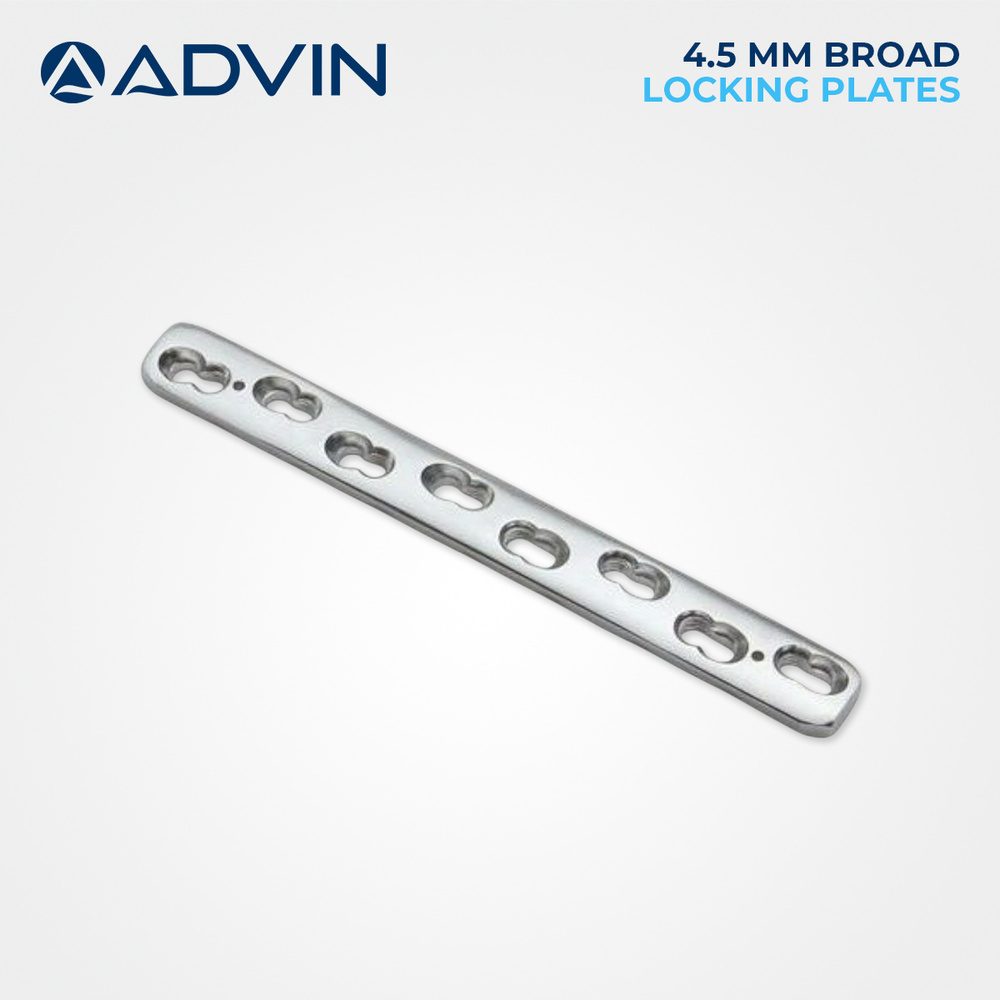
Price 6 USD ($) / Piece
Minimum Order Quantity : 1 Piece
Portable : Yes
Wall Mounted : No
Shelf Life : 5 years
Dimension (L*W*H) : Varies: Common formats 4.5mm width, 616 holes, thickness approximately 3.54.5mm
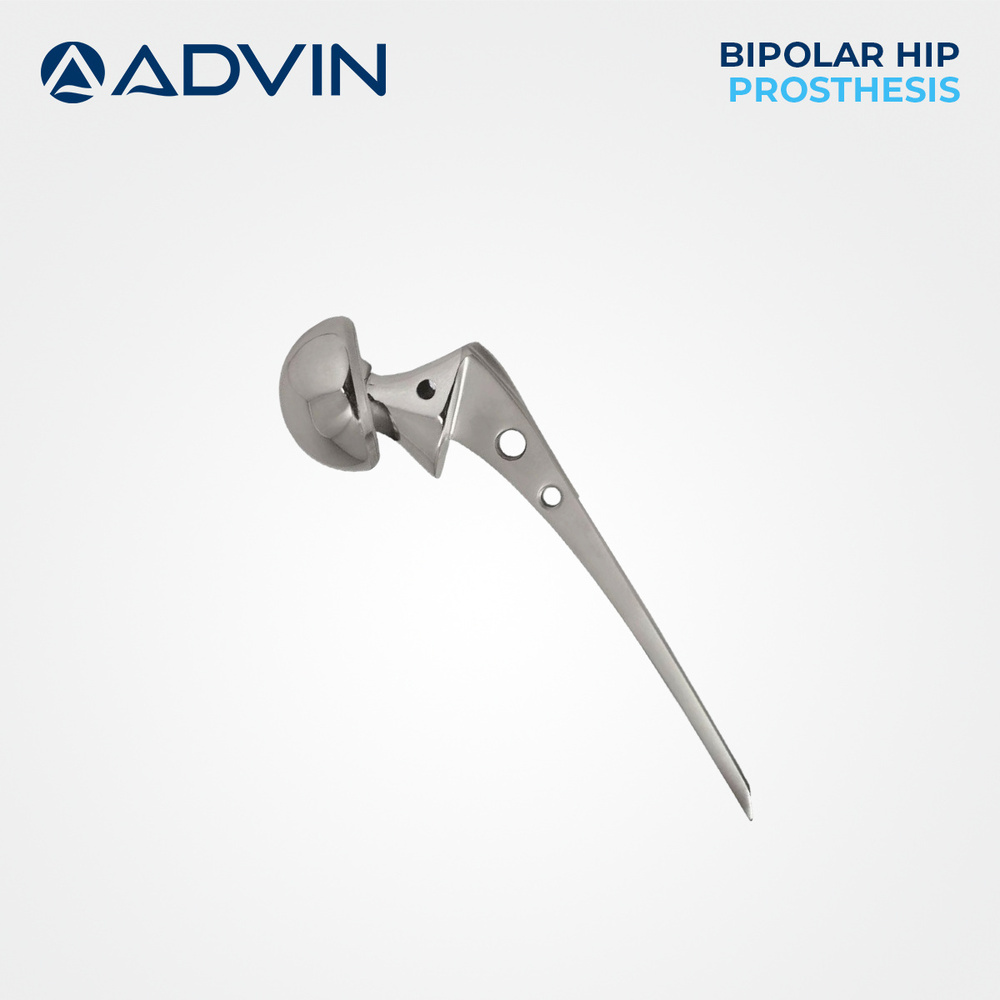
Price 5 USD ($) / Piece
Minimum Order Quantity : 1 Piece
Portable : Yes
Wall Mounted : No
Shelf Life : 5 Years
Dimension (L*W*H) : Standard Surgical Sizes (Multiple available)
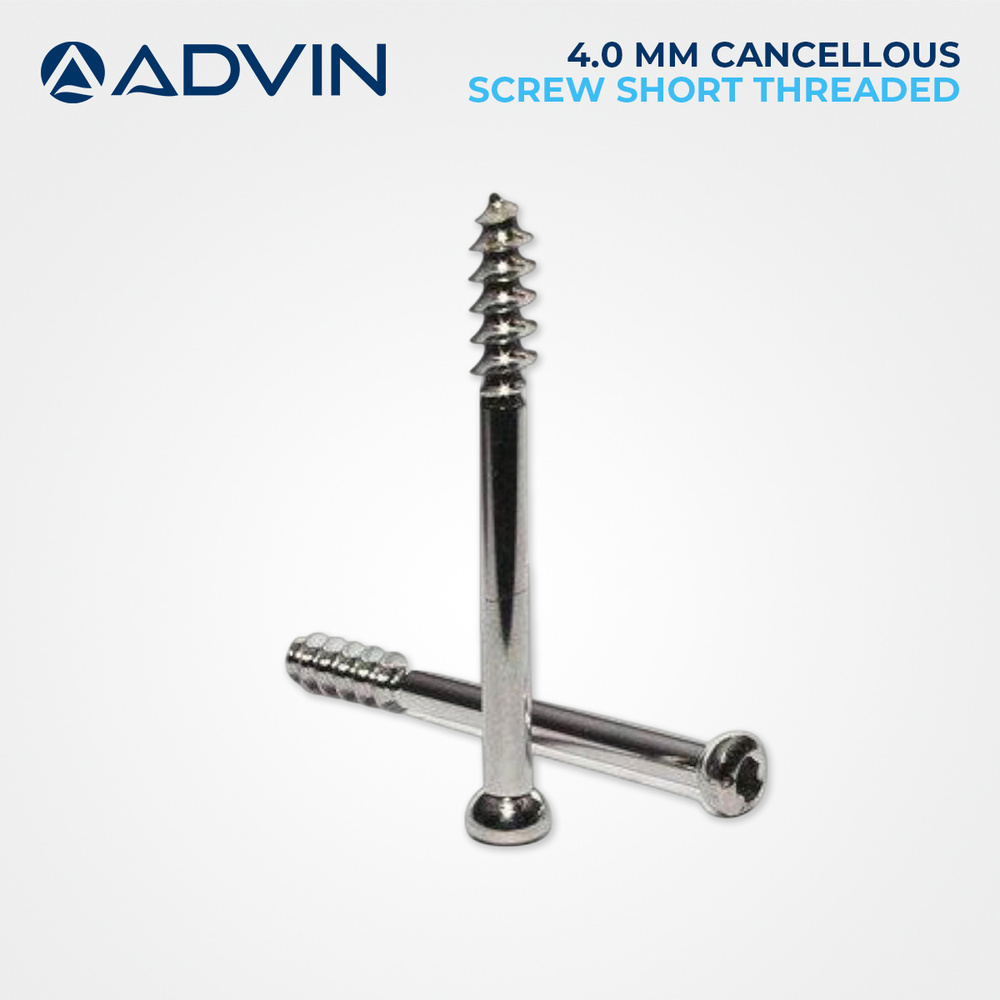
Price 5 USD ($) / Piece
Minimum Order Quantity : 1 Piece
Portable : Yes
Wall Mounted : No
Shelf Life : 5 Years
Dimension (L*W*H) : 4.0mm Diameter; Length varies as per requirement
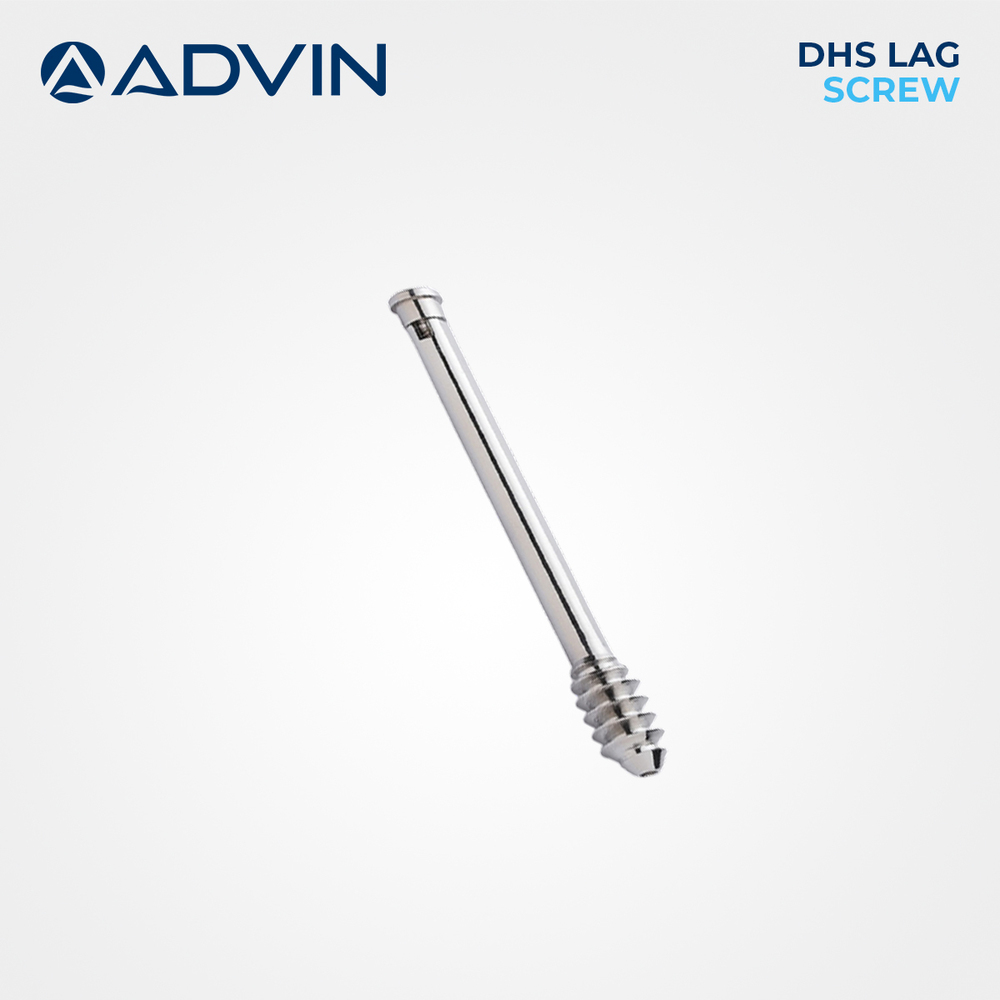
Price 7 USD ($) / Piece
Minimum Order Quantity : 1 Piece
Portable : Yes
Wall Mounted : No
Shelf Life : 5 years (if properly stored)
Dimension (L*W*H) : Varies as per screw length (custom sizes available)
GST : 24CTVPS5589L1ZE


 Send Inquiry

 Send Inquiry
 English
 Spanish
 French
 German
 Italian
 Chinese (Simplified)
 Japanese
 Korean
 Arabic
 Portuguese