Broad Locking Plate About
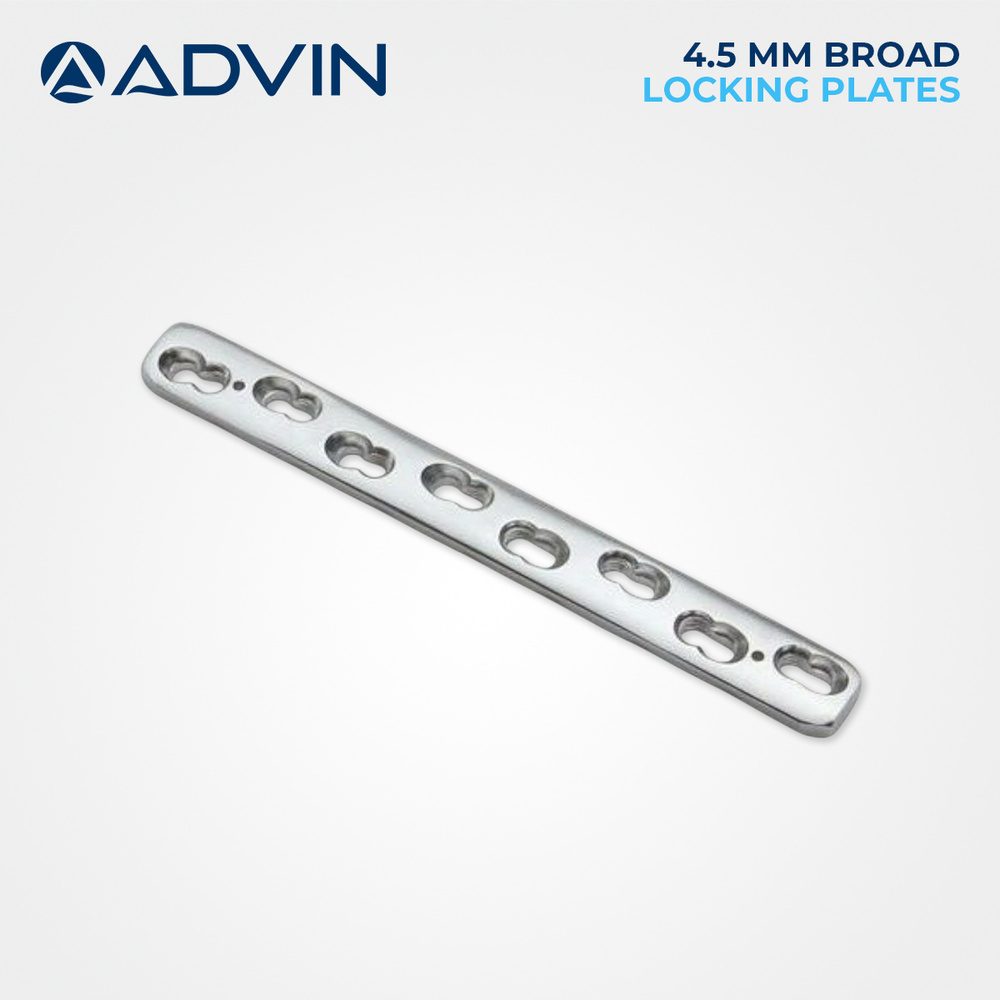
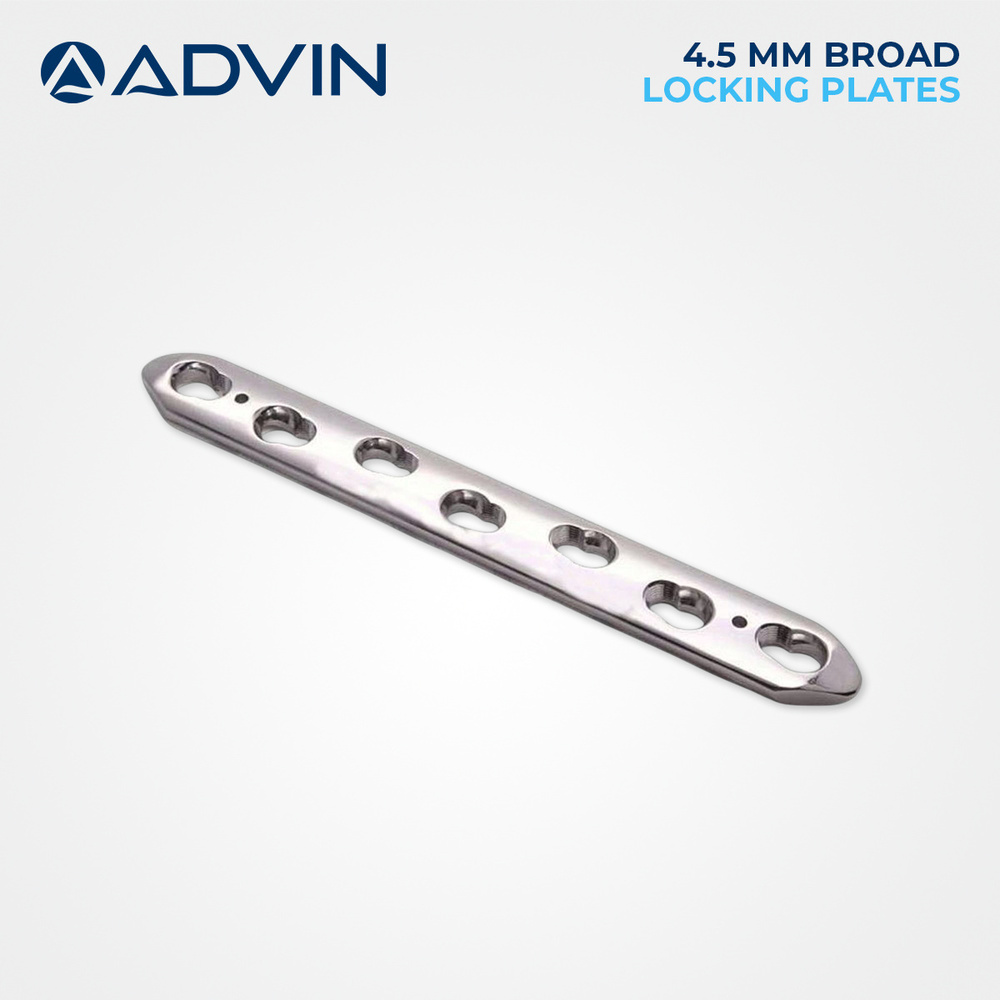
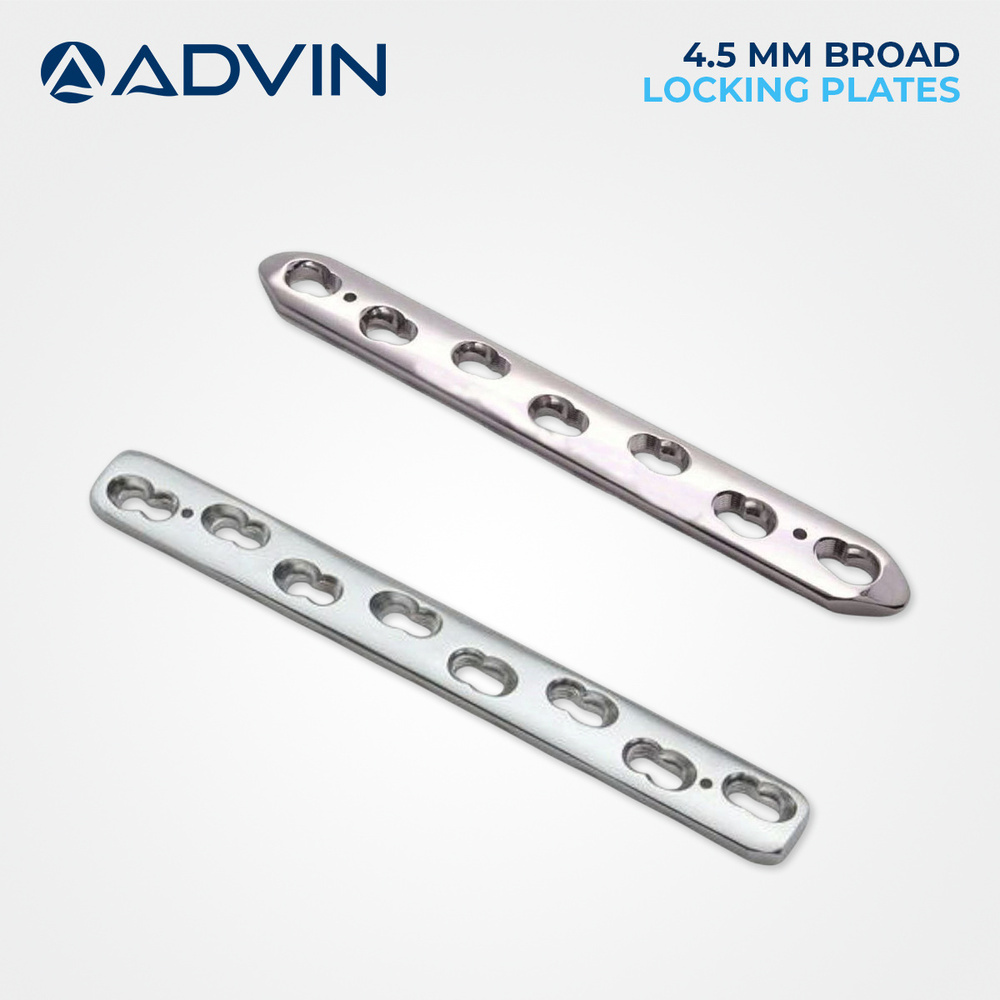
Broad Locking Plates are commonly used in orthopedic trauma surgeries for the fixation of large or complex fractures in long bones such as the femur or tibia. Made from surgical-grade stainless steel, these implants are durable, biocompatible, and resistant to corrosion. Advin Health Care provides Broad Locking Plates that allow surgeons to achieve firm fixation without depending on plate-to-bone compression, which reduces the risk of implant loosening. Their broad design offers enhanced strength and stability in cases where additional support is needed, improving surgical results and patient recovery.
Advanced Features:
-
Made from high-quality surgical-grade stainless steel
-
Broad design provides extra strength and fixation stability
-
Locking screw mechanism for secure plate-screw connection
-
Effective for large bone fractures and osteoporotic bone
-
Corrosion-resistant, durable, and biocompatible implant
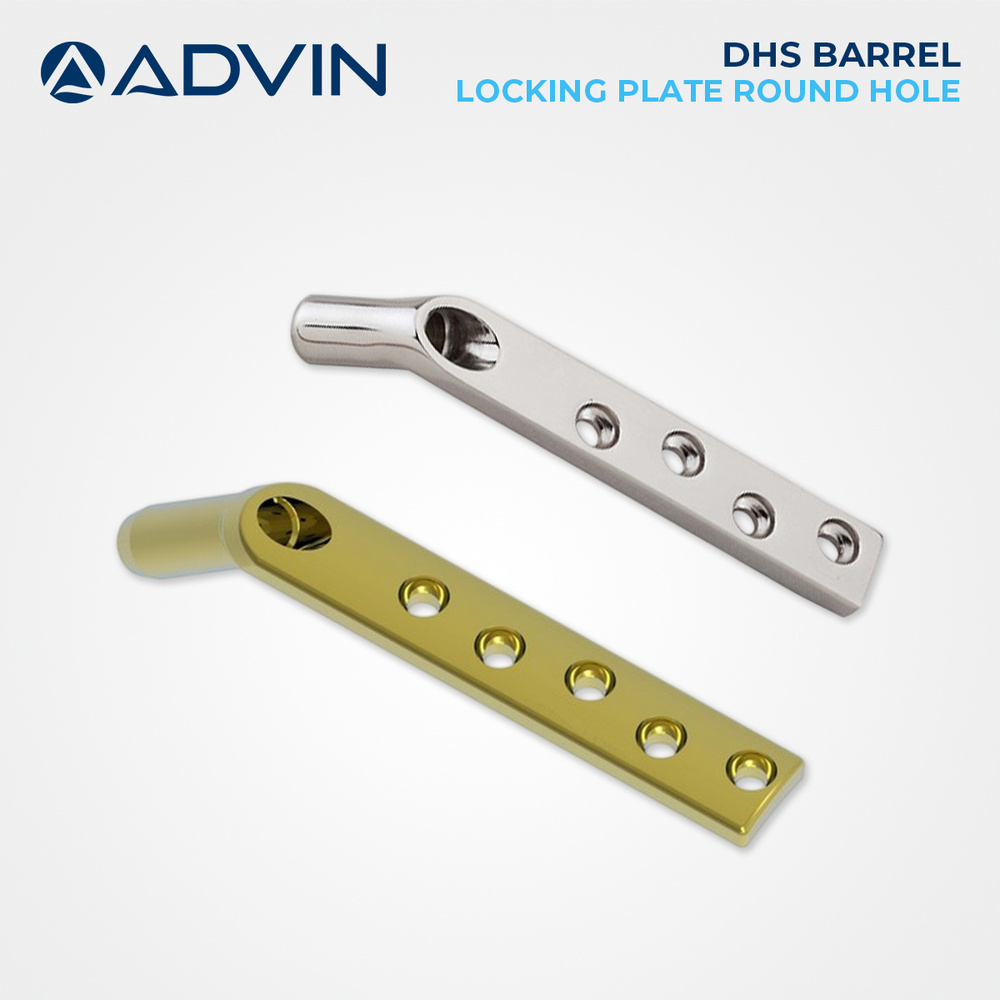
Combination Hole Design for VersatilityThe Broad Locking Plate integrates both locking and compression holes, enhancing fixation strength and flexibility. This dual design allows surgeons to select optimal screw placement for stabilized fracture management. Its compatibility with multiple screw sizes contributes to tailored treatment for diverse fracture patterns.
Safe and Comfortable Anatomical ContouringEngineered with atraumatic, rounded edges, the plate reduces irritation to surrounding soft tissues. The anatomical contouring supports natural bone alignment while providing high mechanical strength for effective and comfortable postoperative outcomes.
Precision Manufacturing and Certified QualityCNC precision machining delivers consistent surgical accuracy, while the use of stainless steel or titanium alloy ensures durability and biocompatibility. The plate meets international standards including CE marking and ISO 13485 certification, guaranteeing safe use in professional healthcare settings.
FAQ's of Broad Locking Plate:
Q: How is the Broad Locking Plate used during fracture fixation surgeries?
A: The plate is surgically implanted across the fractured bone, allowing locking and compression screws to be fixed through combination holes. It stabilizes and aligns the bone, facilitating proper healing in both open and closed fracture cases.
Q: What makes the combination hole design beneficial for surgeons?
A: Combination locking and compression holes provide flexibility for secure screw placement, enabling either fixed or dynamic stabilization. This improves bone healing and accommodates specific clinical requirements during surgery.
Q: When should surgeons choose this plate for fracture management?
A: The Broad Locking Plate is recommended for long bone fractures when anatomical alignment, rigid stabilization, and minimal tissue irritation are needed, such as in complex or multi-fragmentary fractures.
Q: Where can the Broad Locking Plate be applied clinically?
A: It is typically used in orthopaedic operating rooms for fixation of long bone fractures, including femur, tibia, and humerus. Its varying sizes and hole configurations make it suitable for different anatomical scenarios.
Q: What process ensures the plate's surgical accuracy and reliability?
A: Each plate is manufactured using CNC precision machining, followed by thorough inspection to meet CE and ISO 13485 standards. This ensures high accuracy, consistency, and reliable performance in surgical applications.
Q: How is the Broad Locking Plate packaged and sterilized before use?
A: Plates are provided in sterile packaging, such as blister packs or pouches, and can be supplied pre-sterilized or autoclaved before use. This prevents contamination and supports single-use protocols.
Q: What are the main benefits of using this orthopaedic implant?
A: Key benefits include anatomical fit, high strength, resistance to corrosion, minimal soft tissue irritation, secure fixation with multiple screw options, and certified quality for safe patient outcomes.

 Send Inquiry




 Send Inquiry

 Send Inquiry
 English
 Spanish
 French
 German
 Italian
 Chinese (Simplified)
 Japanese
 Korean
 Arabic
 Portuguese