About Endourology Guidewire
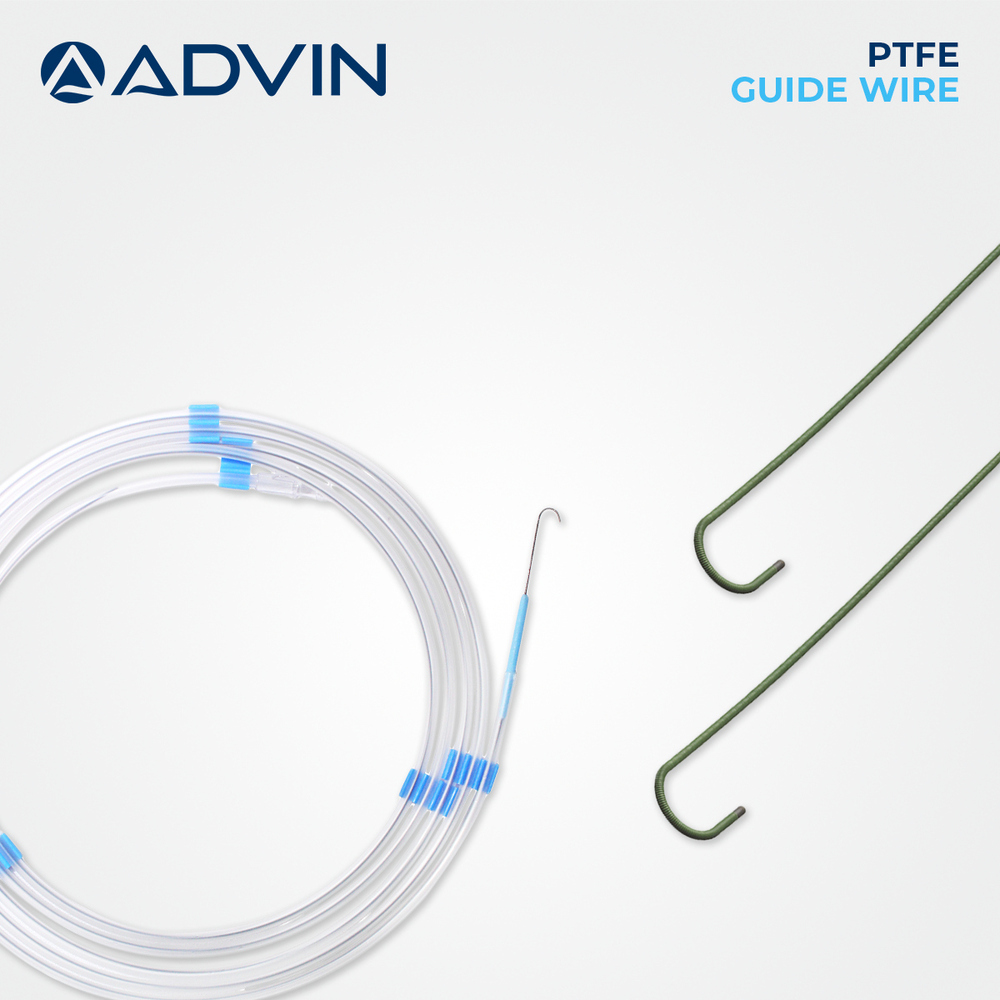
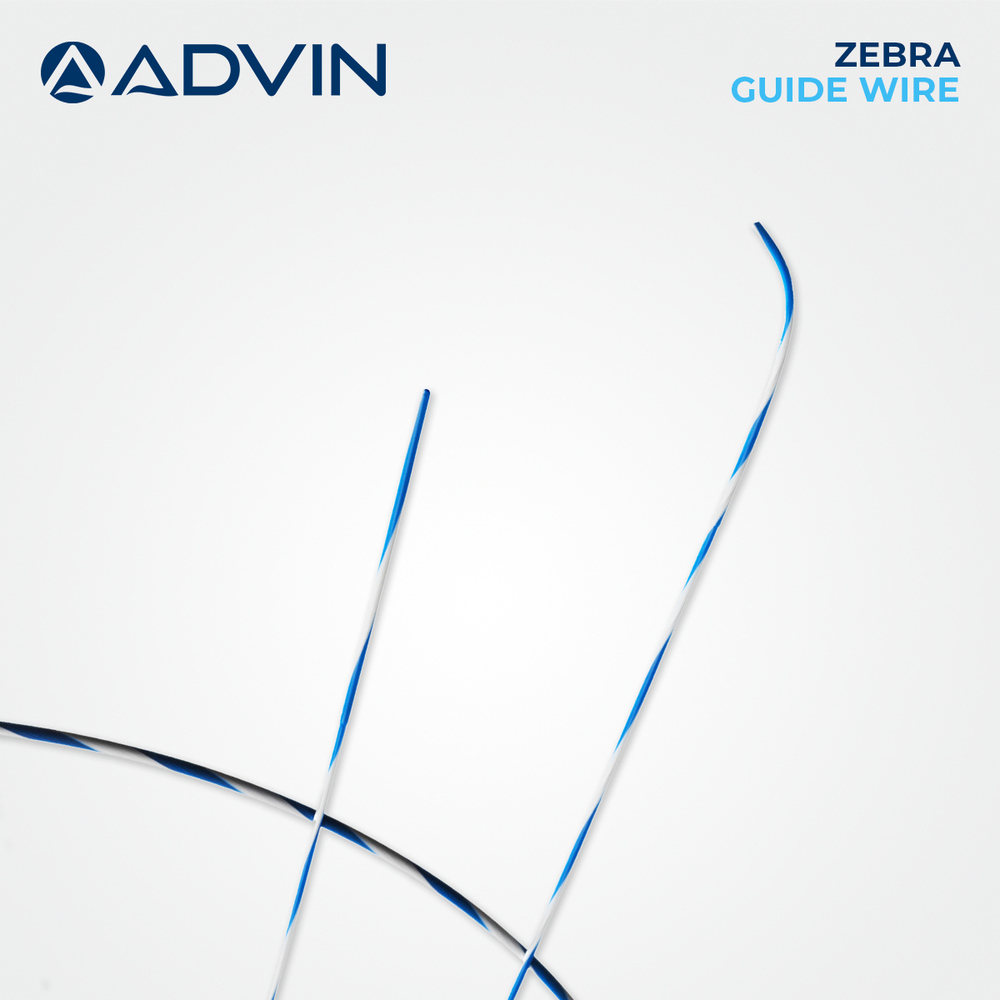
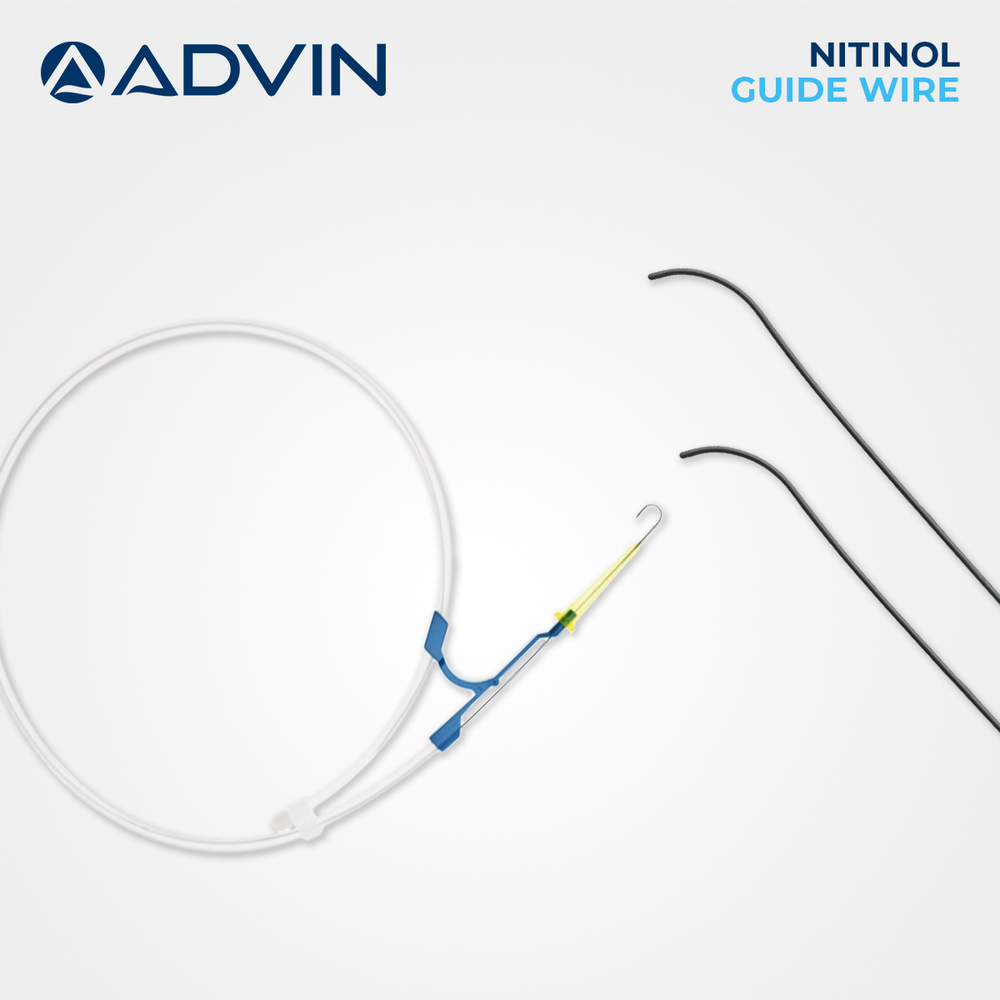
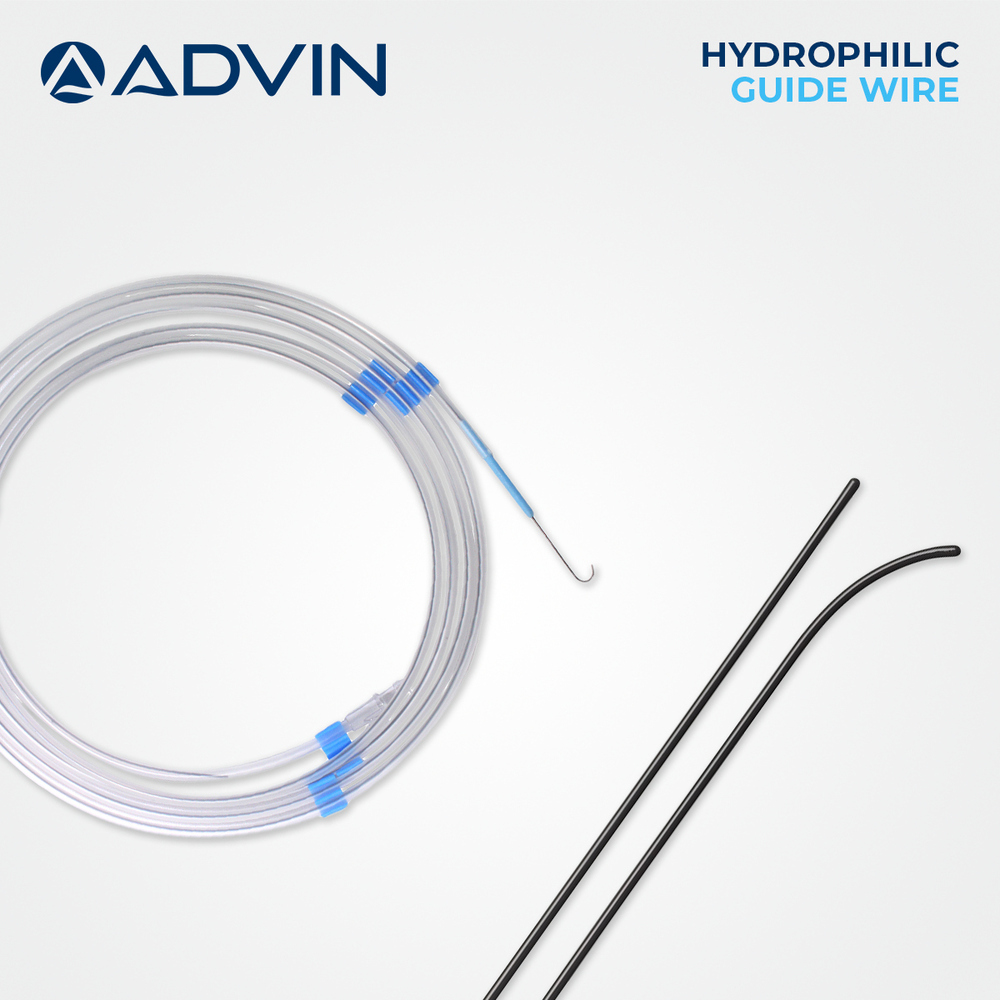
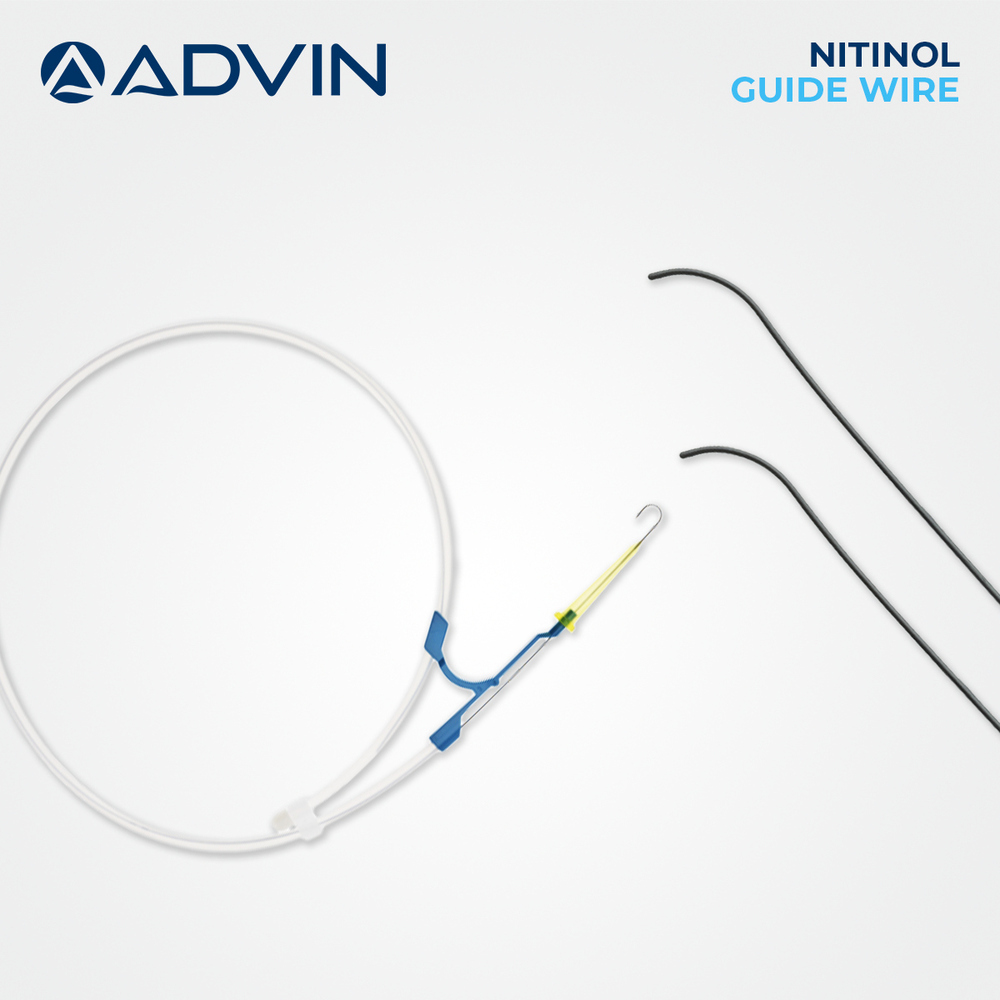
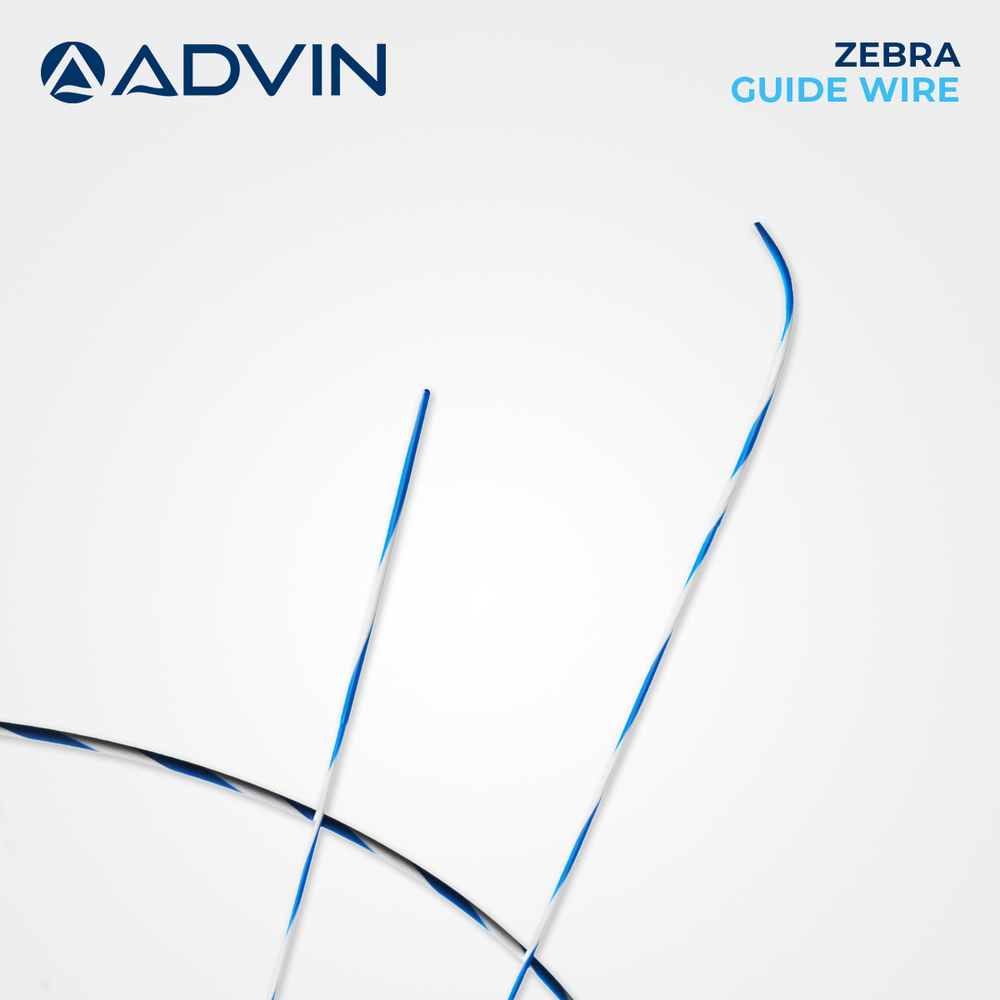
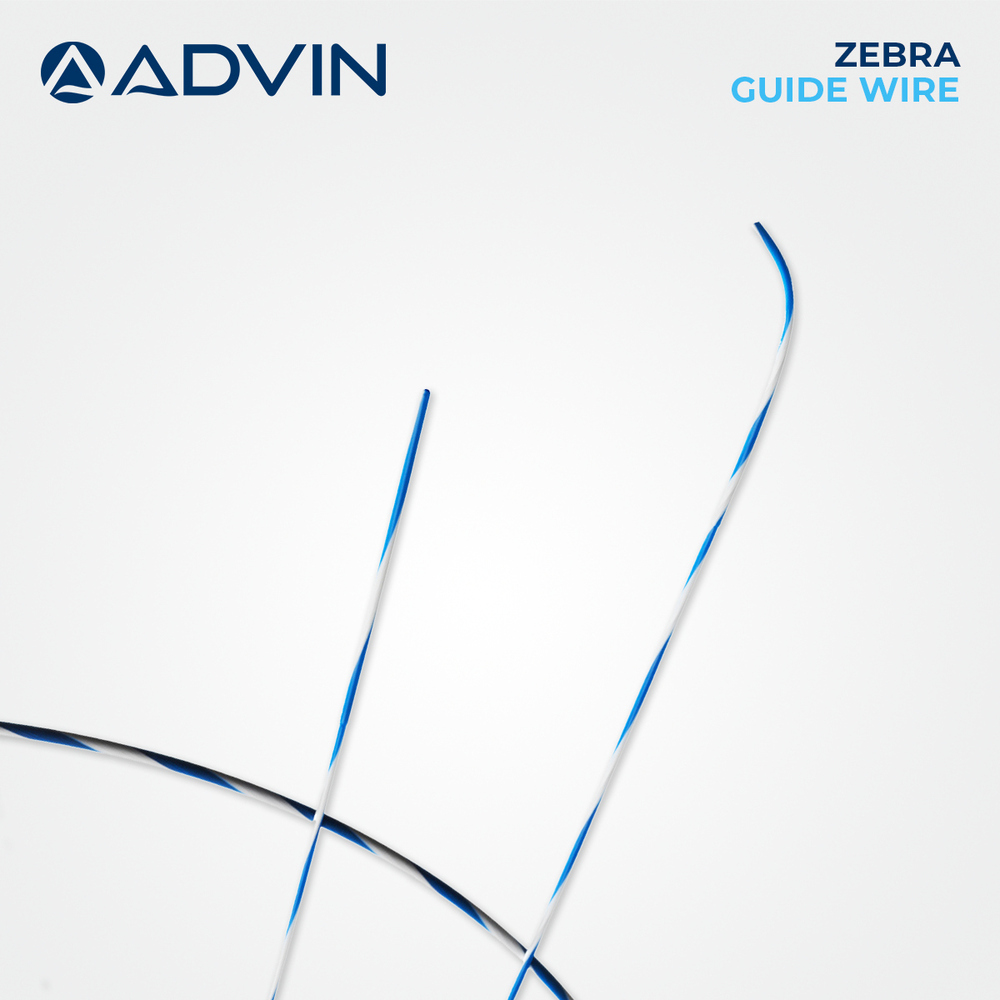
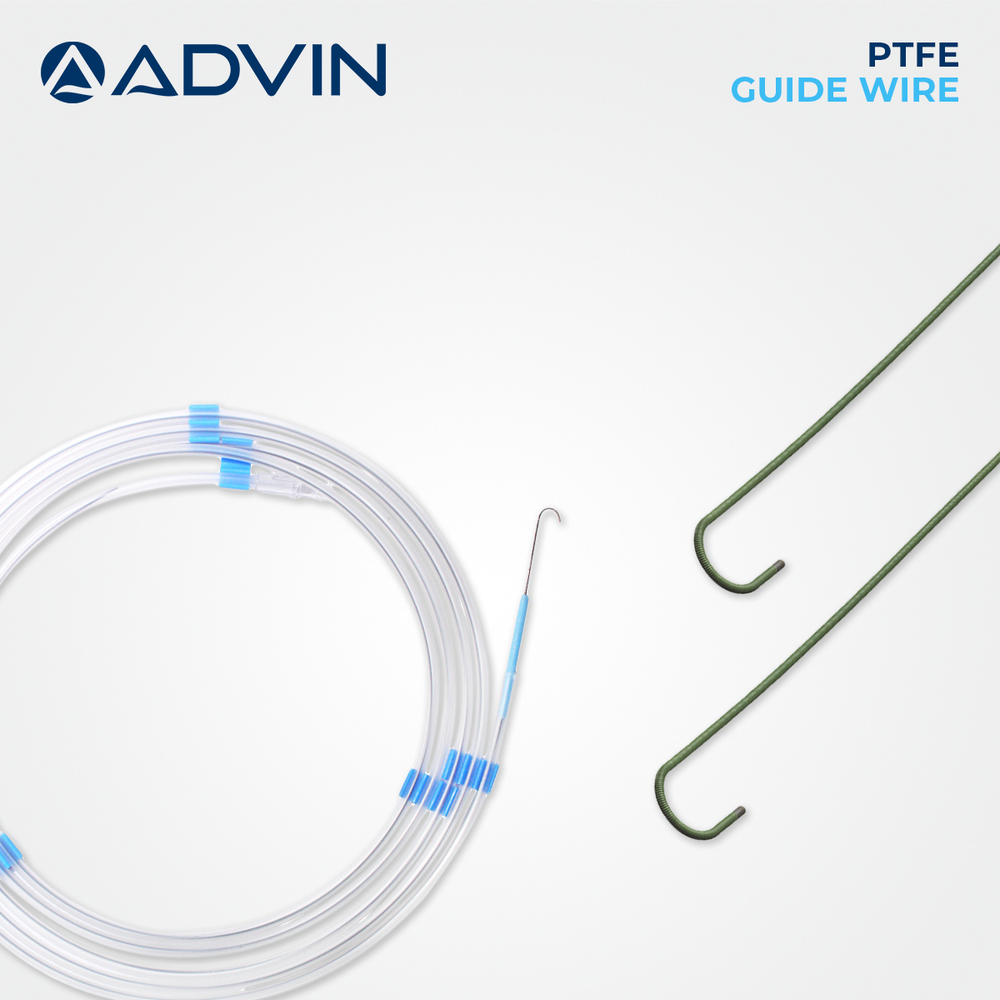
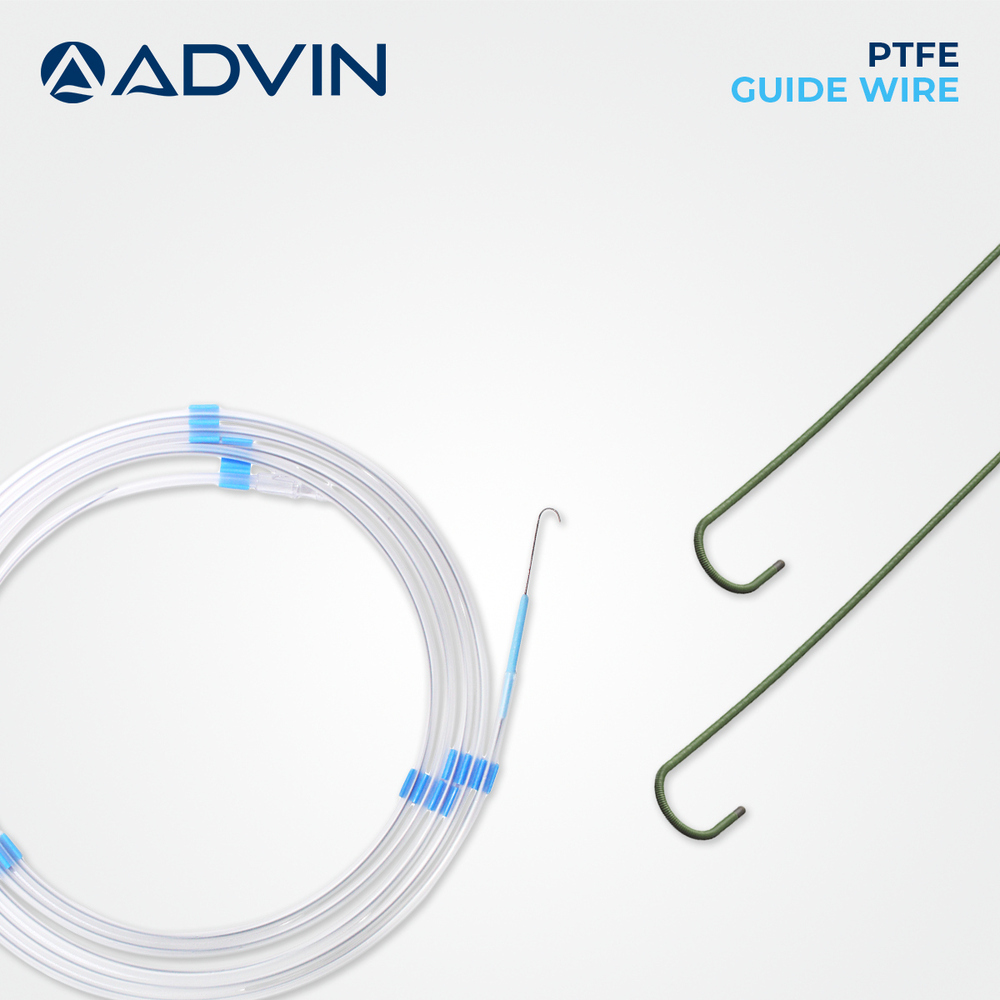
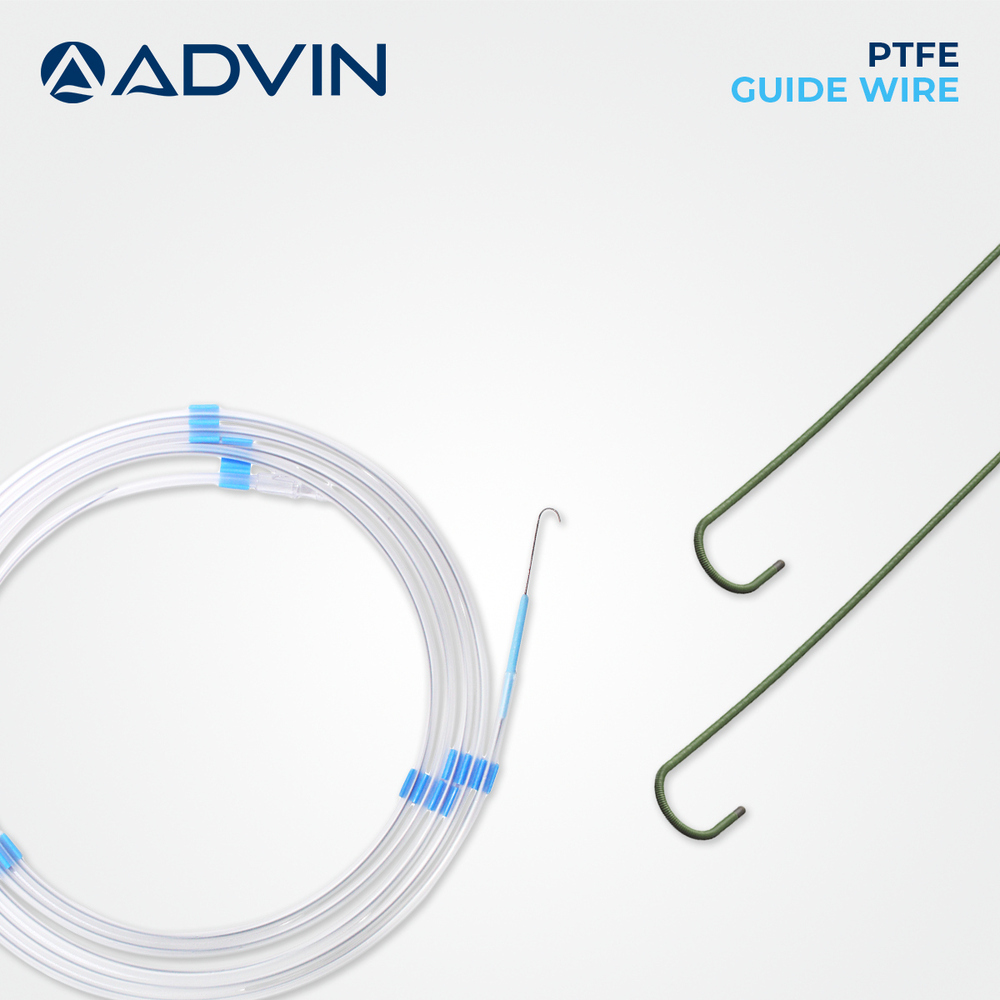
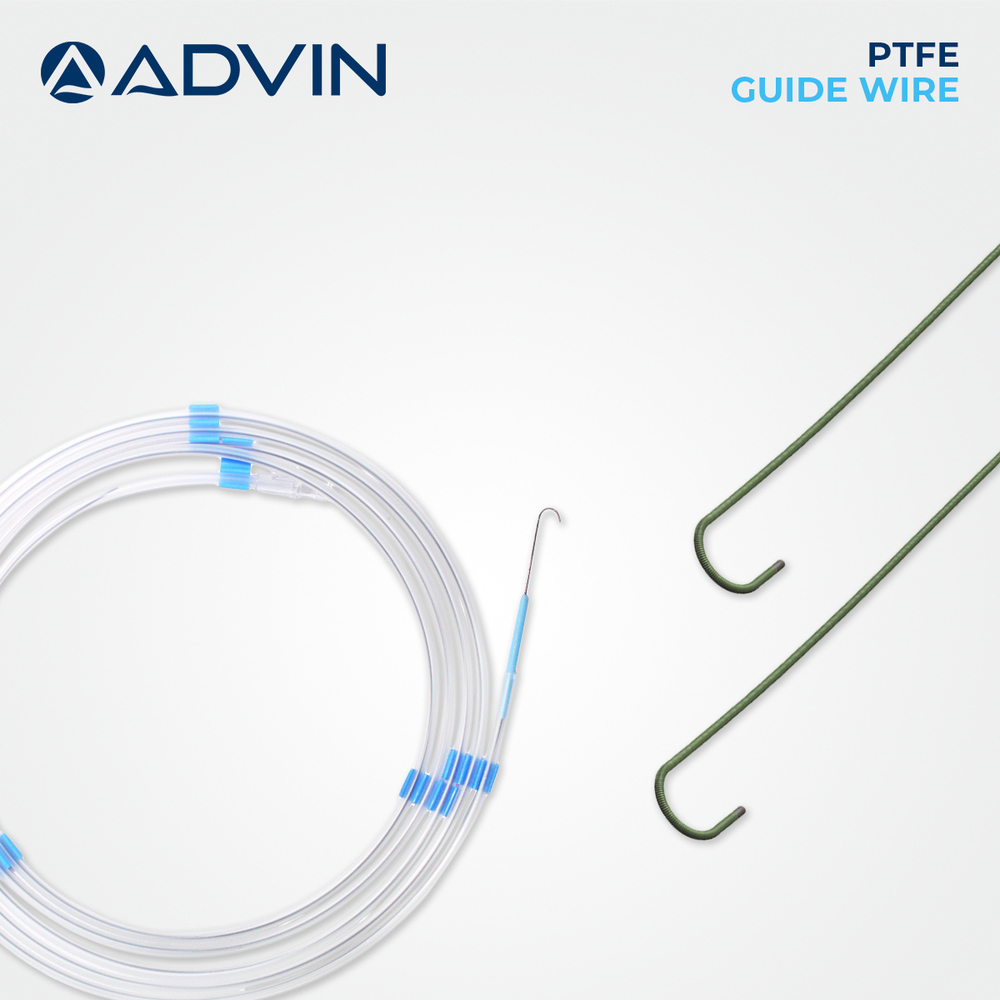
Endourology Guidewire is a specialized medical device used to provide safe and reliable access during urological procedures. It helps guide instruments smoothly into the urinary tract without causing trauma. The guidewire is flexible, durable, and designed for ease of use in hospitals and surgical centers.
Advanced Features:
-
Provides safe and reliable access during urology procedures
-
Flexible yet strong for precise control
-
Smooth surface minimizes trauma to urinary tract
-
Compatible with multiple urology instruments
-
Suitable for ureteroscopy, PCNL, and stent placement
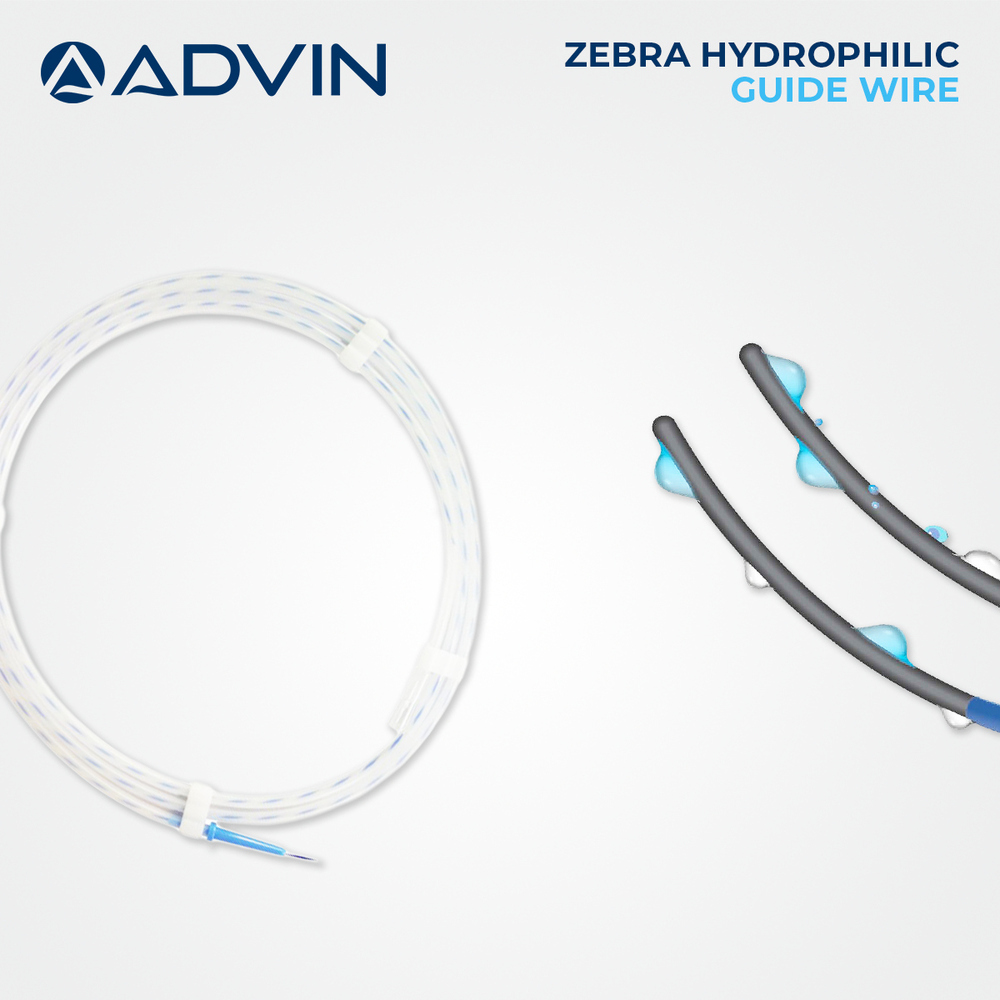
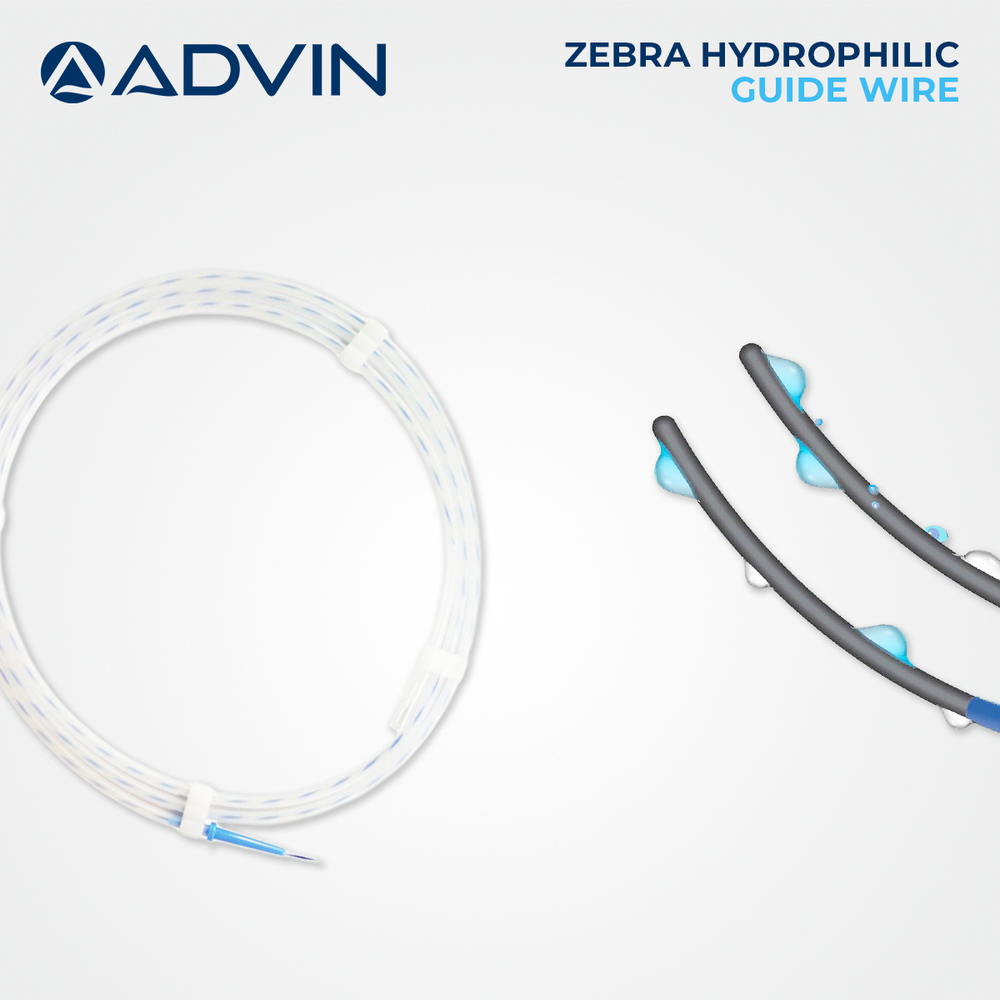
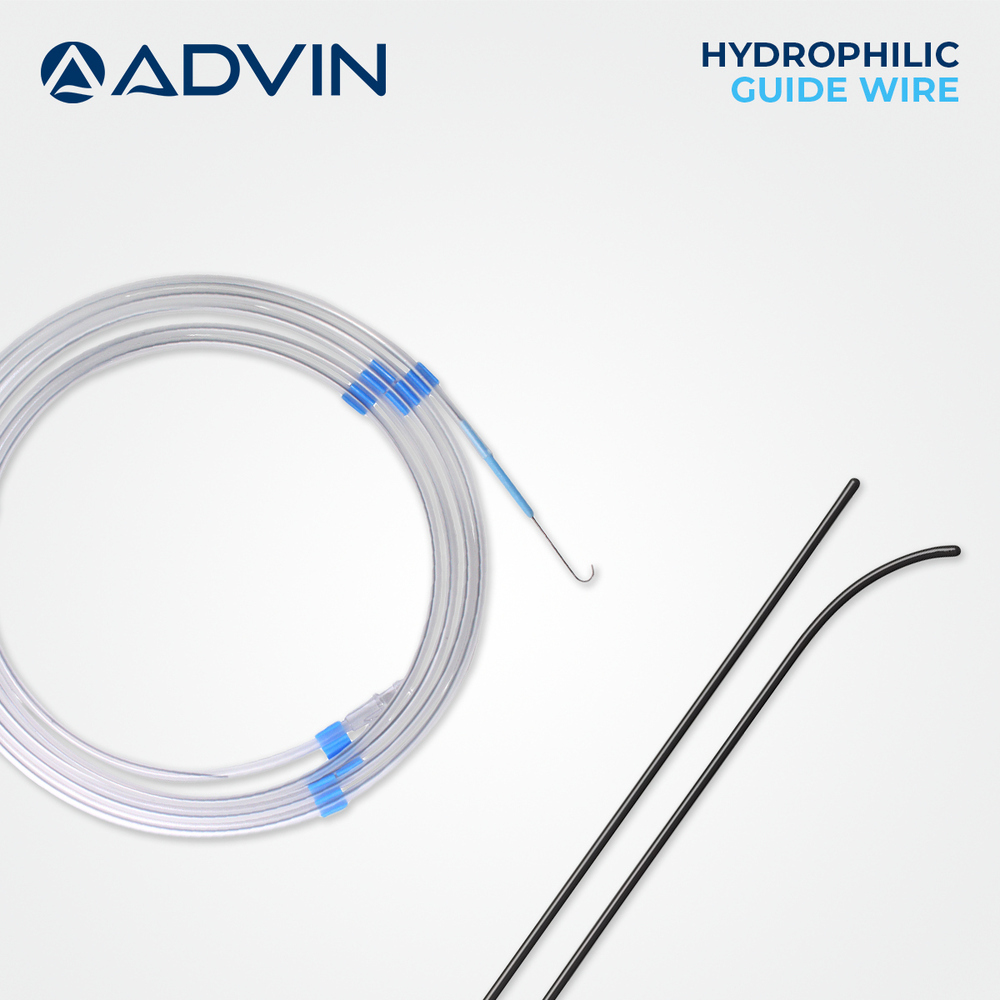
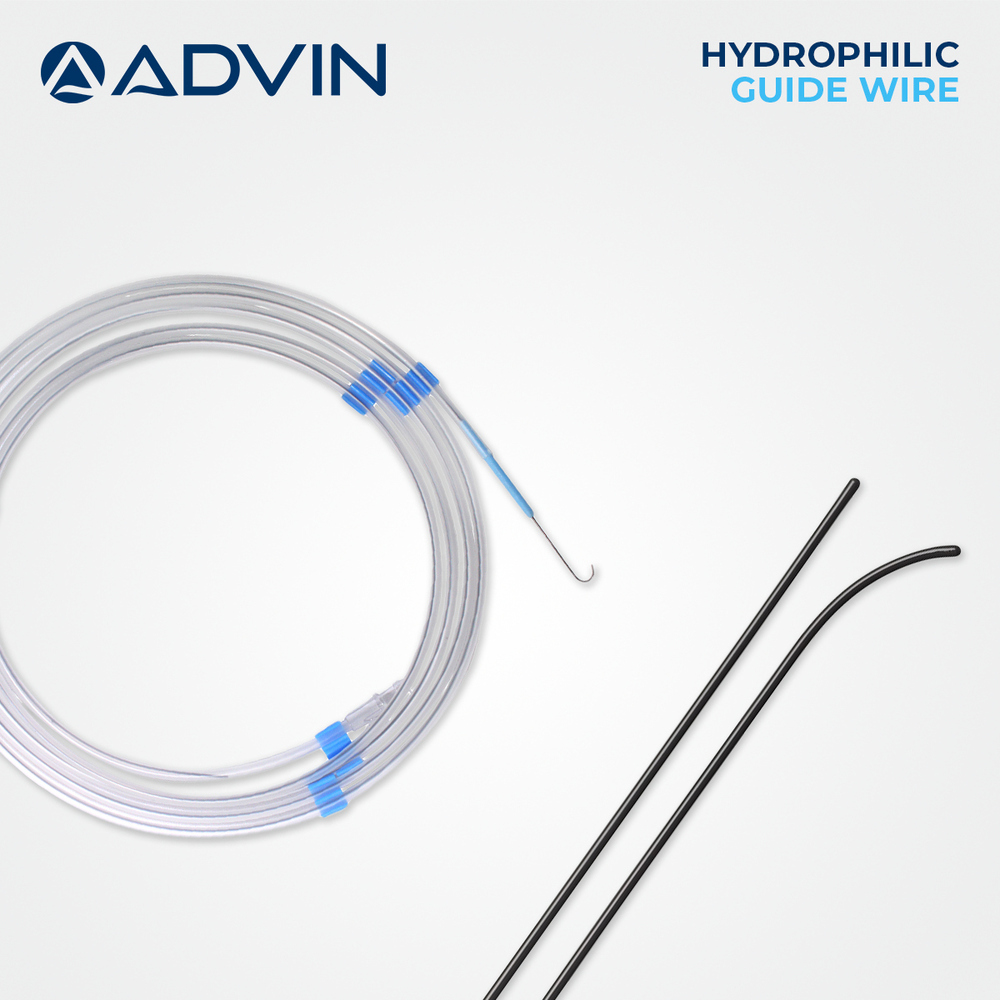
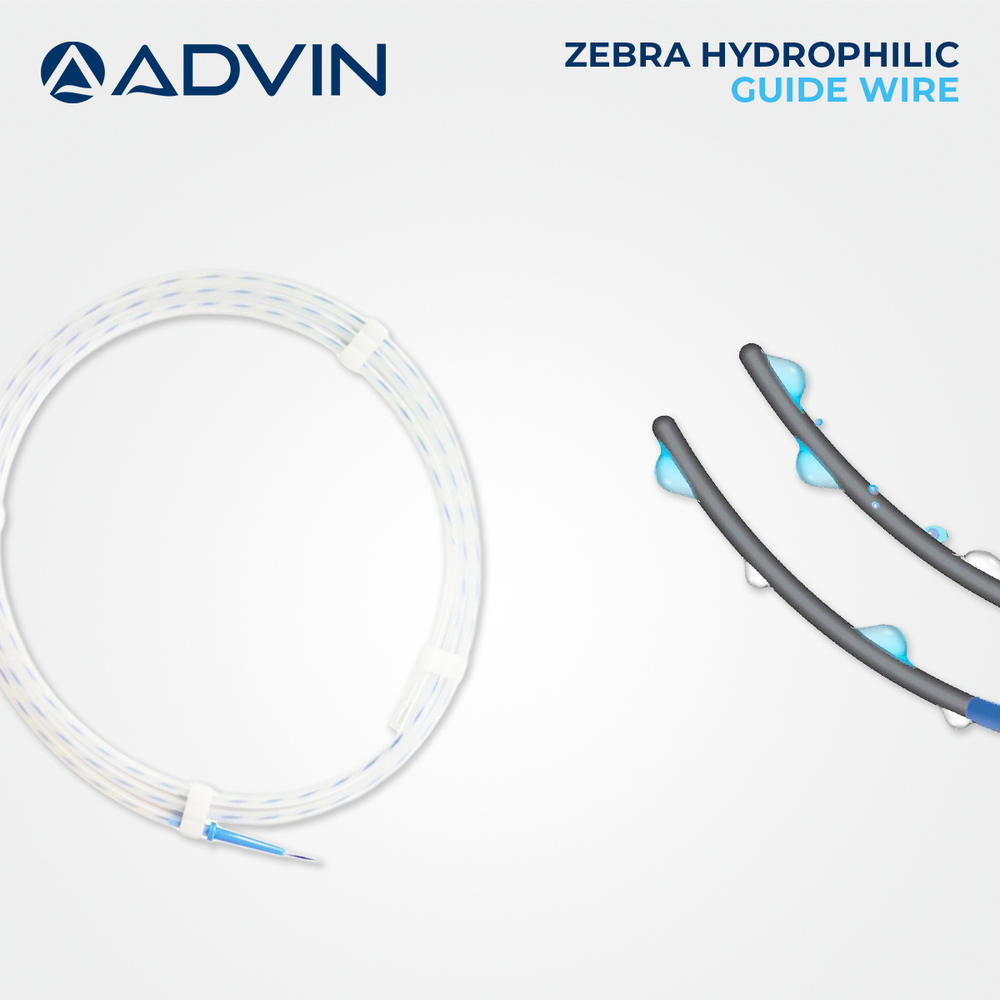
Hydrophilic Technology for Effortless NavigationFeaturing advanced hydrophilic coating, this guidewire offers superior lubricity, ensuring seamless passage even through tortuous or narrow anatomies. The flexible and kink-resistant design reduces procedure time and lowers the risk of trauma to delicate tissues. This translates to greater maneuverability and high-precision placement under real-time fluoroscopic guidance.
Versatile Applications and Enhanced SafetyPurposefully engineered for use in urology, nephrology, and endoscopy, the guidewire supports a broad range of endourological procedures. Manufactured in India and compliant with CE and ISO standards, each wire is ETO-sterilized and individually packaged for maximum sterility and patient safety. The single-use format reduces cross-contamination risk and simplifies workflow.
Designed for Clinical EfficiencyAvailable in standard lengths (150 cm, 180 cm, 260 cm) and diameters (0.0250.038), the guidewire integrates seamlessly with most endoscopic devices. The radiopaque quality ensures excellent fluoroscopic visibility, aiding precise placement. Its low weight, silent operation, and easy portability make it ideal for both hospital and ambulatory settings.
FAQs of Endourology Guidewire:
Q: How does the hydrophilic coating benefit endourology procedures?
A: The hydrophilic coating significantly reduces friction during advancement, facilitating smoother and easier navigation through tight or tortuous urinary anatomy. This helps to minimize trauma to tissues and enhances overall procedural efficiency.
Q: What are the available tip configurations for the guidewire, and when should I use each type?
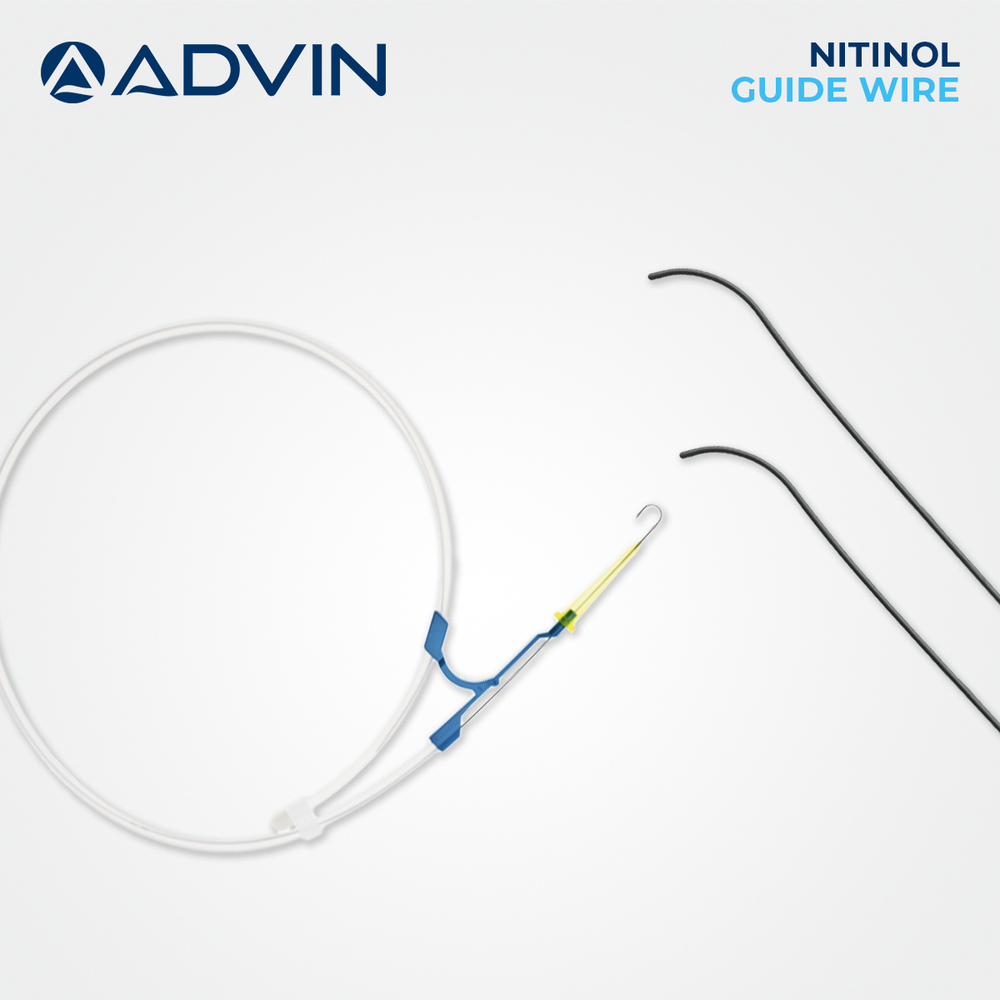
A: The guidewire is offered with straight or J-tip options. Straight tips are generally preferred for straightforward access, while the J-tip provides added flexibility, making it safer and easier to navigate past complex or delicate anatomical areas without risking perforation.
Q: Where can the Endourology Guidewire be effectively used?
A: This guidewire is ideal for clinical applications in urology, nephrology, and endoscopy. It supports procedures requiring precise access and manipulation within the urinary tract under endoscopic or fluoroscopic guidance.
Q: What process is used for sterilization, and is the product safe for single use?
A: Each guidewire undergoes ethylene oxide (ETO) sterilization and is individually packed in a sterile pouch, ensuring it is safe, hygienic, and intended for single-use only to prevent cross-infection.
Q: How do I ensure compatibility with my endoscopic devices?
A: The guidewire is designed for universal compatibility with all major endoscopic devices, thanks to standard lengths and diameters. Always verify the guidewire specifications against your device requirements before use.
Q: What are the storage and shelf life recommendations for this product?
A: Store the guidewire in a cool, dry place away from direct sunlight. When properly stored, it maintains sterility and performance for 23 years as indicated by its shelf life.
Q: What are the main benefits of choosing this guidewire for urological procedures?
A: Key benefits include high kink resistance, flexible tip for atraumatic access, smooth navigation due to hydrophilic coating, reliable radiopacity for real-time imaging, and robust regulatory compliance (CE marked, ISO certified).