About Everolimus Eluting Stent
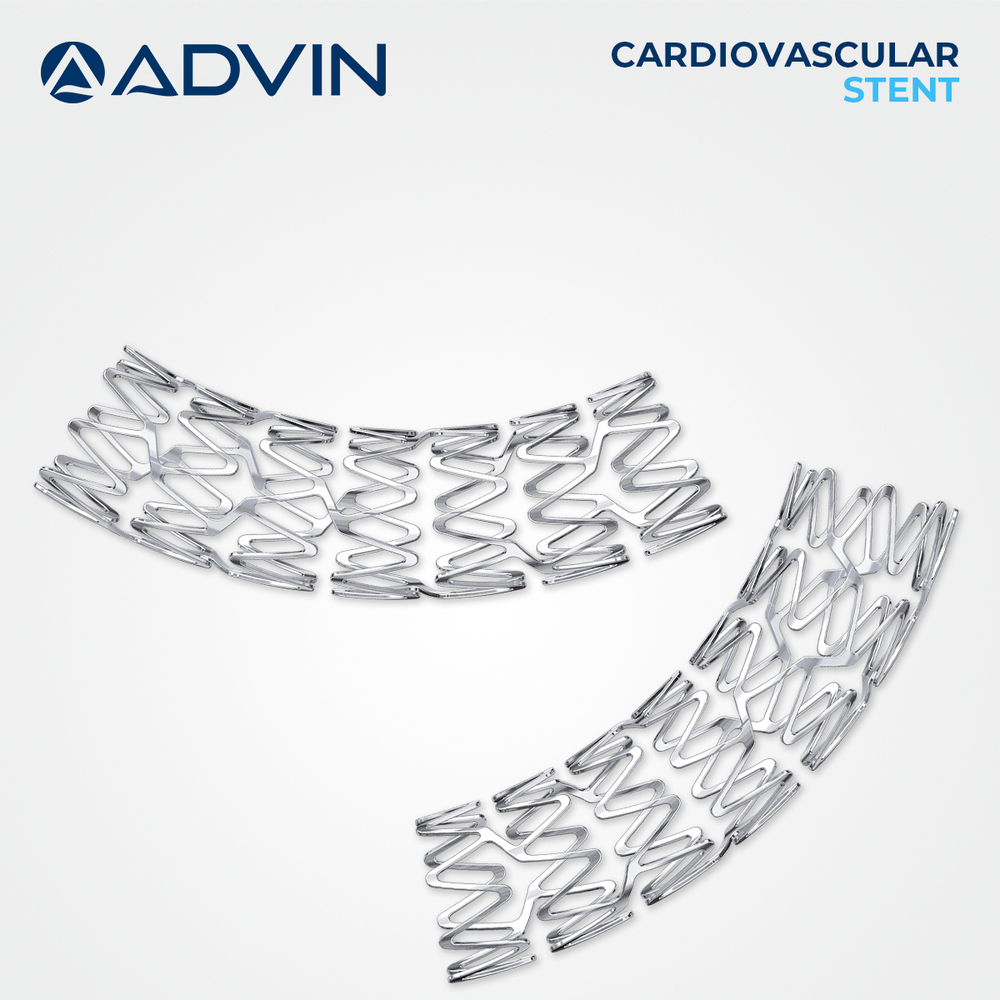
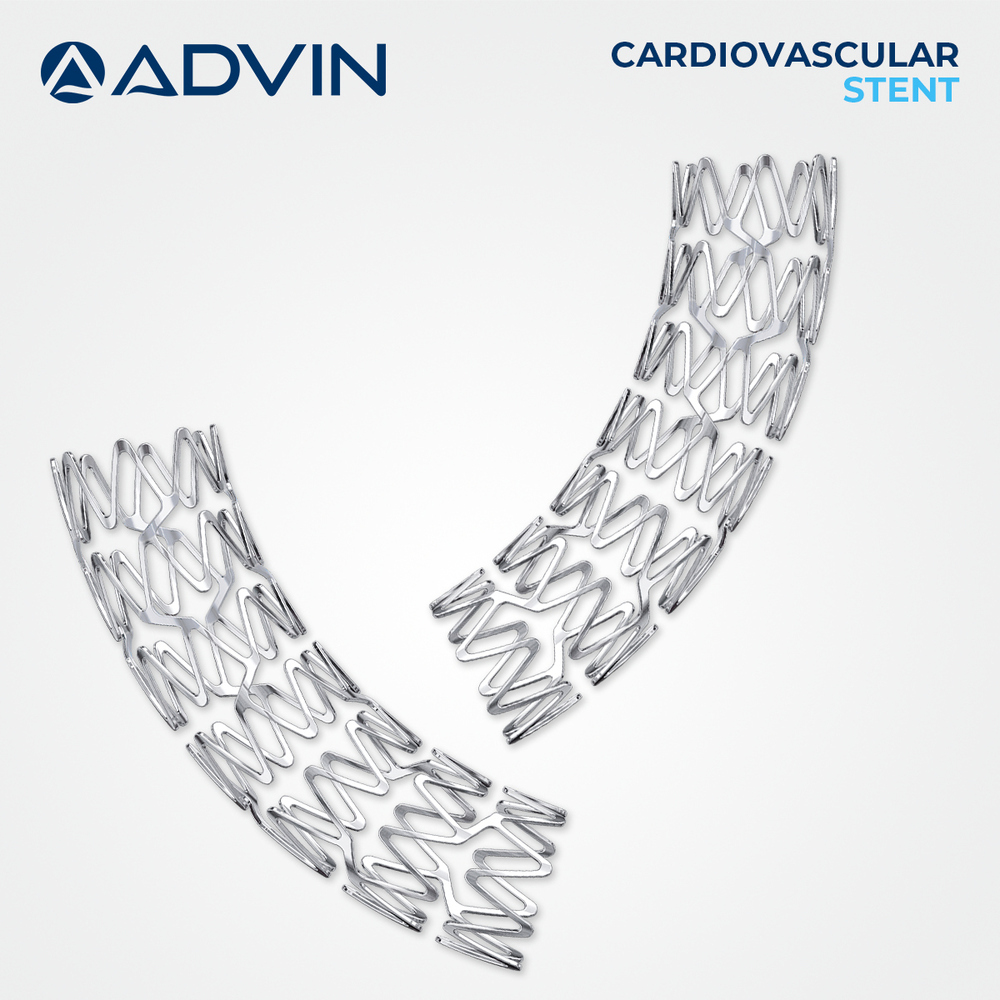
Advin Health Care Everolimus Eluting Stent is designed for advanced coronary interventions with controlled drug release to minimize restenosis and support long-term vessel healing. It delivers excellent flexibility, precise placement, and reliable clinical outcomes.
Key Features:
Controlled everolimus drug release for reduced restenosis
Superior flexibility and deliverability
High radial strength for optimal vessel support
Biocompatible coating for enhanced healing response
Smooth surface for excellent trackability
Certifications:
CE, ISO 13485, ISO 9001 Certified
Product Keywords:
Everolimus Eluting Stent, Drug Eluting Stent, Coronary Stent, DES Stent, Cardiovascular Stent
, , , , -
Stent liberador de everolimus, stent liberador de frmacos, stent coronario, stent DES, stent cardiovascular
Stent lution d'vrolimus, stent lution de mdicament, stent coronaire, stent DES, stent cardiovasculaire
Advanced Drug-Eluting TechnologyThe stent leverages everolimus, a proven anti-proliferative drug, to reduce the risk of restenosis by inhibiting unintended tissue growth. Its carefully engineered thin struts and biocompatible coating allow for controlled and sustained drug release, optimizing patient outcomes after coronary artery interventions.
Precision and CompatibilityEquipped with radiopaque markers, the stent provides excellent visibility under fluoroscopy for accurate positioning. The high flexibility and compatibility with standard PTCA balloon catheters simplify navigation through complex vascular paths, allowing for dependable and safe manual placement by trained cardiologists.
Quality, Safety, and ConvenienceThe Everolimus Eluting Stent is sterilized via ethylene oxide or gamma methods, ensuring patient safety. Its robust shelf life of 2-3 years (when stored appropriately) and single-use design prevent contamination, making it ideal for hospitals and clinics. Lightweight and portable, it's suitable for diverse clinical settings across India and worldwide.
FAQ's of Everolimus Eluting Stent:
Q: How is the Everolimus Eluting Stent placed in the coronary artery?
A: The stent is premounted on a balloon catheter and manually delivered to the blocked coronary artery using catheter assistance. Radiopaque markers facilitate visibility, allowing precise positioning under fluoroscopy. Once in place, the balloon is inflated to expand the stent against the artery wall, securing it and restoring blood flow.
Q: What benefits does the everolimus drug coating provide?
A: Everolimus, an anti-proliferative drug, helps prevent restenosis (re-narrowing) of the treated artery by inhibiting excessive cell growth at the stent site, which significantly improves long-term vessel patency and patient outcomes.
Q: When should this stent be used for a patient?
A: The Everolimus Eluting Stent is indicated for patients diagnosed with coronary artery disease where vessel narrowing or blockage requires intervention to restore adequate blood flow. The procedure is determined by a cardiologist following thorough patient assessment.
Q: Where can this stent be applied in the body?
A: This stent is specifically designed for use in the coronary arteries, which supply blood to the heart muscle. It is not intended for other vascular territories.
Q: What is the process for preparing and using the stent?
A: Prior to use, the packaged stent should be stored in a cool, dry place out of direct sunlight and checked for sterility. During the procedure, the physician guides the catheterized stent to the target artery, inflates the balloon to expand the stent, and then withdraws the delivery system, leaving the stent implanted.
Q: How long does the stent remain effective after placement?
A: Once implanted, the stent offers permanent scaffolding. The everolimus drug is released over a controlled period, typically several weeks, reducing the chance of restenosis. Effectiveness is maximized with proper patient follow-up and medication adherence.
Q: What are the key advantages of this stent's design?
A: Key benefits include high flexibility for navigating intricate vessels, biocompatibility, thin strut construction for minimal vessel trauma, high precision delivery, and compatibility with standard PTCA balloon catheters. Controlled drug release and robust sterilization ensure patient safety and effective treatment.

 Send Inquiry


 Send Inquiry

 Send Inquiry
 English
 Spanish
 French
 German
 Italian
 Chinese (Simplified)
 Japanese
 Korean
 Arabic
 Portuguese