About High Tensile Strength Guide Wire
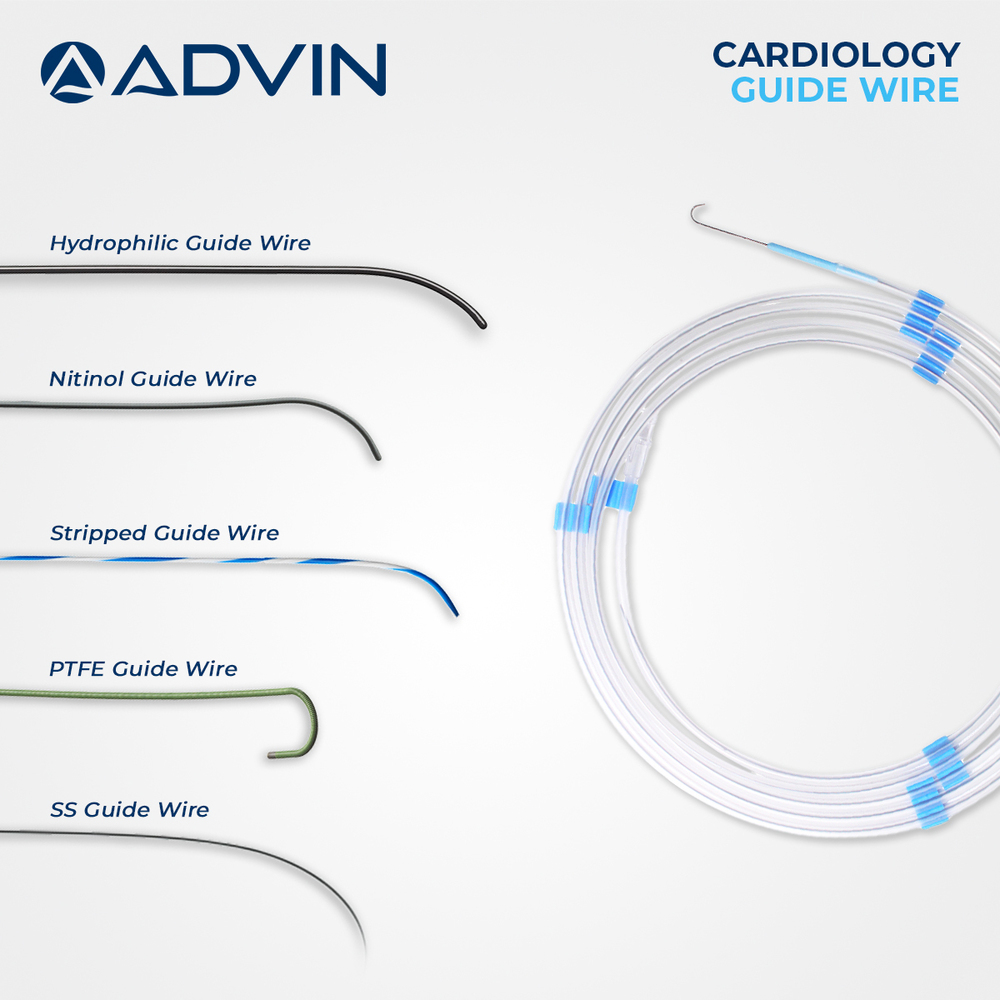
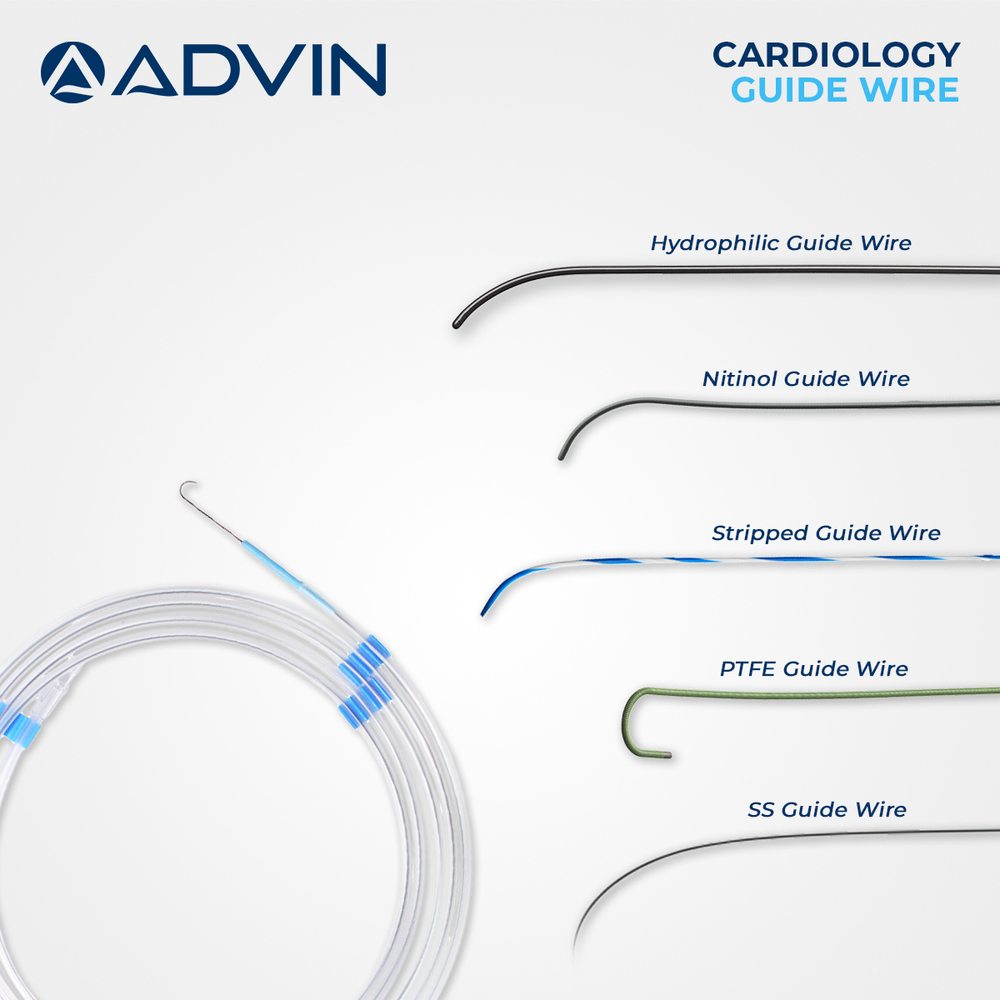
Advin Health Care High Tensile Strength Guide Wire is engineered to provide superior durability and reliable performance during complex vascular navigation. It offers excellent support, controlled maneuverability, and consistent performance in demanding interventional procedures.
Key Features:
- High tensile strength for enhanced durability
- Excellent support for device delivery
- Smooth navigation through vascular pathways
- Controlled maneuverability for precise positioning
- Compatible with standard interventional systems
Certifications:
CE, ISO 13485, ISO 9001 Certified
Product Keywords:
High Tensile Strength Guide Wire, Guidewire, Vascular Guidewire, Interventional Guidewire, High Strength Guidewire
, , ,
Alambre gua de alta resistencia a la traccin, alambre gua, alambre gua vascular, alambre gua intervencionista, alambre gua de alta resistencia
Fil guide haute rsistance la traction, fil guide, fil guide vasculaire, fil guide interventionnel, fil guide haute rsistance
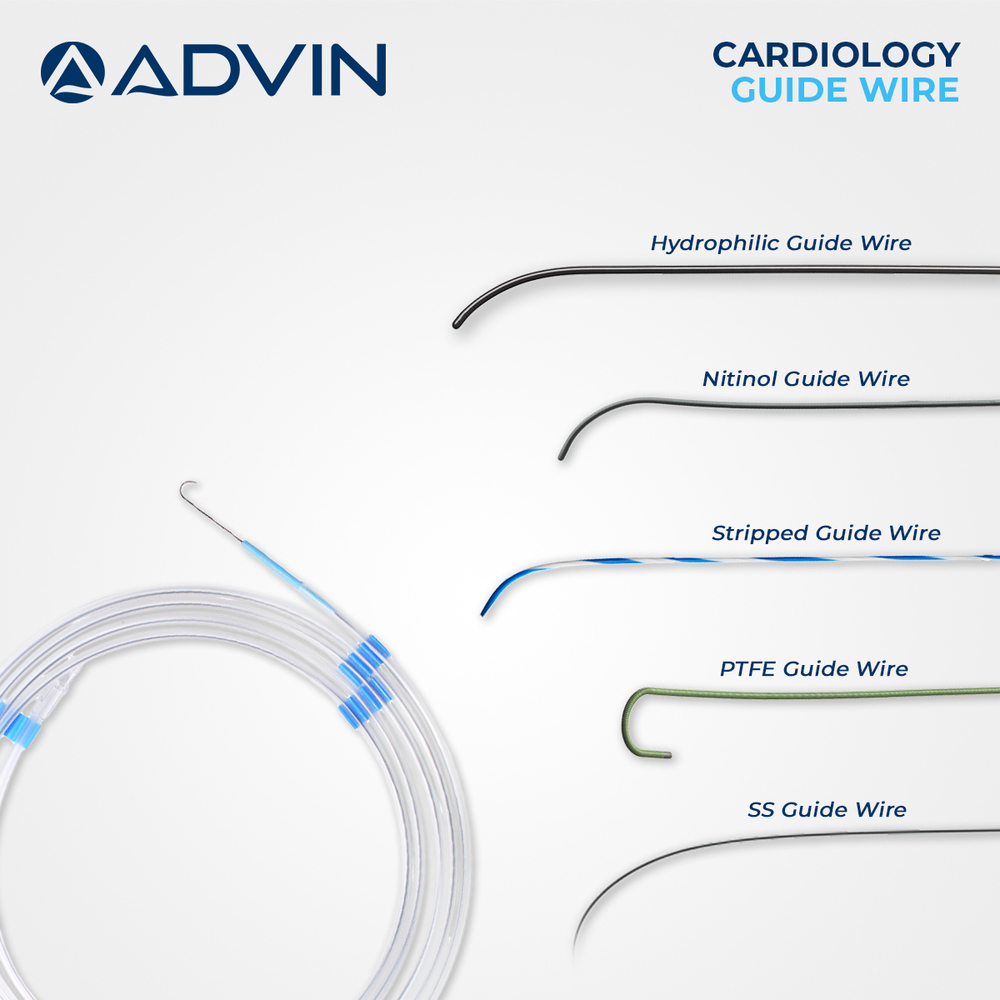
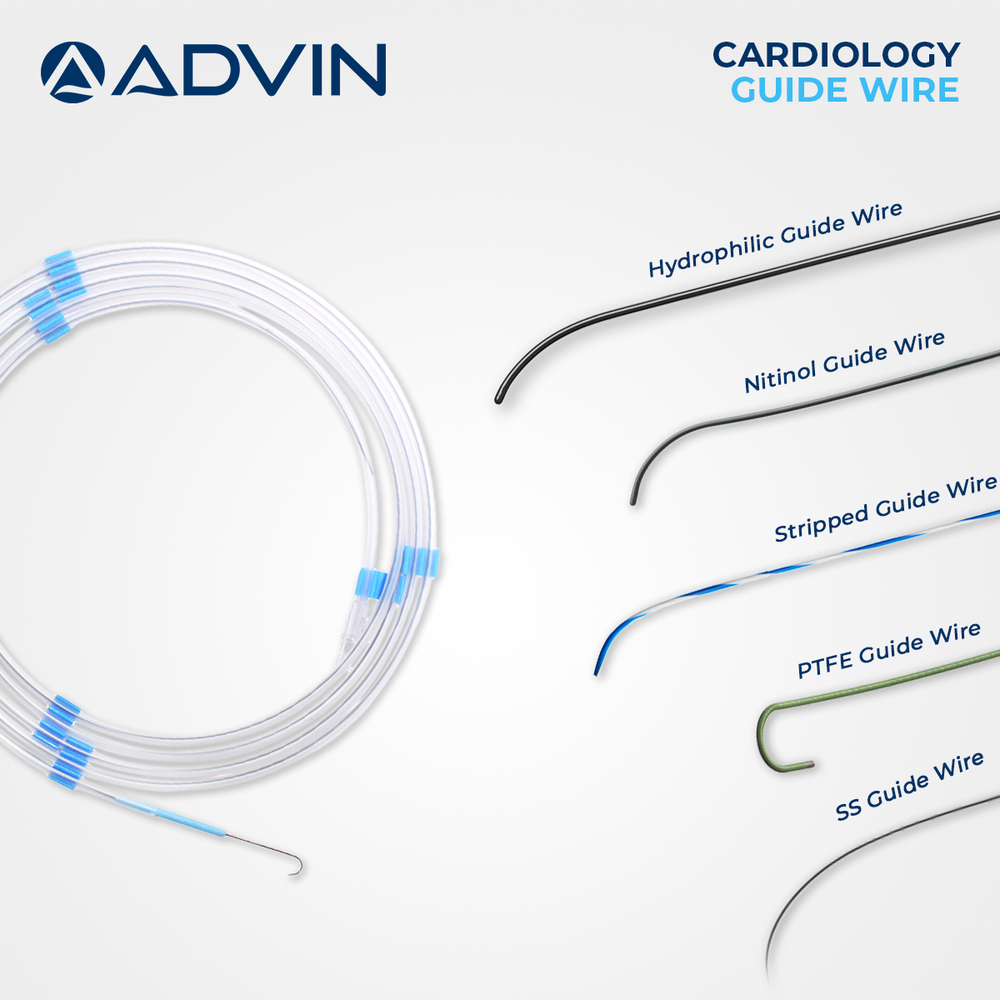
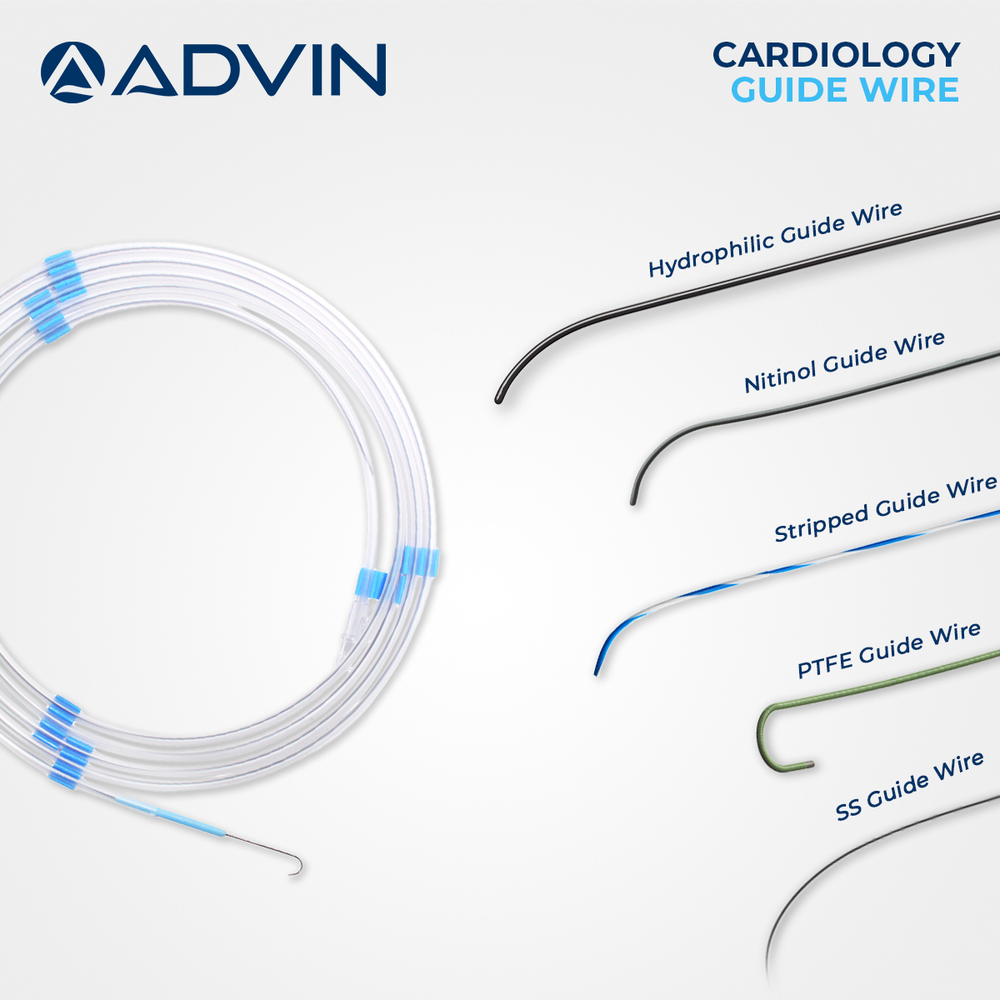
Versatile Tip Configurations and Material OptionsChoose from a variety of tip designs-straight, angled, or J-tip-according to procedural demands. Offered in high-tensile stainless steel, nitinol, and specialty coated types, these wires deliver optimal flexibility and support across cardiology and interventional applications.
Sterile, Ready-to-Use, and Certified SafeEach guide wire is supplied in individual sterile packaging, ensuring infection prevention and single-use safety. Compliance with ISO and CE standards guarantees quality and reliability for all interventional procedures, with a shelf life of 3 to 5 years when properly stored.
Enhanced Precision and RadiopacityAdvanced manufacturing and coating technologies provide a radiopaque profile under fluoroscopy, enabling accurate wire placement during procedures. With high precision control, the guide wire maintains exceptional maneuverability through vascular paths without kinking.
FAQ's of High Tensile Strength Guide Wire:
Q: How does the coating type affect guide wire performance?
A: The hydrophilic coating reduces friction, facilitating smoother movement through tortuous vascular paths, while the PTFE coating enhances durability and glide. Both options help minimize trauma to vessel walls and improve procedural efficiency.
Q: What tip configurations are available and when should each be used?
A: Guide wires come in straight, angled, and J-tip options. Straight tips allow for direct navigation in less complex anatomies, while angled and J-tip configurations help cross challenging lesions or navigate bifurcations during angioplasty and other interventions.
Q: Where can these guide wires be used clinically?
A: They are designed for use in angioplasty, peripheral and coronary interventions, and a variety of interventional cardiology procedures where precise vessel navigation and device support are required.
Q: What is the process for ensuring sterility and safety of the guide wires?
A: Every guide wire is individually packaged in a sterile environment and tested according to ISO and CE medical device standards. This rigorous process helps prevent contamination and maintains product readiness for immediate clinical use.
Q: How are the guide wires compatible with different catheters and devices?
A: Our guide wires are manufactured in various diameters (0.014-0.038) and lengths to ensure compatibility with a range of interventional catheters, balloons, and other medical devices commonly used in endovascular procedures.
Q: What are the benefits of radiopaque guide wires during procedures?
A: The radiopaque properties allow clear visualization under fluoroscopy, providing precise control and real-time feedback to clinicians, which increases procedural accuracy, safety, and patient outcomes.

 Send Inquiry





 Send Inquiry

 Send Inquiry
 English
 Spanish
 French
 German
 Italian
 Chinese (Simplified)
 Japanese
 Korean
 Arabic
 Portuguese