About Interventional Entry Port Sheath
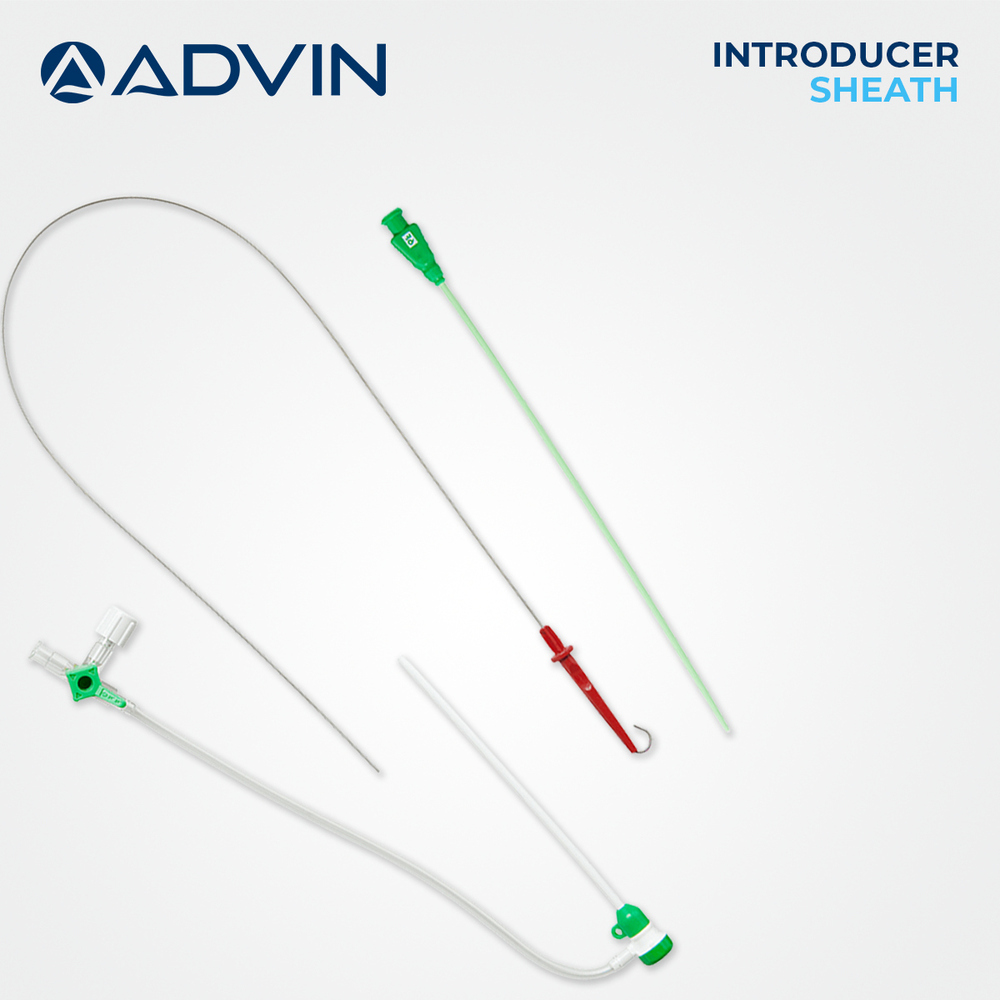
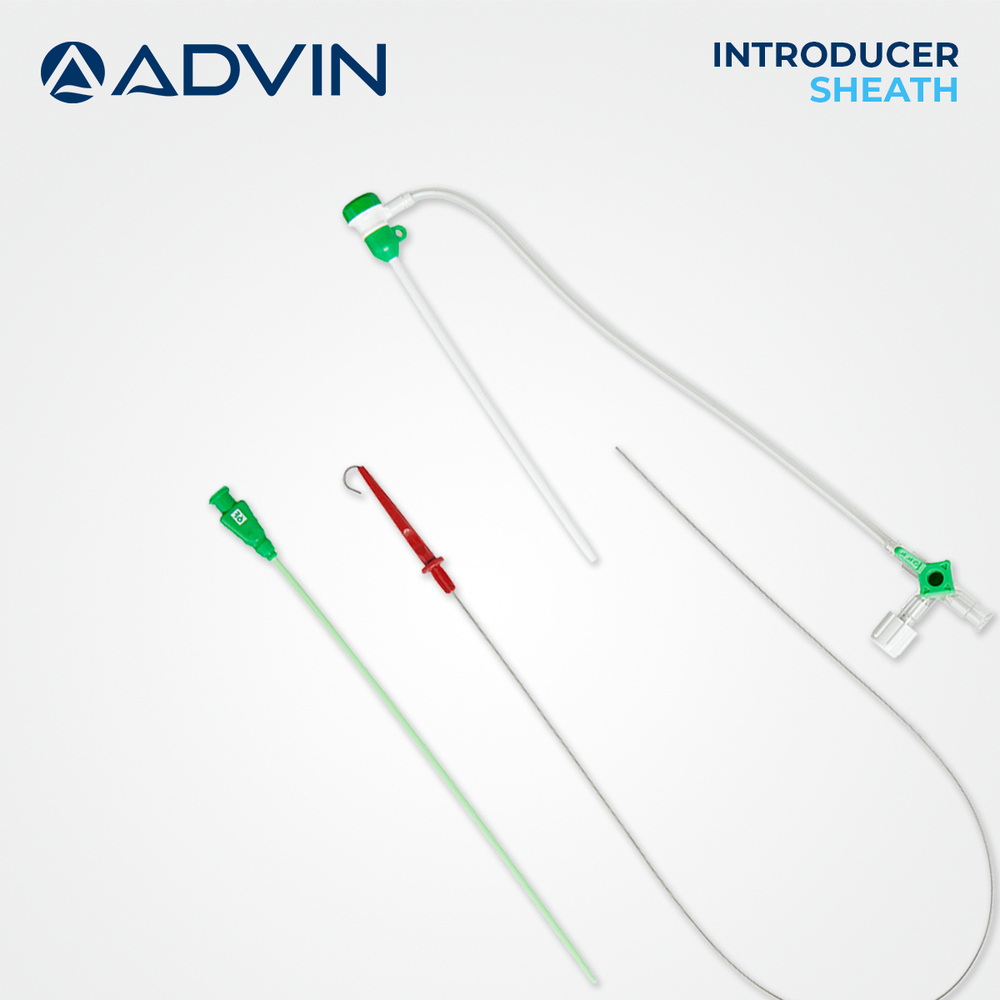
Advin Health Care Interventional Entry Port Sheath is designed to provide secure and efficient vascular access during interventional procedures. It enables smooth device insertion, controlled access, and reliable performance throughout the procedure.
Key Features:
- Designed for secure interventional entry and access
- Smooth insertion and withdrawal of devices
- Integrated entry port for efficient device management
- Hemostatic valve for controlled blood flow
- Provides stable access during procedures
- Compatible with standard interventional systems
Certifications:
CE, ISO 13485, ISO 9001 Certified
Product Keywords:
Interventional Entry Port Sheath, Introducer Sheath, Vascular Access Sheath, Hemostatic Sheath, Interventional Access Device
, , , , .
Vaina de puerto de entrada intervencionista, vaina introductora, vaina de acceso vascular, vaina hemosttica, dispositivo de acceso intervencionista
Gaine d'introduction pour voie d'abord interventionnelle, gaine d'introduction, gaine d'accs vasculaire, gaine hmostatique, dispositif d'accs interventionnel
Engineered for Safety and PrecisionDesigned with a soft, atraumatic tip, the sheath minimizes vessel injury during vascular access. Radiopaque markers provide clear visualization under X-ray, ensuring accurate placement for a variety of interventional or diagnostic procedures. The smooth, flexible shaft facilitates easy insertion, enhancing procedural efficiency and patient comfort.
Versatile Compatibility and Ease of UseThis sheath supports a range of French sizes (4F-14F) and is bundled with an accessory dilator for seamless vessel entry. Its guidewire compatibility and color-coded Luer lock hub make it user-friendly for healthcare professionals, simplifying identification and connection. The sheath's latex-free construction ensures safety for sensitive patients.
Portability and Sterile AssuranceEach product is lightweight and individually packed in a blister pack, preserving sterility with ETO sterilization. Its compact, portable design suits both hospital and outpatient settings. With a shelf life of three to five years, storage in a cool, dry location maintains its integrity for future use.
FAQ's of Interventional Entry Port Sheath:
Q: How is the Interventional Entry Port Sheath sterilized and packaged for use?
A: The sheath is sterilized using ethylene oxide (ETO) and individually packed in a blister pack. This ensures it remains sterile and ready for immediate use upon opening, minimizing infection risk during procedures.
Q: What procedures and vessels is this entry port sheath intended for?
A: It is designed for vascular access in diagnostic or interventional procedures. The sheath facilitates smooth entry into blood vessels, allowing clinicians to introduce catheters and other instruments safely and efficiently.
Q: When should clinicians select different French sizes of the sheath?
A: The chosen size (4F-14F) depends on the specific procedure, patient anatomy, and device requirements. Smaller sizes may suit pediatric or delicate vessels, while larger sizes accommodate more complex interventions or larger devices.
Q: Where can this sheath be used and how portable is it?
A: This lightweight and portable sheath is suitable for hospitals, clinics, and outpatient interventional suites. Its compact, sealed packaging supports usage in both fixed and mobile medical environments.
Q: What is the process for using the sheath with its included accessories?
A: After achieving vascular access with a guidewire, the dilator and sheath are advanced over the guidewire into the vessel. The dilator and guidewire are then withdrawn, leaving the sheath in place for instrument introduction.
Q: What are the benefits of the sheath's radiopaque markers and color-coded hub?
A: Radiopaque markers enhance visibility during X-ray imaging, aiding in precise placement. The color-coded Luer lock hub simplifies size identification and provides a secure, reliable connection for medical instruments.
Q: How should the sheath be stored to maintain its shelf life and integrity?
A: Store the sheath in a cool, dry environment, protected from direct sunlight. Proper storage ensures the product's sterility and functionality for three to five years from the manufacturing date.

 Send Inquiry



 Send Inquiry

 Send Inquiry
 English
 Spanish
 French
 German
 Italian
 Chinese (Simplified)
 Japanese
 Korean
 Arabic
 Portuguese