About Interventional Septal Entry Device
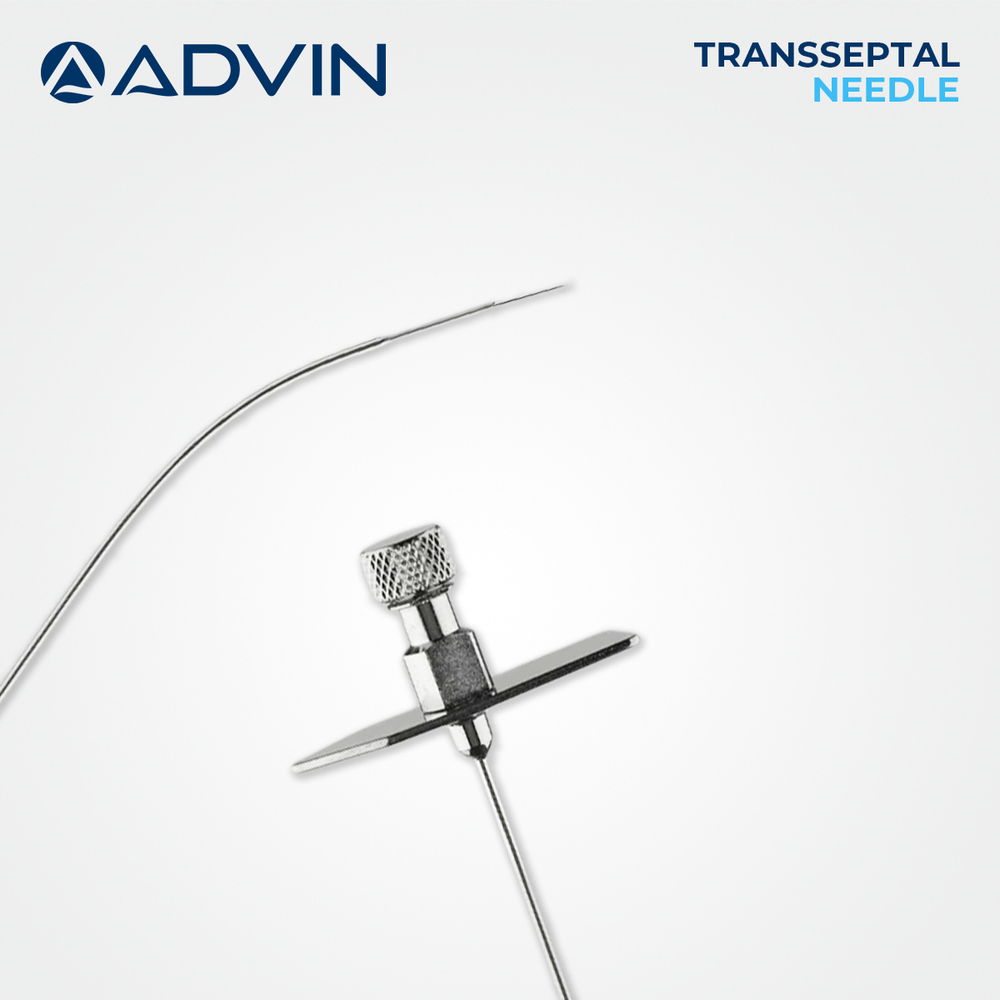
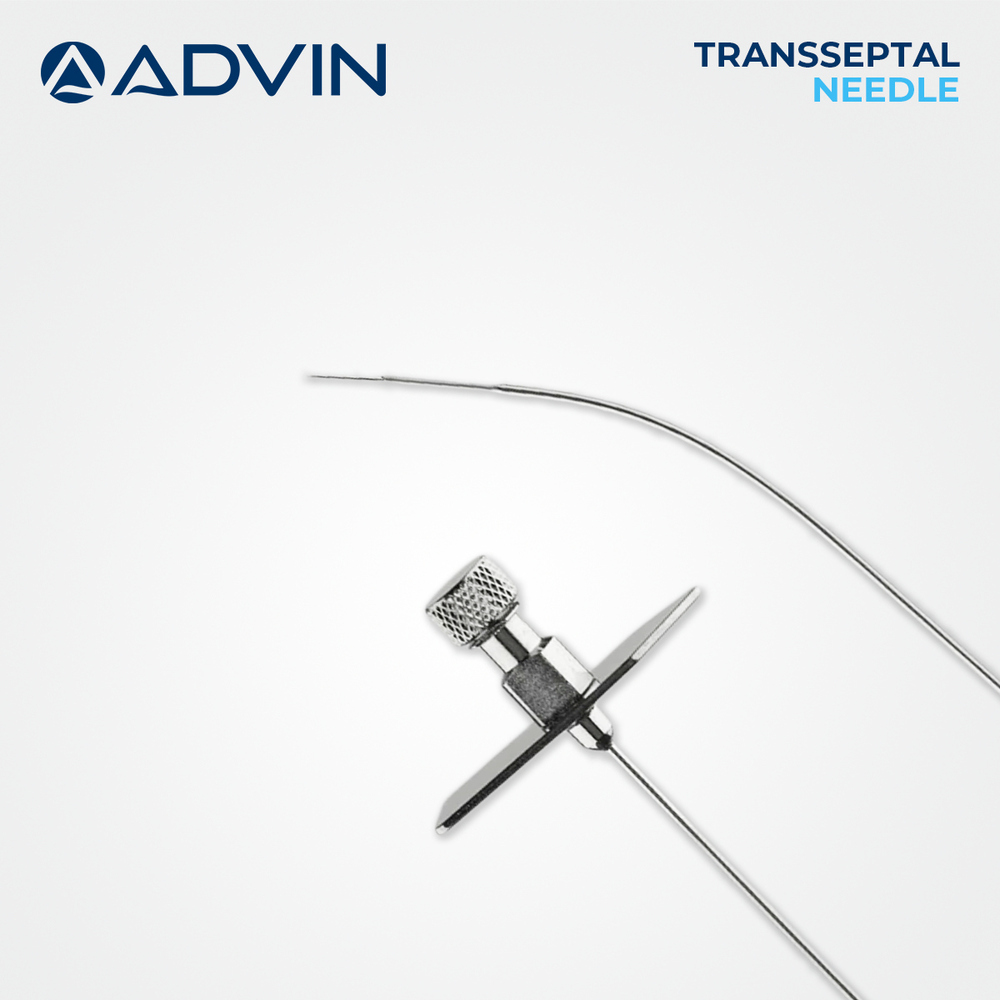
Advin Health Care Interventional Septal Entry Device is designed to provide safe and accurate access across the interatrial septum during interventional procedures. It enables controlled puncture, smooth advancement, and reliable performance for transseptal interventions.
Key Features:
- Designed for precise septal entry and access
- Controlled puncture for safe navigation
- Smooth advancement for improved handling
- Compatible with transseptal access systems
- Reliable and consistent procedural performance
Certifications:
CE, ISO 13485, ISO 9001 Certified
Product Keywords:
Interventional Septal Entry Device, Transseptal Access Device, Septal Puncture System, Cardiac Access Tool, Interatrial Access Device
, , , , .
Dispositivo de entrada septal intervencionista, dispositivo de acceso transseptal, sistema de puncin septal, herramienta de acceso cardaco, dispositivo de acceso interauricular
Dispositif d'accs septal interventionnel, dispositif d'accs transseptal, systme de ponction septale, outil d'accs cardiaque, dispositif d'accs interauriculaire
Precision and Control for Cardiac ProceduresExperience exceptional precision during transseptal punctures with a device crafted from medical-grade stainless steel. The ergonomic, rotating handle enables smoother manipulation, ensuring controlled entry during cardiac catheterization. High-contrast markings provide excellent visibility, supporting accurate use in critical heart entry procedures.
Versatility and Operator ComfortChoose from 18G or 21G needle gauges and a range of needle lengths, tailored to diverse procedural requirements. The lightweight, portable design paired with an ergonomic grip makes extended procedures more comfortable, reducing operator fatigue while maintaining exacting standards of care.
Safety and Compatibility AssuredEach needle is ethylene oxide sterilized and single-use, packaged in a sterile pouch to prevent infection risk. Designed with a standard Luer Lock connection, it integrates seamlessly with most sheaths and introducers, supporting a wide range of clinical setups and procedural protocols.
FAQ's of Interventional Septal Entry Device:
Q: How is the Interventional Septal Entry Device used during cardiac catheterization procedures?
A: The device is employed for transseptal puncture, allowing access to the left atrium by crossing the atrial septum. It is inserted via standard sheaths and introducers with manual control, and the sharp precision tip enables effective and safe septal entry under real-time monitoring.
Q: What needle gauge and length options are available for different procedural needs?
A: The device is offered in 18G and 21G needle gauges, and comes in multiple lengths. This range enables clinicians to select the appropriate configuration based on patient anatomy and procedure complexity, ensuring optimal access and safety.
Q: When should cardiologists and interventional radiologists choose this transseptal entry device?
A: This device is suitable when high precision, operator comfort, and compatibility with standard introducer equipment are priorities during left atrial access procedures. Its ergonomic design and sharp needle tip make it ideal for routine and advanced interventional cardiology cases.
Q: Where does this needle demonstrate maximum compatibility?
A: Featuring a standard Luer Lock connector, it fits seamlessly with widely-used sheaths and introducers, making it a versatile choice for various clinical labs and hospital settings across India and internationally.
Q: What are the benefits of the ergonomic, rotating handle design?
A: The ergonomic handle allows for improved grip and rotation, facilitating precise control during the puncture process and reducing hand fatigue during lengthy or complex interventions.
Q: How should the device be stored to maintain sterility and shelf life?
A: To ensure the device remains sterile and effective for up to 5 years, it should be stored in a cool, dry place, away from direct sunlight and handling before use, as specified in the packaging instructions.

 Send Inquiry




 Send Inquiry

 Send Inquiry
 English
 Spanish
 French
 German
 Italian
 Chinese (Simplified)
 Japanese
 Korean
 Arabic
 Portuguese