
Call: 07315121789
 Send Inquiry
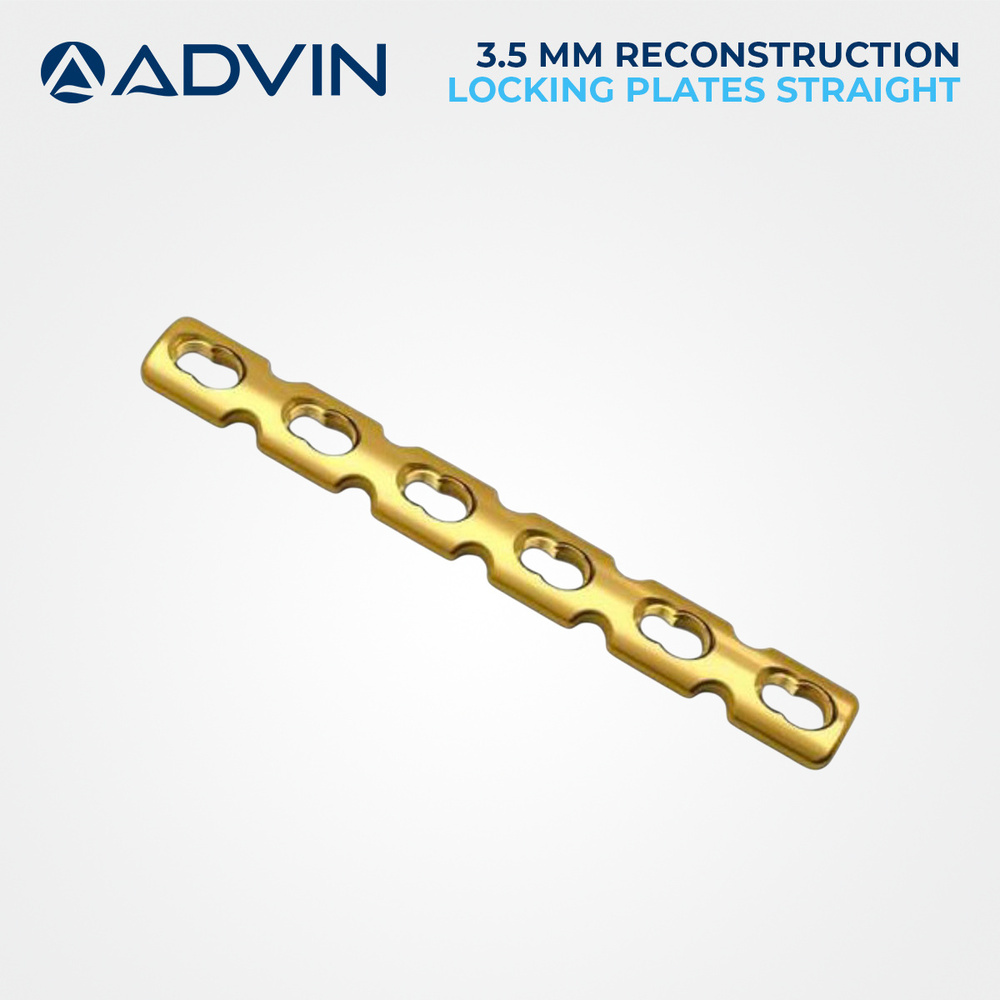
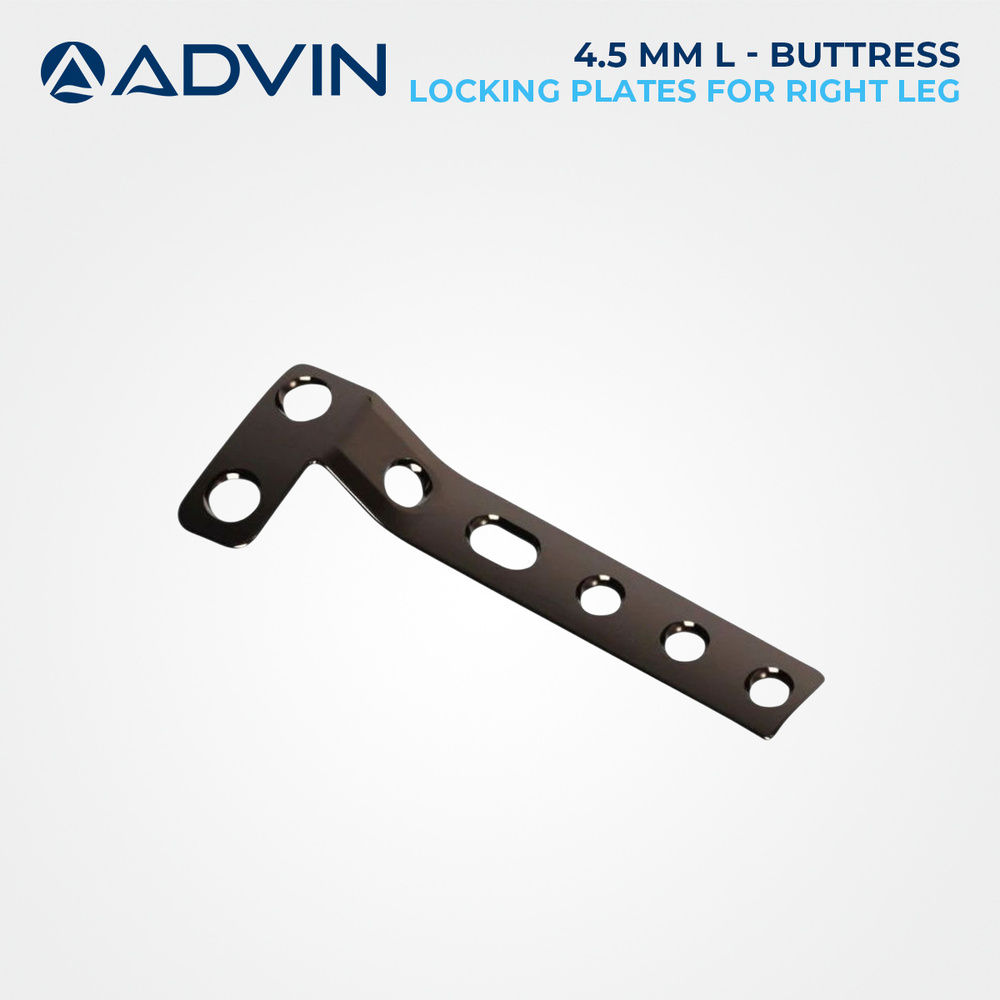
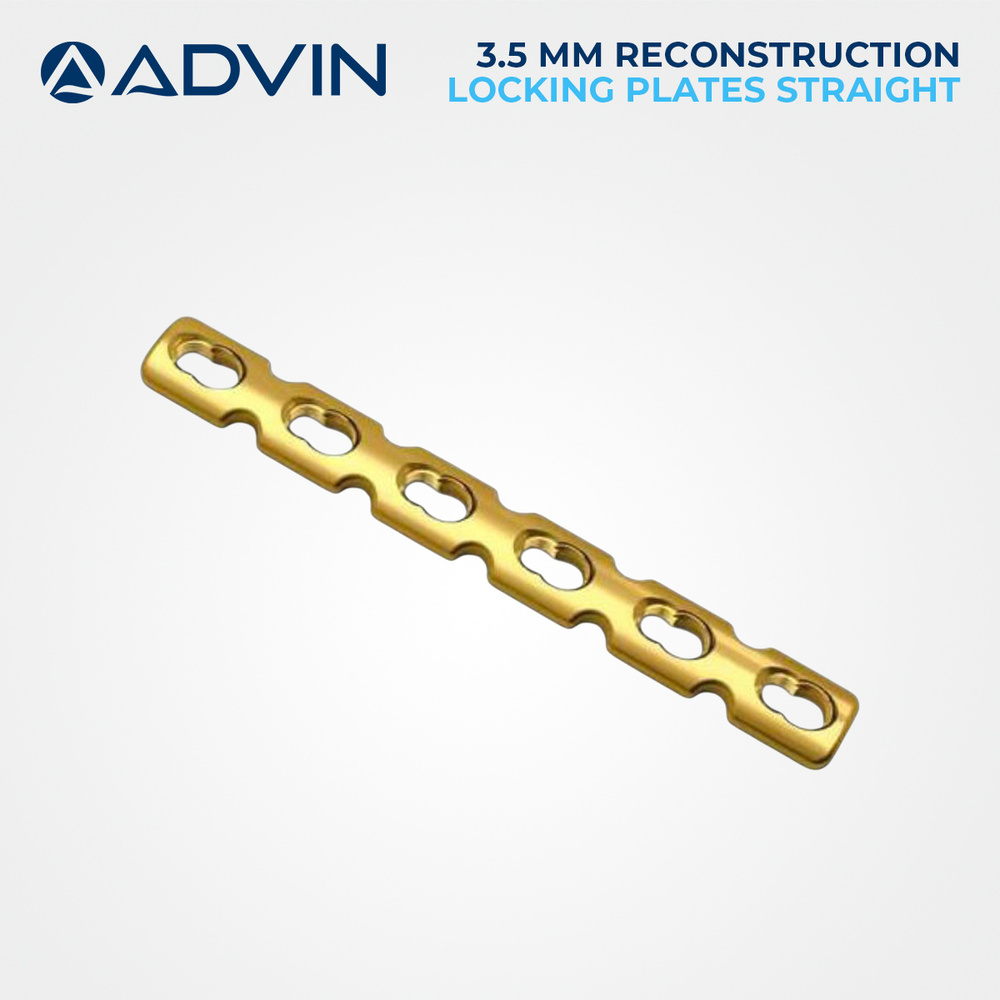
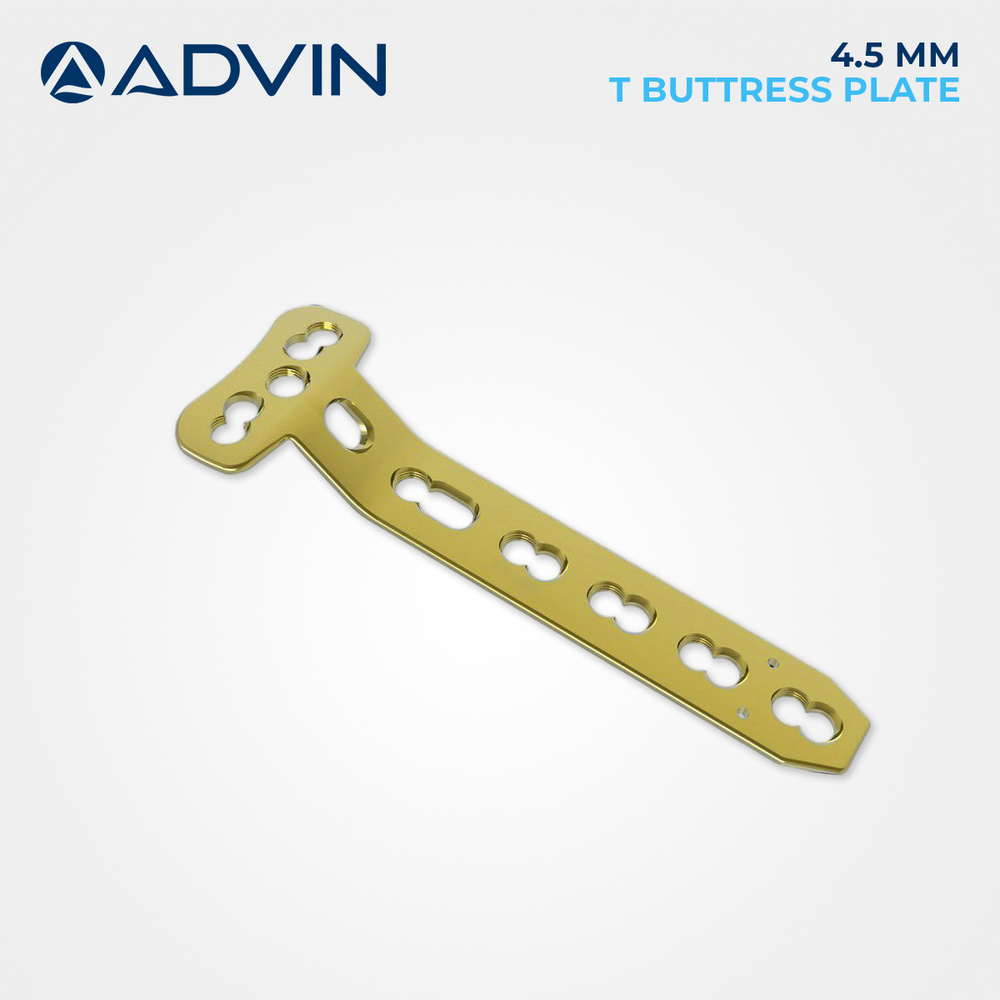
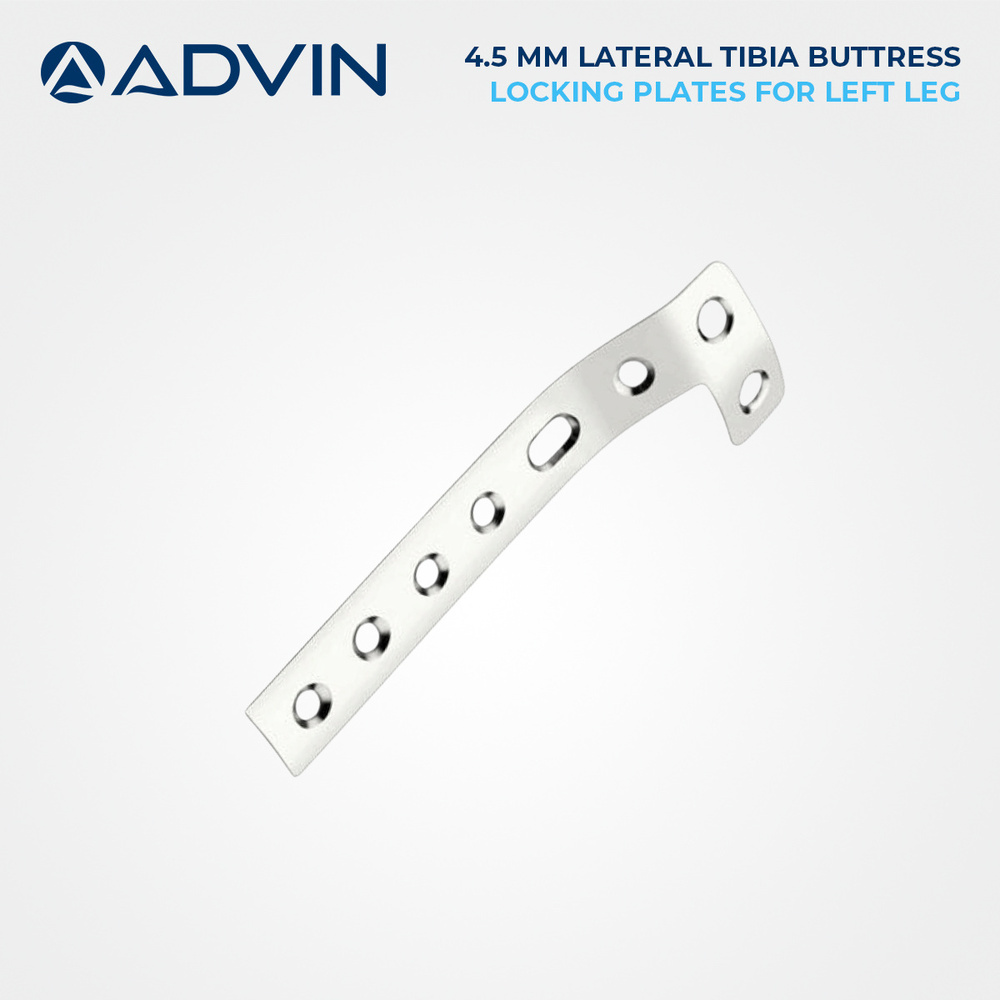
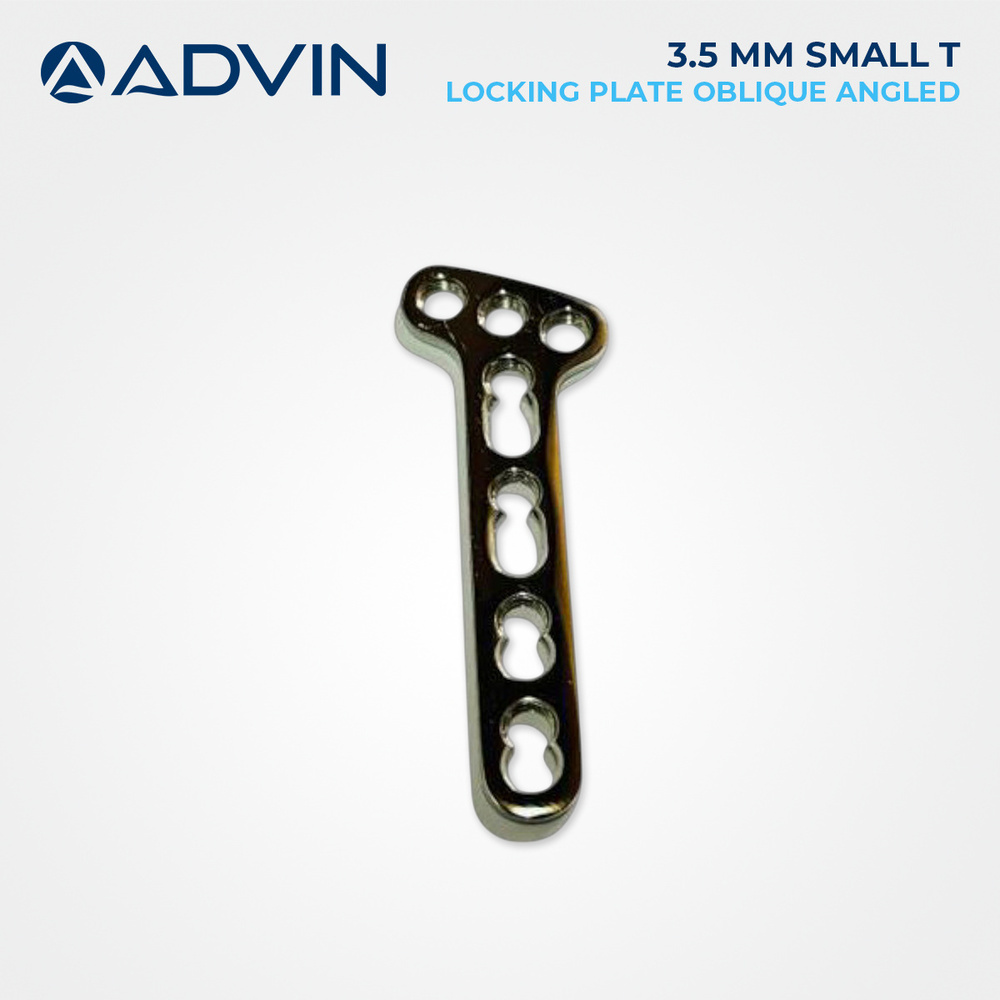
Locking Plates are widely used in orthopedic trauma surgeries for the fixation of complex fractures where traditional plates may not provide sufficient stability. Manufactured from high-quality surgical-grade stainless steel, they ensure strength, durability, and biocompatibility. Advin Health Care offers these plates to help surgeons achieve precise and stable fixation, particularly in cases of osteoporotic bone or comminuted fractures. The locking mechanism between the plate and screw eliminates the need for plate-to-bone compression, reducing the risk of loosening. These plates are available in various anatomical designs for different bones, making them highly versatile in trauma orthopedic applications.
Advanced Features:
High-strength surgical-grade stainless steel construction
Locking mechanism for secure screw-plate fixation
Provides stability even in osteoporotic and comminuted bone
Available in anatomical shapes for different bones
Reliable, durable, and versatile for trauma orthopedic surgery

Price:
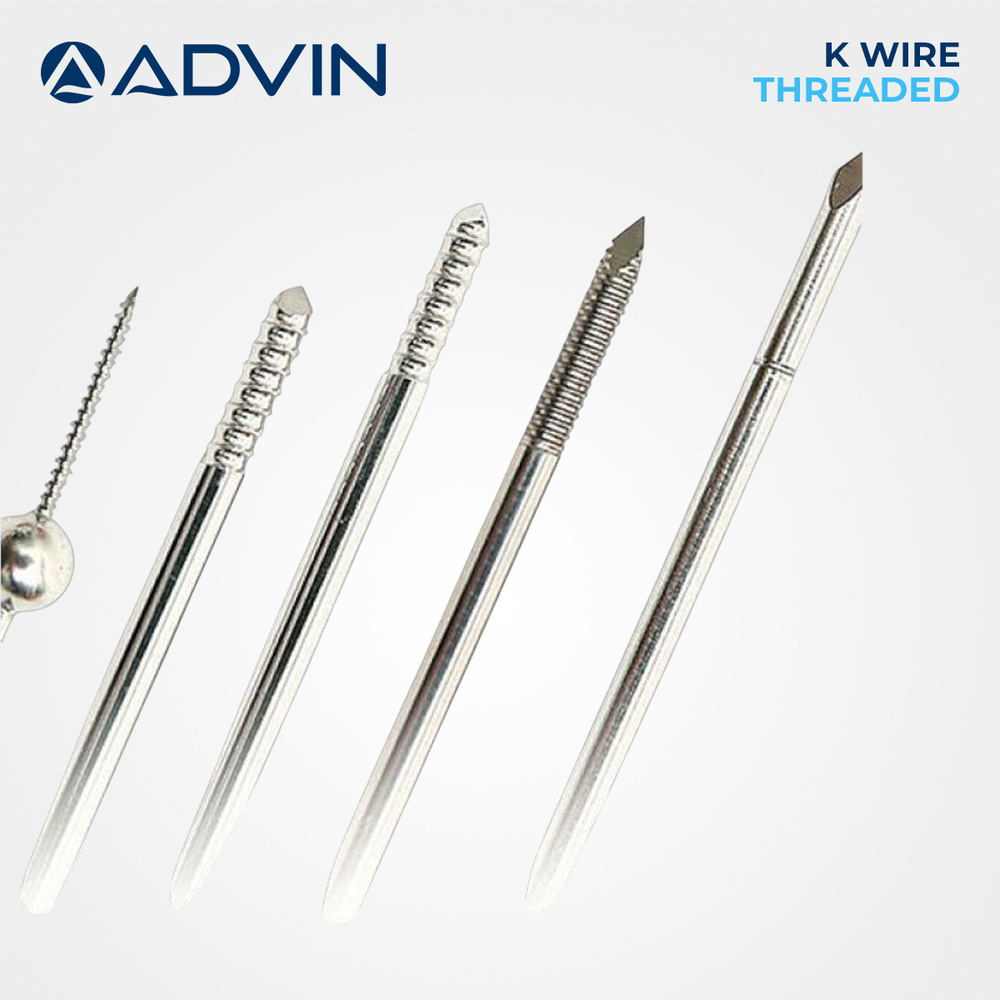
Price 3 USD ($) / Piece
Minimum Order Quantity : 1 Piece
Instruments Type : Surgical Orthopedic Implant
Equipment Type : Threaded K Wire
Condition : New
Material : Other, Stainless Steel (Surgical Grade)
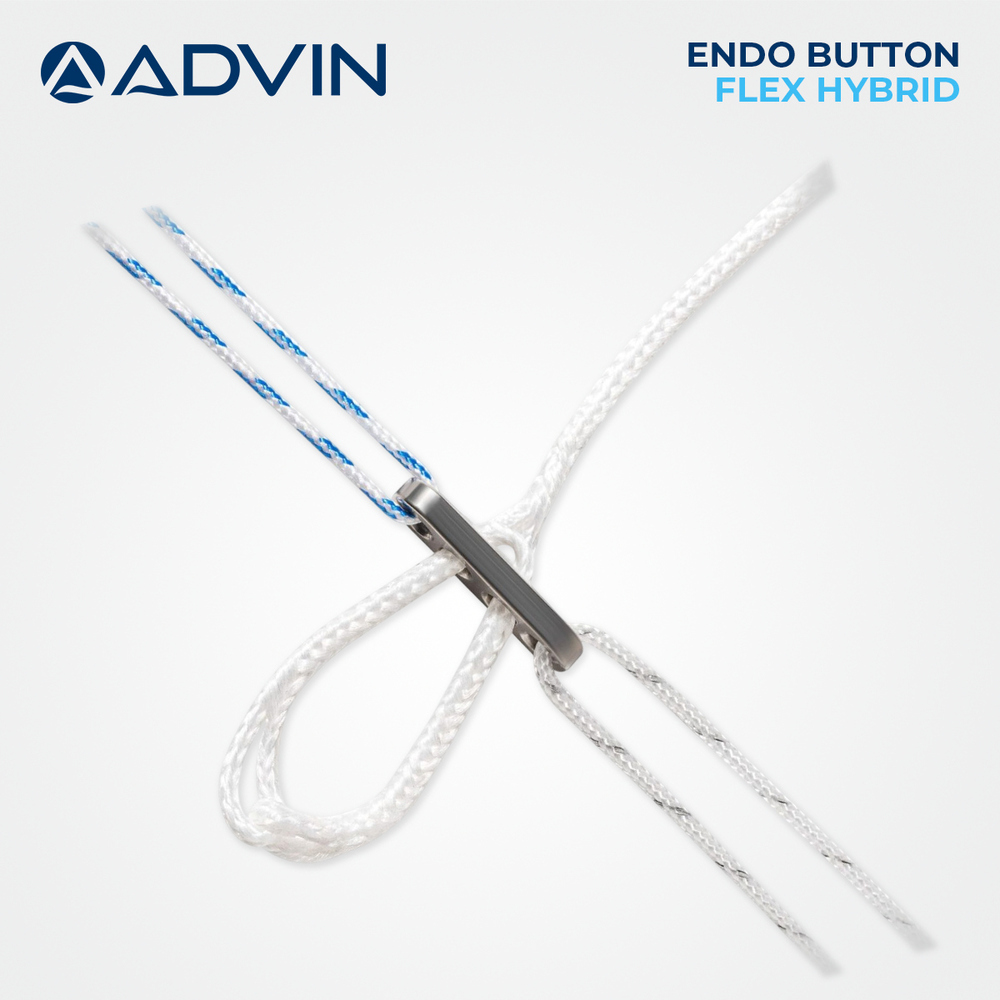
Price 4 USD ($) / Piece
Minimum Order Quantity : 1 Piece
Instruments Type : Orthopedic Surgical Implant
Equipment Type : ACL Fixation Device
Condition : New
Material : Other, Titanium Alloy
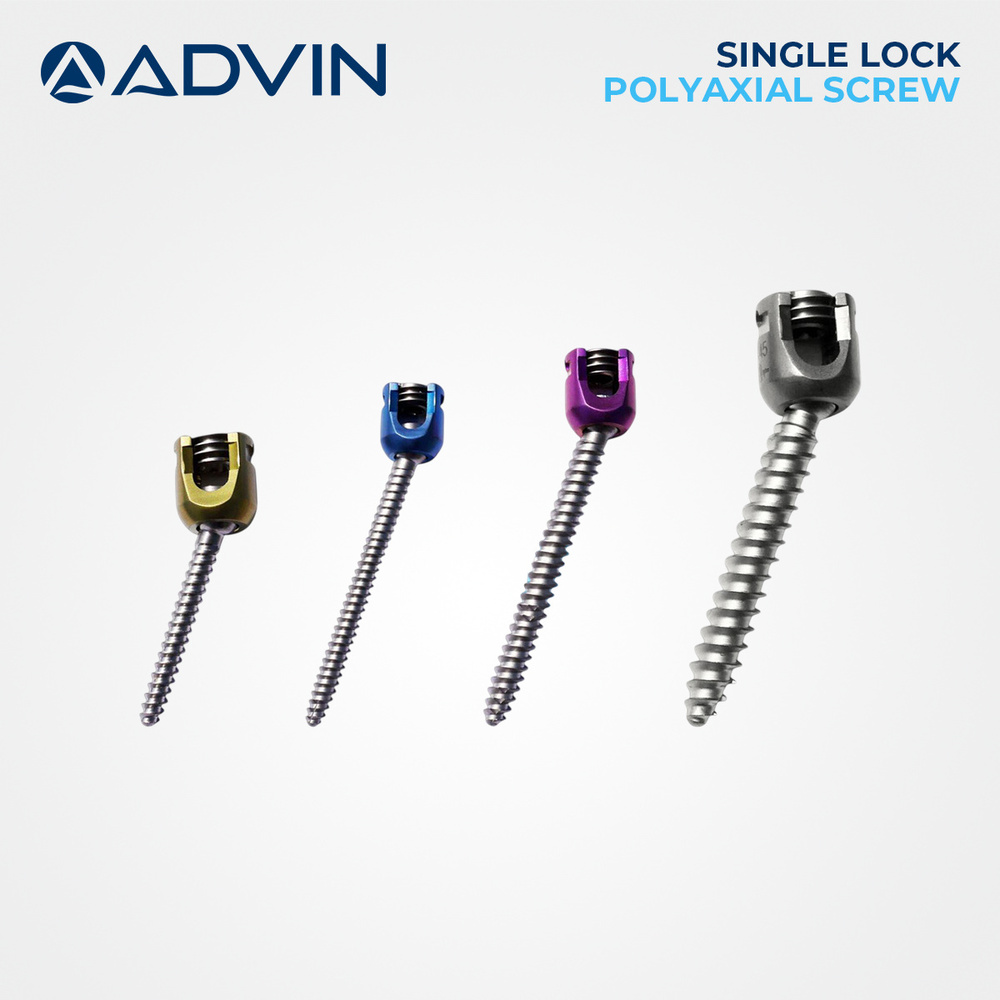
Price 3 USD ($) / Piece
Minimum Order Quantity : 1 Piece
Instruments Type : Orthopedic Implant
Equipment Type : Trauma Polyaxial Screw
Condition : New
Material : Other, Titanium or Stainless Steel
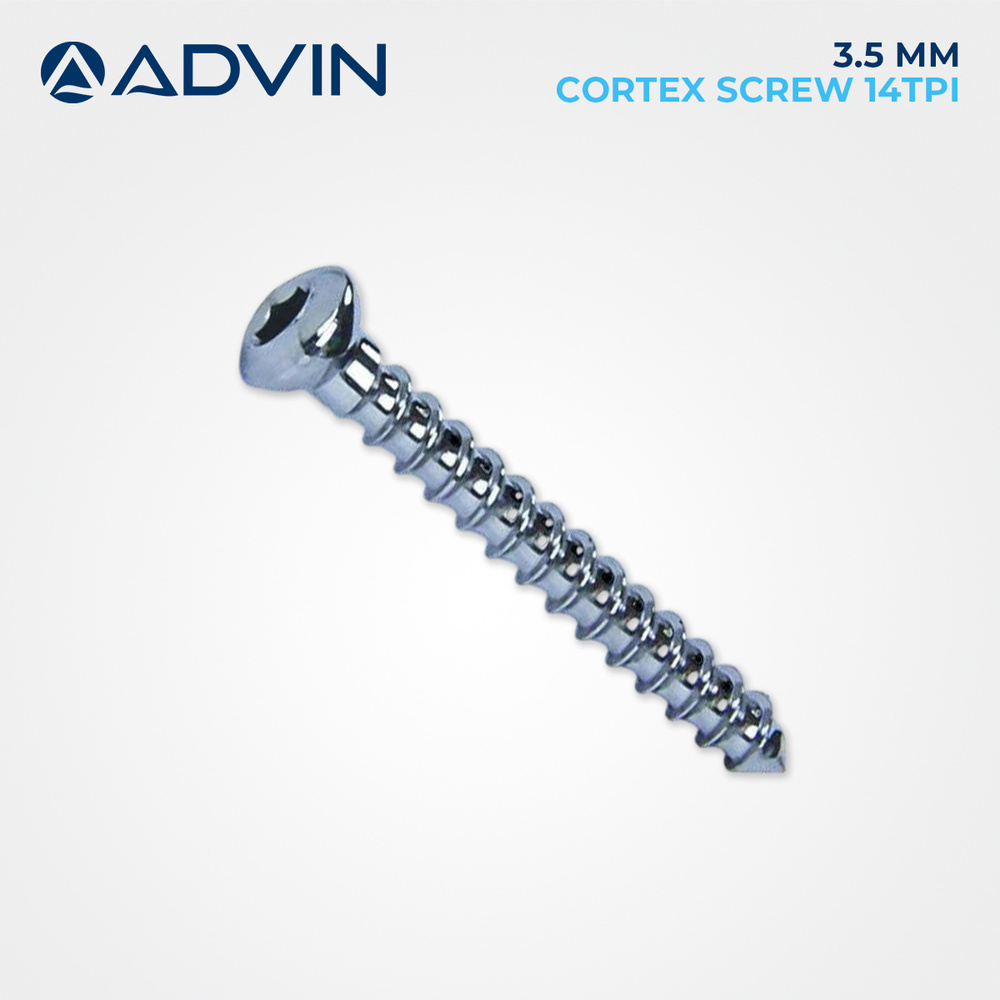
Price 3 USD ($) / Piece
Minimum Order Quantity : 1 Piece
Instruments Type : Surgical implant
Equipment Type : Fracture Fixation Implant
Condition : New
Material : Other, Medical grade stainless steel / Titanium alloy
GST : 24CTVPS5589L1ZE


 Send Inquiry

 Send Inquiry
 English
 Spanish
 French
 German
 Italian
 Chinese (Simplified)
 Japanese
 Korean
 Arabic
 Portuguese