About Low Friction Guide Wire
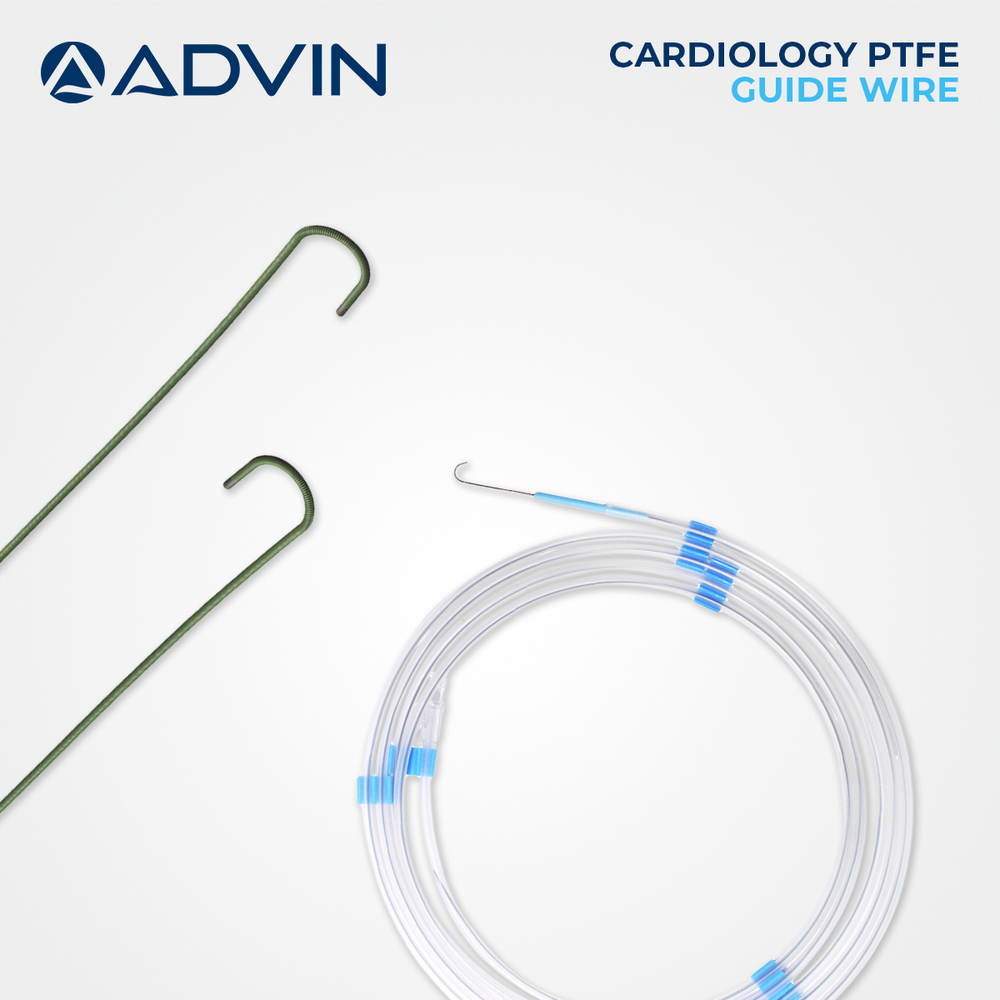
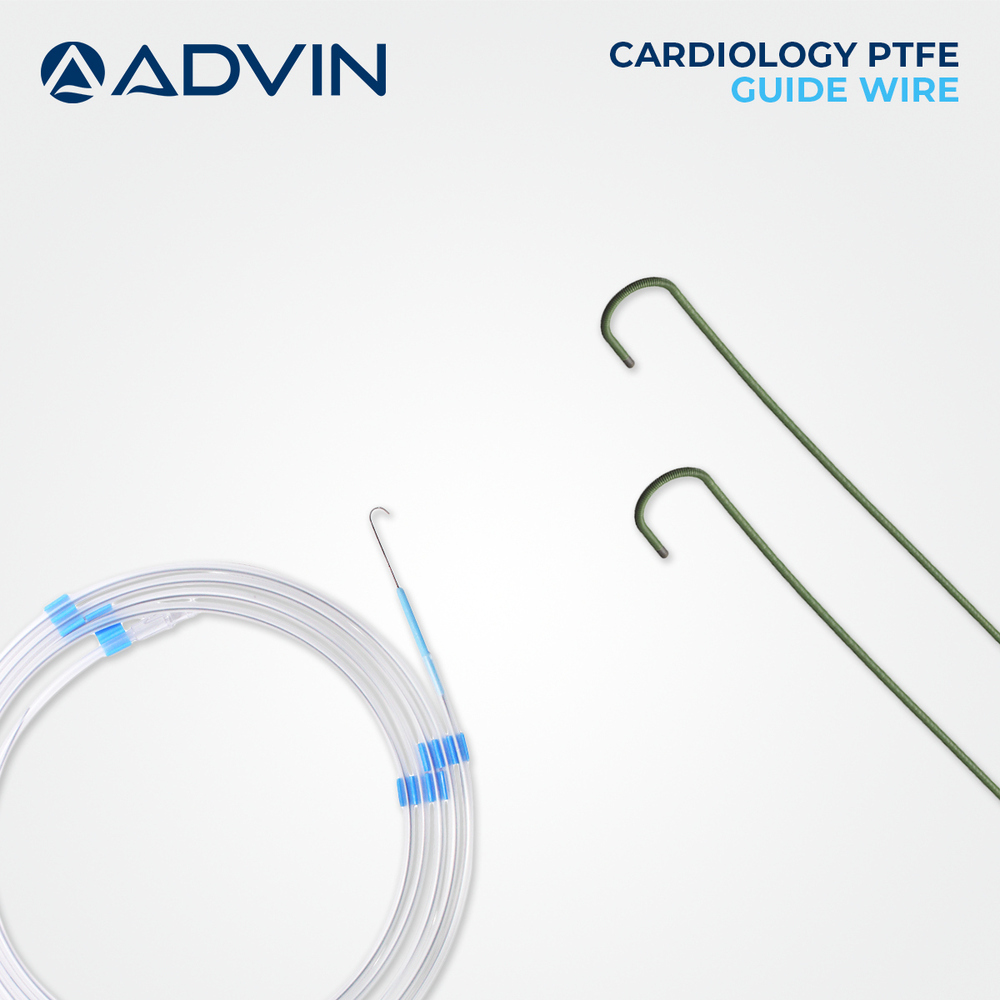
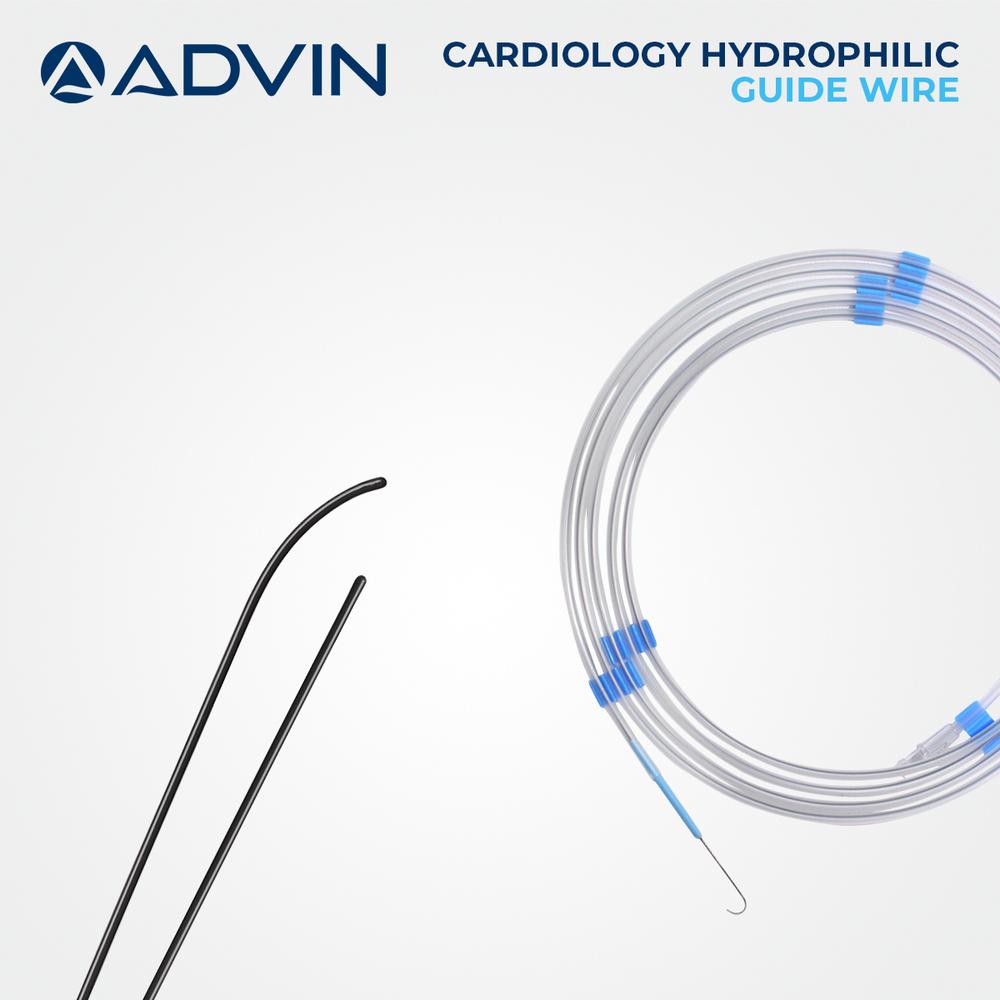
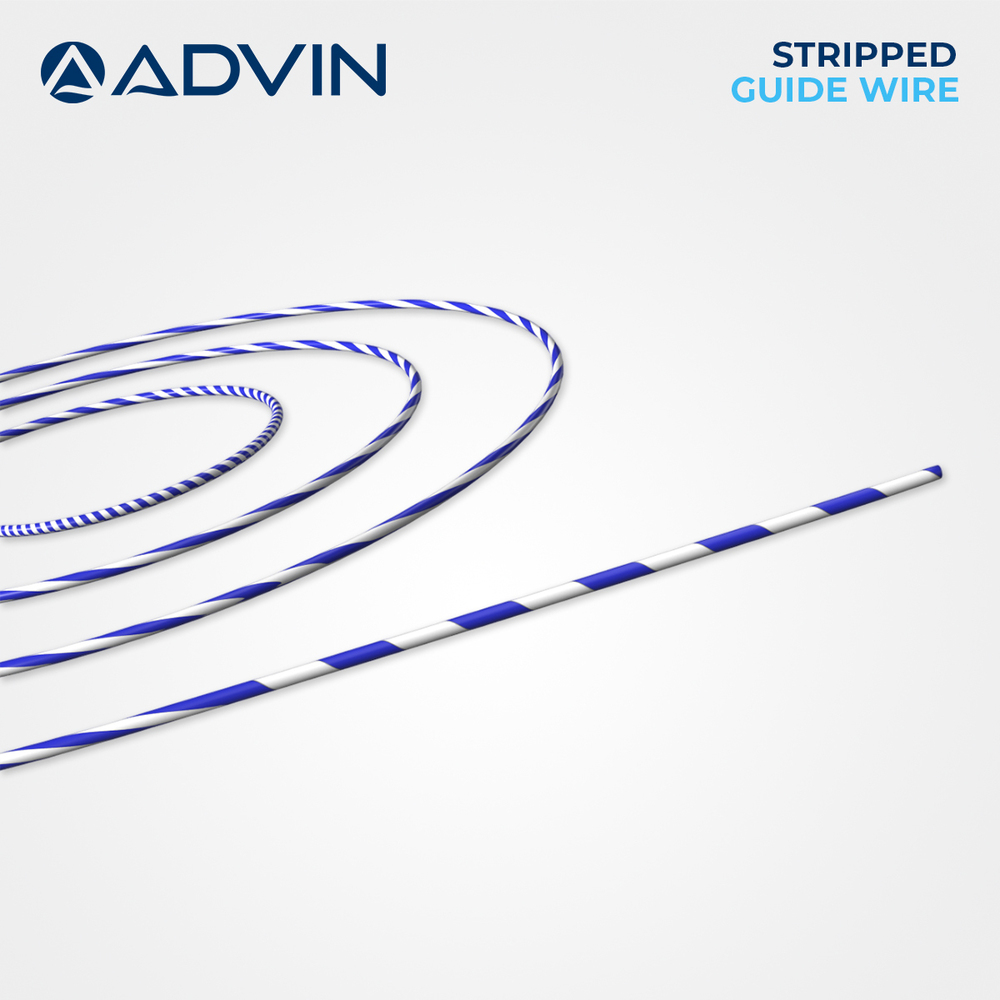
Advin Health Care Low Friction Guide Wire is designed to provide smooth navigation through complex vascular pathways during interventional procedures. Its advanced coating reduces friction, enabling precise control and easy crossing of lesions.
Key Features
- Low friction surface for smooth navigation
- Excellent trackability and flexibility
- Soft atraumatic tip for vessel safety
- Compatible with standard catheters
Specifications
- Type: Low Friction Guide Wire
- Material: Stainless steel / nitinol core with coated surface
- Coating: Hydrophilic / PTFE (variant dependent)
- Size: Standard diameters and lengths available
- Sterilization: EO Sterilized
- Usage: Single-use / Disposable
Certifications
CE, ISO 13485, ISO 9001 Certified
Product Keywords
Low Friction Guide Wire, Hydrophilic Guidewire, PTCA Guide Wire, Coronary Guide Wire, Interventional Guide Wire
, , , ,
Gua de baja friccin, gua hidroflica, gua para PTCA, gua coronaria, gua intervencionista
Fil guide faible friction, fil guide hydrophile, fil guide pour angioplastie coronaire transluminale percutane (ACTP), fil guide coronaire, fil guide interventionnel
Optimized Flexibility and ControlDesigned with advanced PTFE material and a hydrophilic coating, the guide wire delivers the right balance between flexibility and stiffness. Its kink resistant nature and high torque control ensure seamless maneuverability through complex vasculature, minimizing the risk of vessel trauma during catheterization.
Radiopacity for Reliable VisualizationIncorporating radiopaque elements, this guide wire enhances visibility under fluoroscopy. Healthcare professionals can track and guide the wire precisely, improving procedure accuracy and safety. This feature supports confident navigation, particularly in intricate vascular pathways.
Sterile, Single-Use PackagingEvery guide wire is EO sterilized and individually packed to maintain strict hygiene standards. Packaged for single use, it minimizes cross-contamination risks and supports best practices in clinical environments. The guide wire has a shelf life of five years when stored properly.
FAQ's of Low Friction Guide Wire:
Q: How does the low friction PTFE coating benefit the guide wire's performance?
A: The low friction PTFE coating reduces surface resistance, allowing the guide wire to glide smoothly through blood vessels. This minimizes trauma to vessel walls and enhances navigation efficiency during catheterization.
Q: What are the available tip styles and how do they aid in different procedures?
A: The guide wire is available with straight and J-tip options. Straight tips are ideal for direct vessel access, while J-tip wires help reduce the risk of vessel trauma and are beneficial in traversing tortuous or difficult-to-navigate vasculature.
Q: When should this guide wire be used and by whom?
A: This guide wire is intended for use during cardiology and vascular procedures by qualified healthcare professionals, such as interventional cardiologists. It is designed for single use only to ensure sterility and optimal patient safety.
Q: Where should the guide wire be stored to preserve its quality?
A: Store the guide wire in a cool, dry place away from direct sunlight to maintain its sterility and preserve the integrity of the PTFE coating. Proper storage helps ensure the product's five-year shelf life.
Q: What is the process of using the guide wire during catheterization?
A: The sterile guide wire is manually inserted into the vasculature to serve as a pathway for the catheter. Its advanced coating and flexible design facilitate smooth navigation, while the radiopaque feature allows real-time monitoring under fluoroscopy.
Q: What are the main benefits of using this guide wire in vascular interventions?
A: The guide wire offers high guidance precision, kink resistance, and hydrophilic low friction properties, making it easier to navigate complex vessels. Its radiopacity, sterility, and compatibility with standard catheters further enhance procedural safety and efficiency.

 Send Inquiry



 Send Inquiry

 Send Inquiry
 English
 Spanish
 French
 German
 Italian
 Chinese (Simplified)
 Japanese
 Korean
 Arabic
 Portuguese