About Nitinol Guide Wires
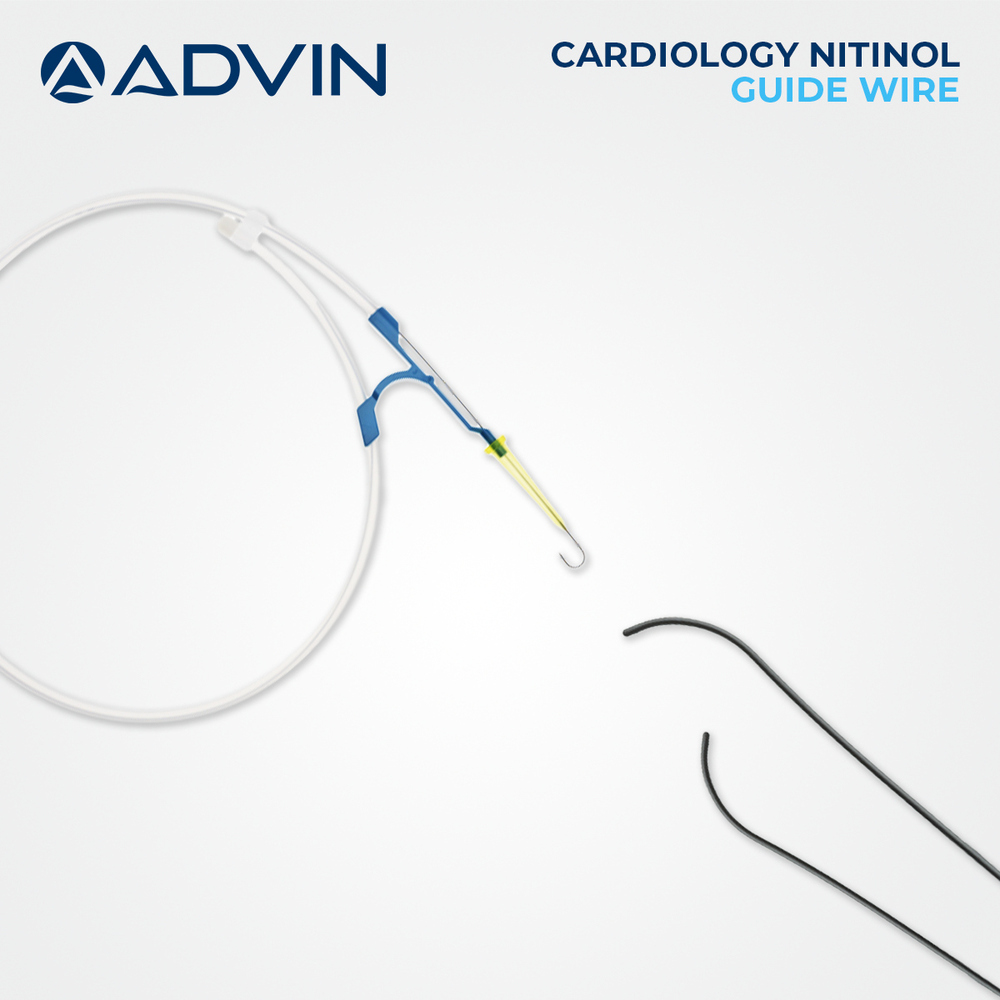
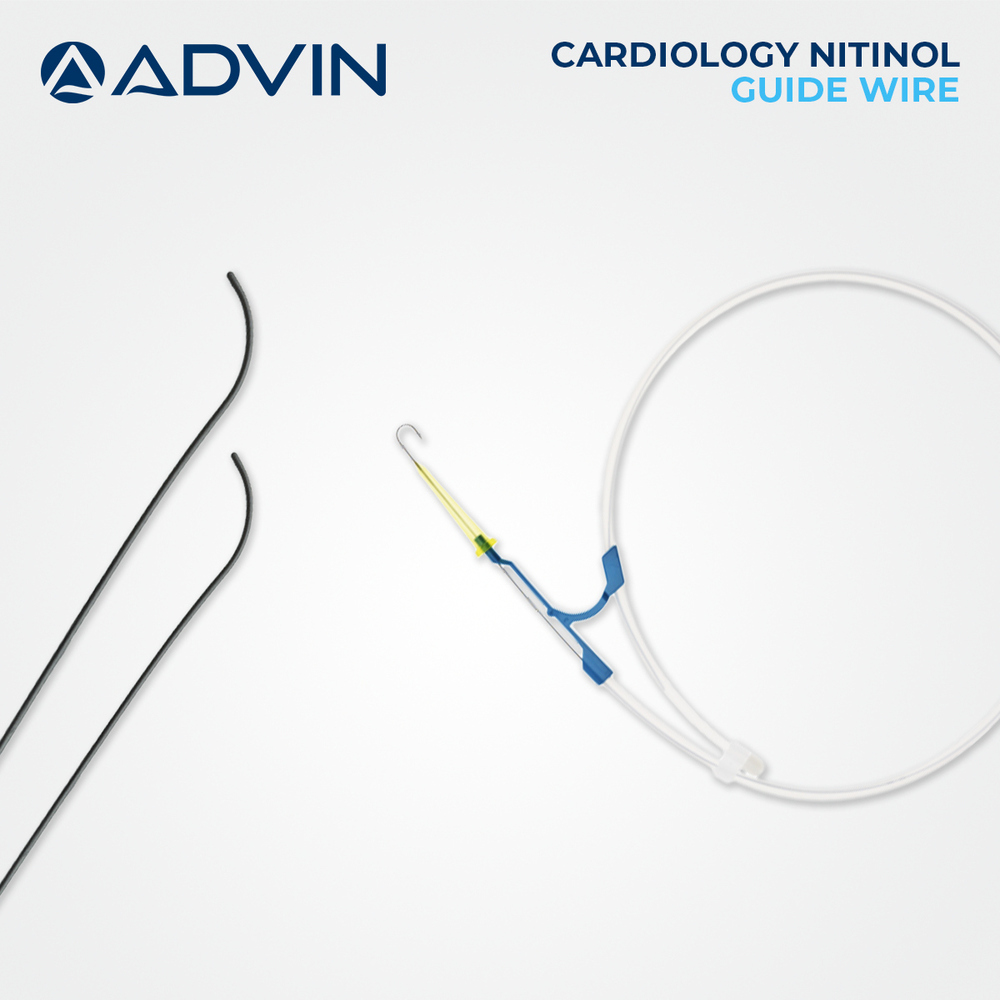
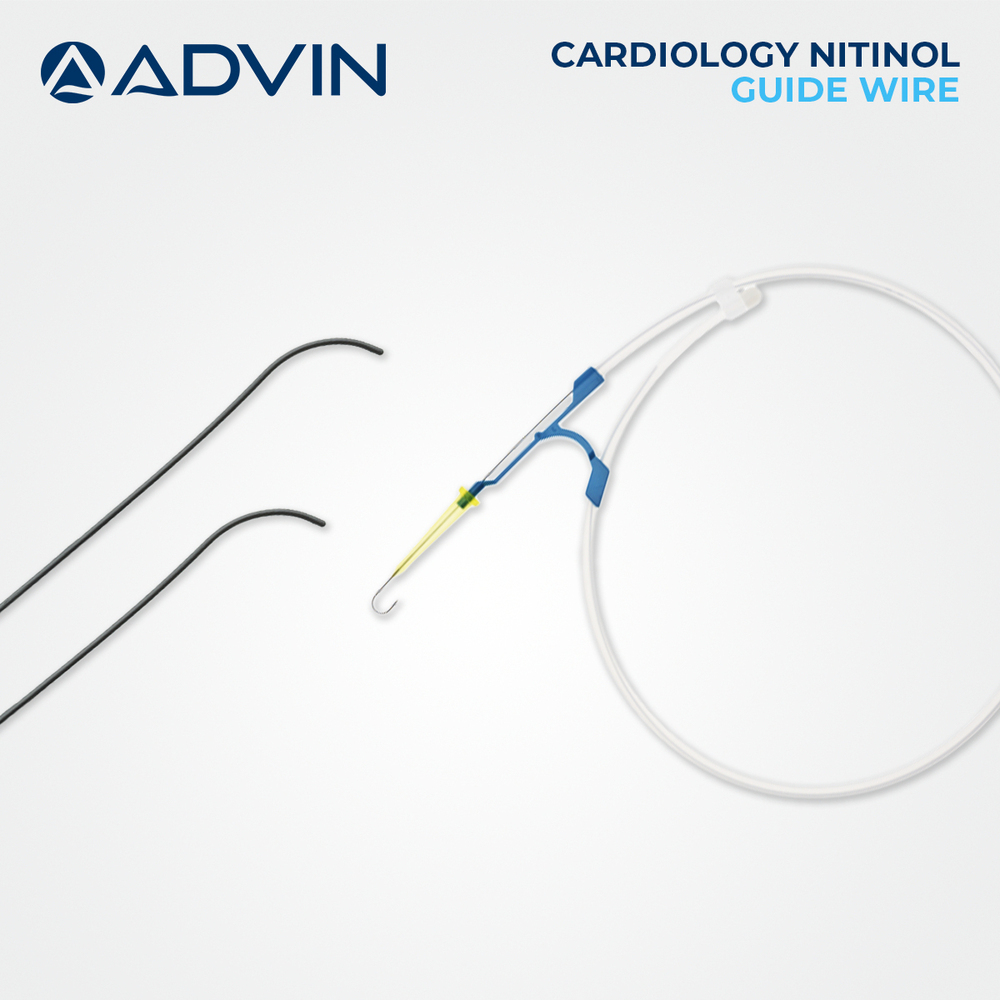
Nitinol guidewire is designed to optimize both functions. Made of a Nitinol core wire it has a hydrophilic coating to aid in insertion and passage of instrumentation. It is available in various wire sizes, tip designs, and shaft configurations. It comes individually packaged, sterile and for single use..
Advanced Features
- Highly maneuverable and kink resistant for navigation through tortuous anatomy
- radiopaque tip
- Super Flexibility
- individually packaged
- Sterile and for single use
Certifications
We are certified with CE, ISO 13485, and ISO 9001 standards.
Product Keywords
Nitinol Guide Wire, Hydrophilic Nitinol Guide Wire, Vascular Guide Wire, Interventional Guide Wire, Coronary Guide Wire, Torque-Control Guide Wire
, , , , ,
Gua de nitinol, gua de nitinol hidroflica, gua vascular, gua intervencionista, gua coronaria, gua con control de torsin
Fil guide en nitinol, fil guide hydrophile en nitinol, fil guide vasculaire, fil guide interventionnel, fil guide coronaire, fil guide contrle de couple
Advanced Nitinol TechnologyUtilizing shape memory alloy, these guide wires combine high flexibility with precise torque control, maintaining their original form and facilitating safe navigation through complex vessels. Their kink-resistant design ensures durability during demanding interventions.
Enhanced Visualization and SafetyThe radiopaque tip provides excellent visibility under fluoroscopic guidance, aiding in accurate positioning during catheterization procedures. Smooth, low-friction coatings further reduce resistance during vessel access, enhancing both safety and procedural efficiency.
Versatile Options for Clinical NeedsAvailable in multiple tip styles (Straight, Angled, J-tip), varied diameters, and standard lengths (150 cm, 180 cm, or custom), these guide wires offer tailored solutions for both routine and complex cardiovascular or vascular procedures. Colored hubs and tips support easy identification in the clinical setting.
FAQ's of Nitinol Guide Wires:
Q: How is the Nitinol Guide Wire typically used during medical procedures?
A: Nitinol Guide Wires are used to facilitate the placement of catheters during angiographic, interventional, or diagnostic procedures, particularly in cardiology and vascular interventions. Their high flexibility and accurate navigation assist clinicians in advancing through complex vessel pathways safely.
Q: What are the available tip configurations for this guide wire, and when would I choose each?
A: This guide wire is offered in Straight, Angled, and J-tip options. Straight tips are ideal for uncomplicated vessel anatomy, Angled tips assist in maneuvering through curves or branches, and J-tips provide added safety by reducing the risk of vessel trauma during navigation.
Q: Where should the Nitinol Guide Wire be stored to maintain sterility and shelf life?
A: Store the guide wire in a cool, dry place away from direct sunlight. Each unit is individually packed in a sterile pouch, ensuring a shelf life of up to five years when proper storage conditions are maintained.
Q: What are the benefits of the hydrophilic or PTFE coatings on these guide wires?
A: Hydrophilic and PTFE coatings create a smooth, low-friction surface, significantly reducing resistance when crossing vessels. This facilitates easier, gentler navigation through the vasculature, minimizing trauma and improving procedural outcomes.
Q: How does the radiopaque tip enhance the guide wire's performance?
A: The radiopaque tip allows for real-time visibility under fluoroscopy, assisting clinicians in precise wire tracking and positioning throughout the procedure. This greatly increases accuracy, safety, and efficiency.
Q: Are these guide wires compatible with standard connectors and catheter systems?
A: Yes, these guide wires feature a universal connector type, ensuring broad compatibility with commonly used catheter systems and interventional equipment across various manufacturers.

 Send Inquiry




 Send Inquiry

 Send Inquiry
 English
 Spanish
 French
 German
 Italian
 Chinese (Simplified)
 Japanese
 Korean
 Arabic
 Portuguese