About Super Elastic Guidewire
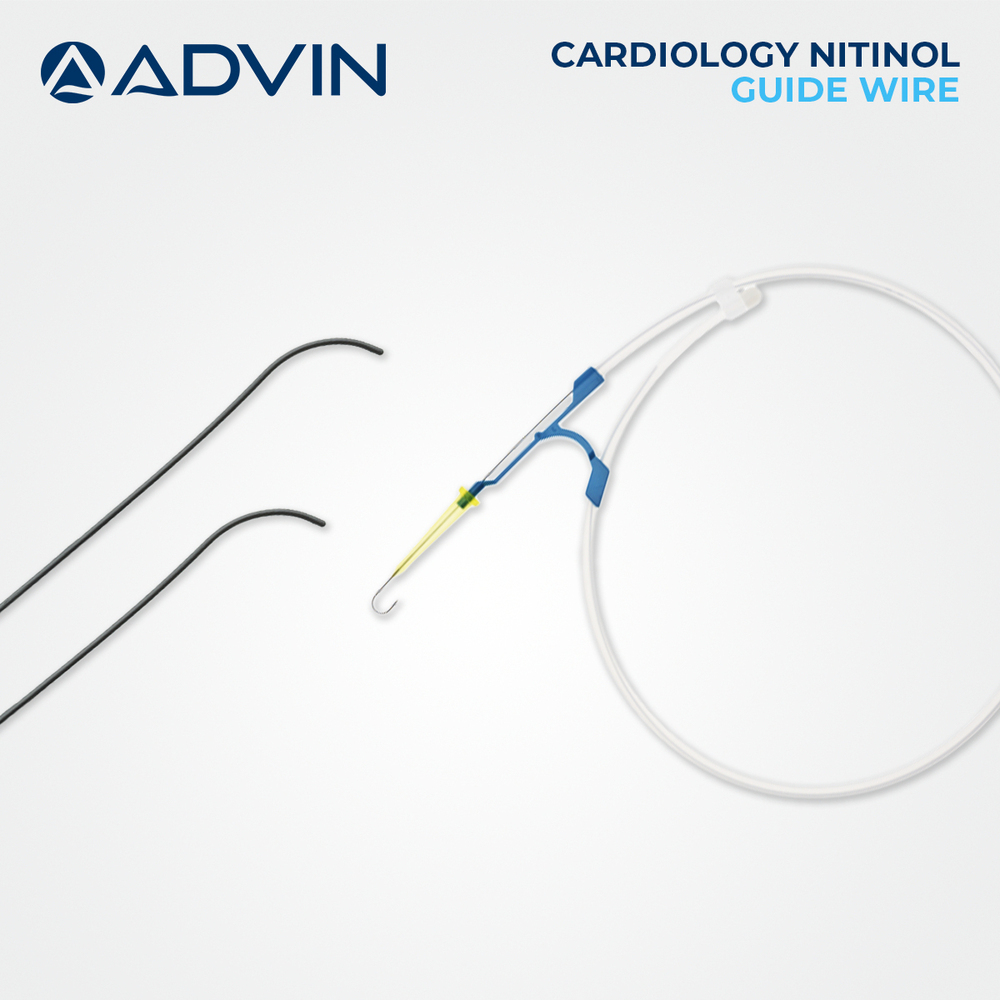
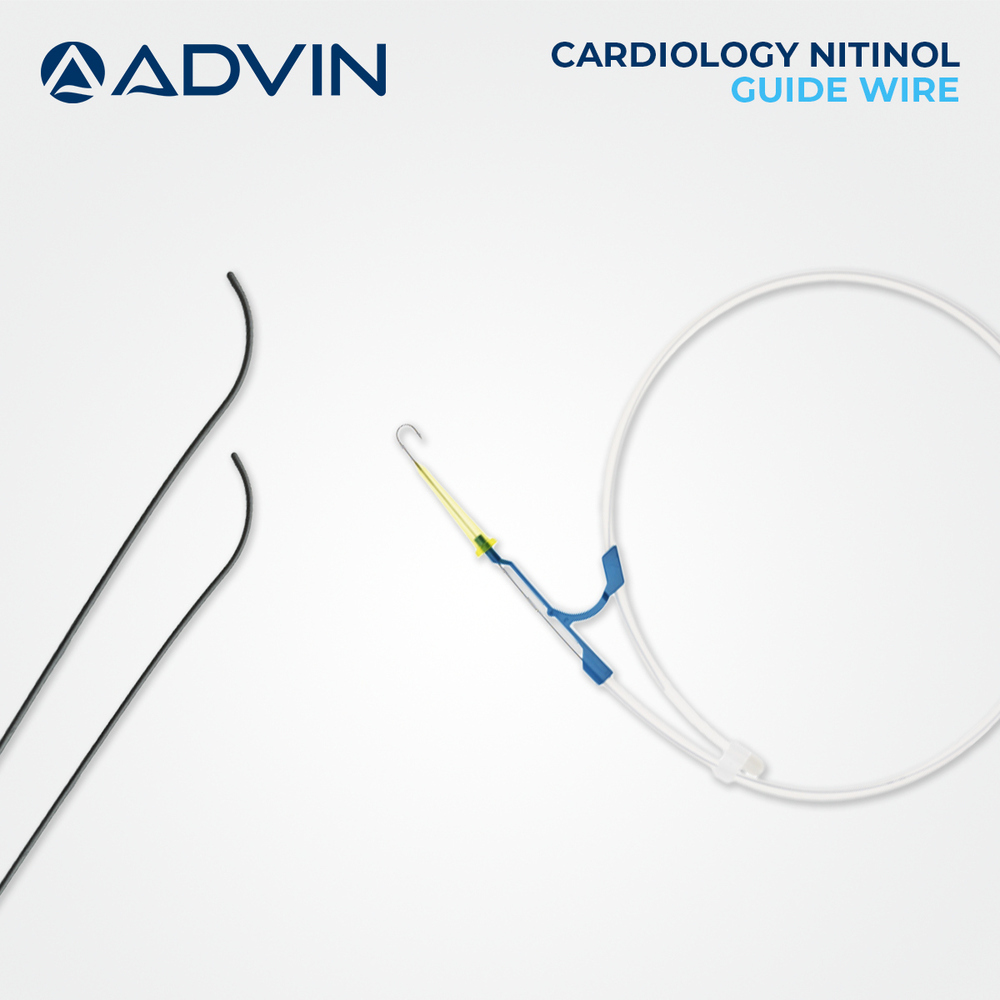
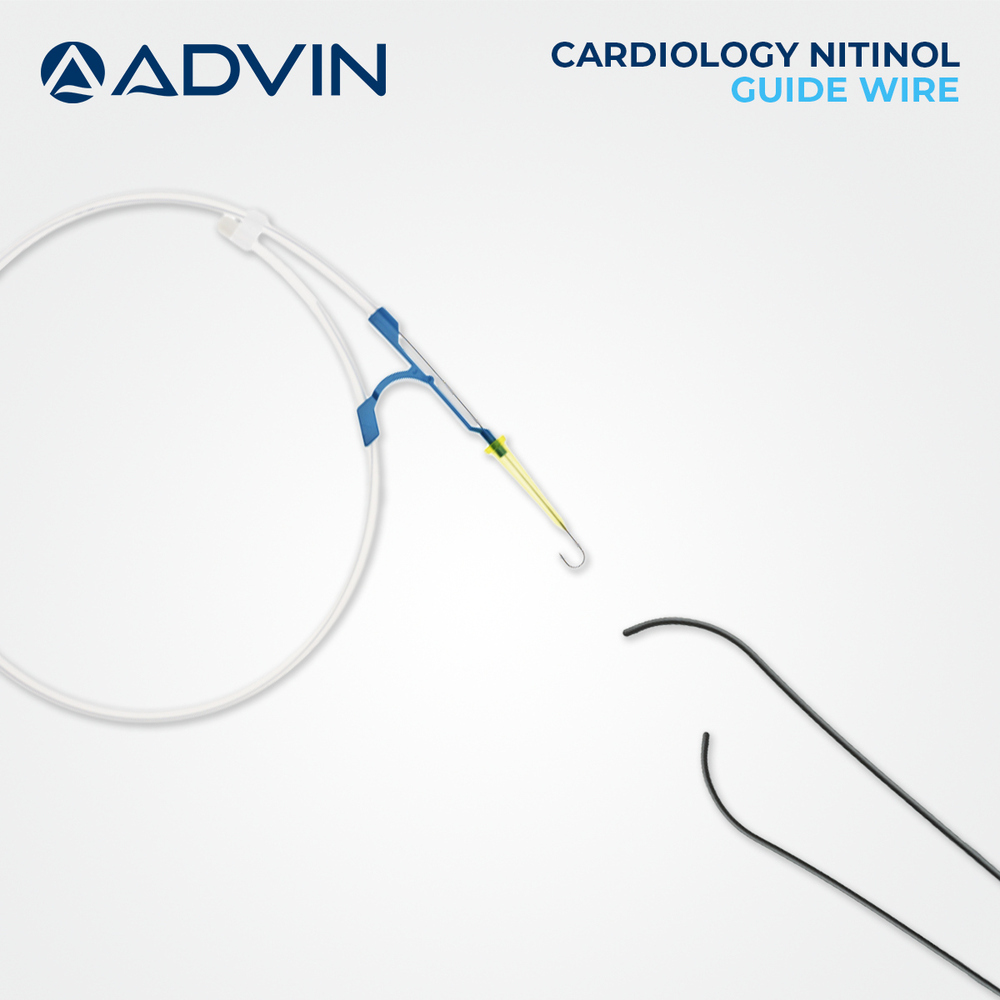
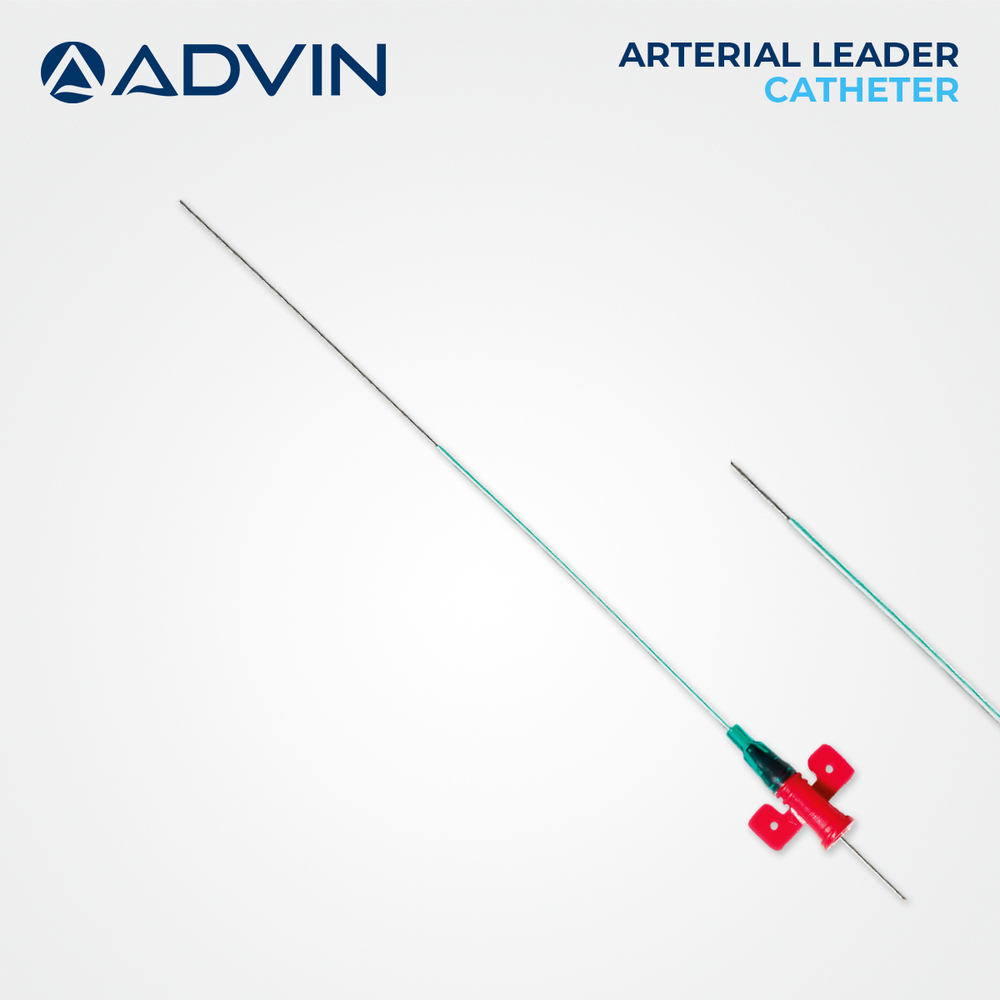
Advin Health Care Super Elastic Guidewire is designed for superior flexibility and resilience during diagnostic and interventional procedures. Engineered with a highly elastic core, it maintains shape memory and provides excellent navigation through tortuous vascular pathways without kinking.
Key Features
- Super elastic design for enhanced flexibility
- Shape memory for consistent performance
- Excellent kink resistance and durability
- Atraumatic tip for safe vessel navigation
Certifications
CE, ISO 13485, ISO 9001 Certified
Product Keywords
Super Elastic Guidewire, Nitinol Guidewire, Flexible Guidewire, Interventional Guidewire, Angiography Guidewire
, , , ,
Gua superelstica, gua de nitinol, gua flexible, gua intervencionista, gua para angiografa
Fil guide super lastique, fil guide en nitinol, fil guide flexible, fil guide interventionnel, fil guide d'angiographie
Enhanced Navigation and ControlSuper Elastic Guidewire delivers exceptional vessel navigation thanks to its high torque control and shape memory-facilitating precise, reliable placement of catheters and devices. Its radiopaque tip ensures clear fluoroscopic visualization, aiding medical professionals in targeted procedures.
Superior Flexibility and Kink ResistanceThe nitinol construction coupled with super-elastic memory technology provides outstanding flexibility and resists kinking even in tortuous vessels. Users benefit from smooth, controlled device advancement, enhancing both safety and procedural efficiency.
Ready-to-Use Sterile PackagingEach guidewire is packaged sterile in a blister pack with a protective sheath, ensuring readiness upon receipt. Lightweight and portable, it is suitable for various clinical settings and offers a shelf life of up to three years when stored properly.
FAQ's of Super Elastic Guidewire:
Q: How is the Super Elastic Guidewire used in medical procedures?
A: The guidewire is used to guide catheters and medical devices to specific target sites within blood vessels during cardiology, vascular access, and surgical interventions. Its flexibility and shape memory allow smooth navigation even in complex anatomies.
Q: What coating options are available and how do they benefit the user?
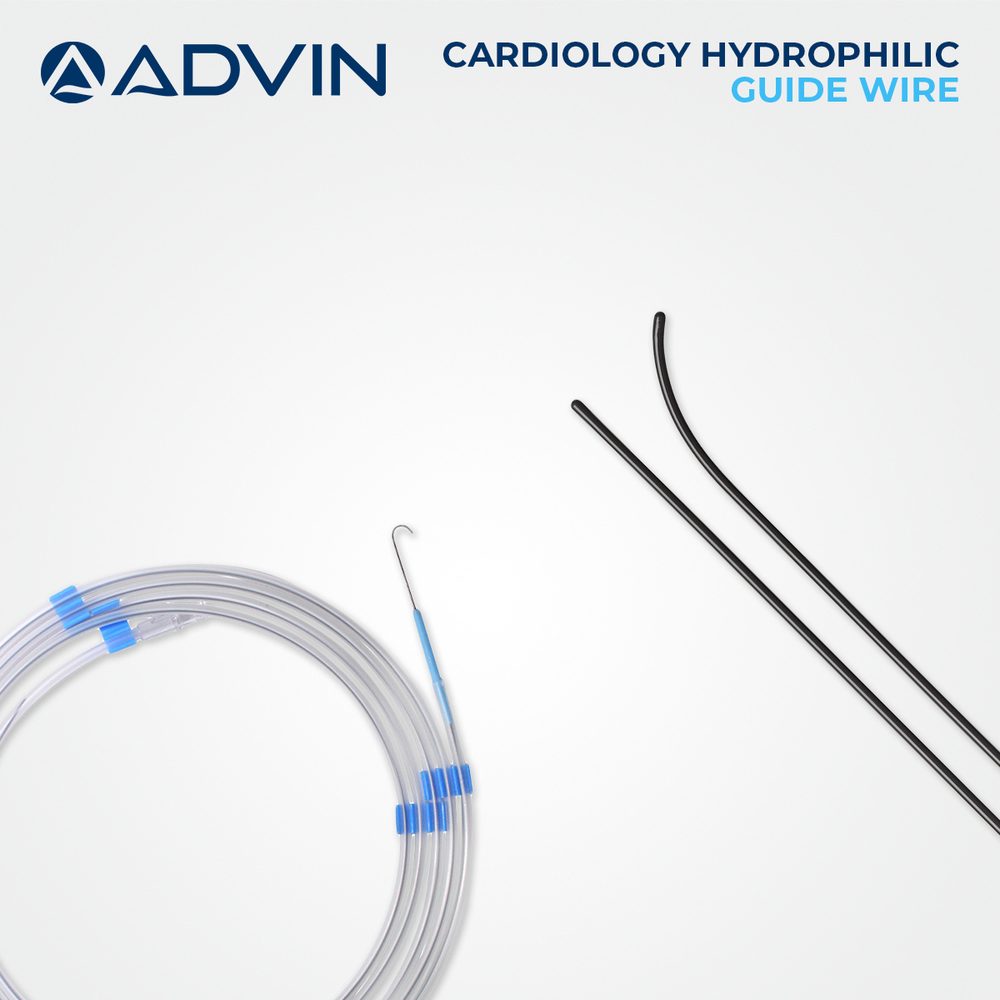
A: The guidewire is available with hydrophilic or PTFE coating, both of which provide improved lubricity. This reduces resistance during insertion, enabling smoother passage through vessels and minimizing trauma to vessel walls.
Q: When should I use a straight, angled, or J-tip guidewire?
A: Tip selection depends on procedural needs: straight tips are ideal for straightforward vessel access, angled tips facilitate navigation through branching or tortuous vessels, while J-tips help reduce the risk of vessel injury during delicate navigation.
Q: Where is the guidewire most commonly utilized?
A: It is widely used in hospitals' catheterization labs, surgical suites, and interventional radiology departments, particularly in procedures involving vascular access and cardiac interventions.
Q: What is the process for ensuring the guidewire's sterility before use?
A: Each guidewire is sterilized at the manufacturing facility and packaged in a sterile blister pack with a protective sheath. It is ready for single use immediately upon opening, ensuring patient safety and compliance with medical standards.
Q: Can this guidewire be used with all cath lab catheters?
A: The guidewire is designed for compatibility with most diagnostic and interventional catheters, ensuring seamless integration into standard medical workflows.
Q: What benefits does the super-elastic nitinol construction provide?
A: Nitinol's super-elastic properties give the guidewire superior flexibility, exceptional kink resistance, and the ability to recover its shape after deflection, resulting in precise and reliable device manipulation during procedures.

 Send Inquiry



 Send Inquiry

 Send Inquiry
 English
 Spanish
 French
 German
 Italian
 Chinese (Simplified)
 Japanese
 Korean
 Arabic
 Portuguese