About Arterial Navigation Catheter
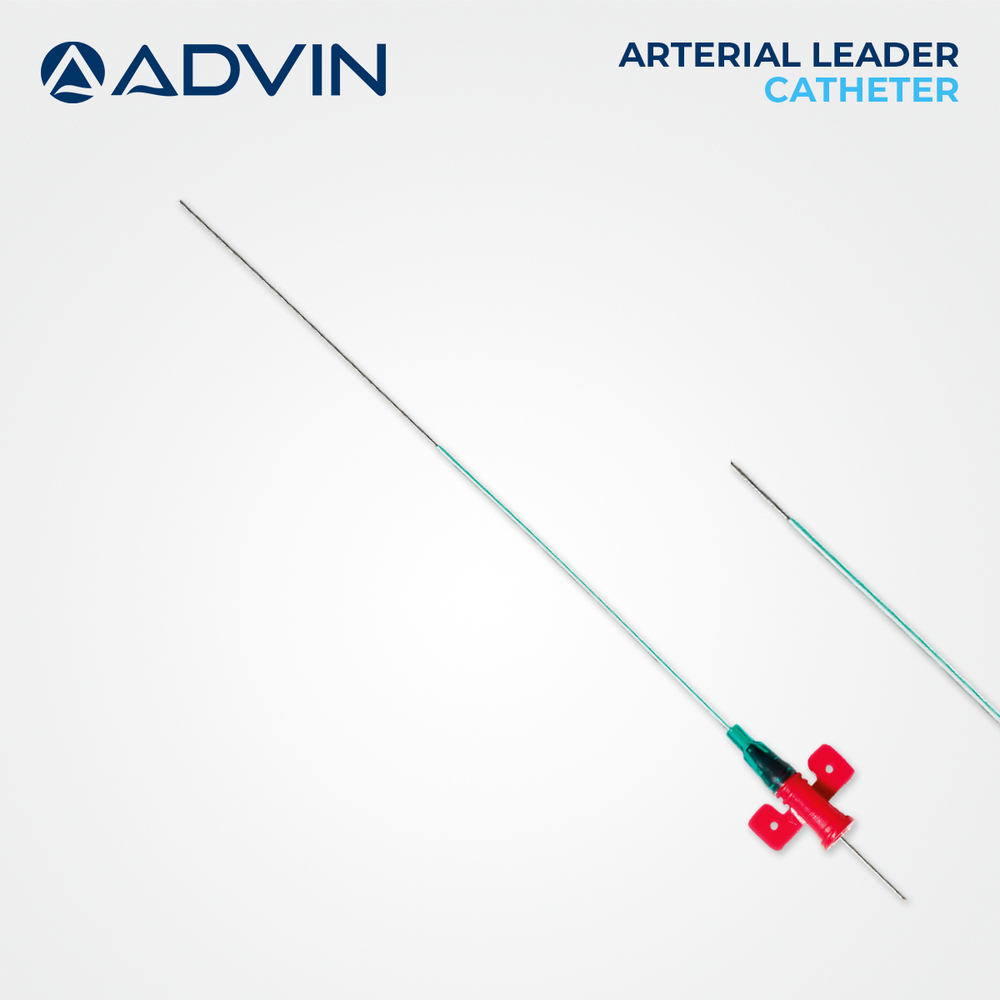
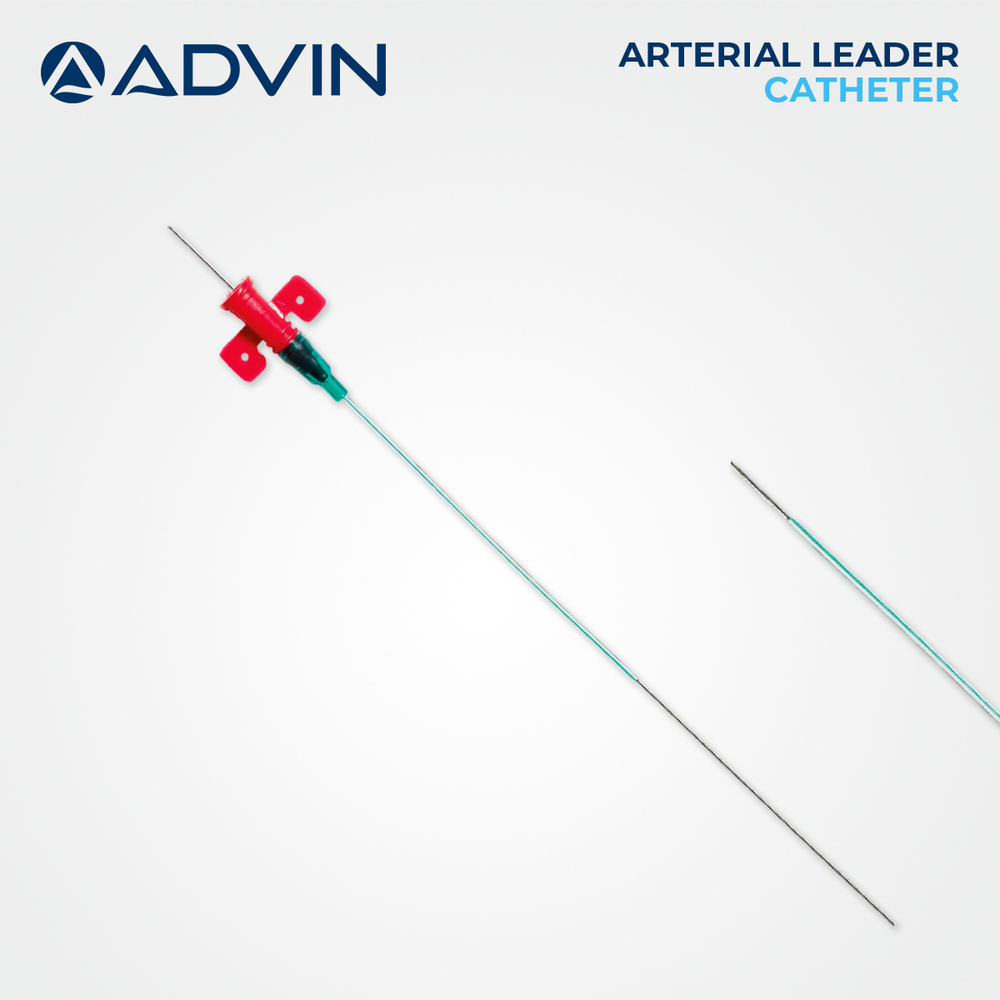
Advin Health Care is a trusted manufacturer of Arterial Navigation Catheters designed to meet international quality standards. These catheters are used in interventional cardiology and vascular procedures to enable smooth and precise navigation through arterial pathways, facilitating accurate delivery of diagnostic and therapeutic devices.
Key Features
High flexibility for navigating complex and tortuous arterial anatomy
Smooth lumen for efficient guidewire and device passage
Atraumatic tip design to minimize vessel trauma
Excellent torque control for precise directional navigation
Radiopaque markers for accurate positioning under imaging guidance
Compatible with standard guide wires and interventional systems
Certifications
We are certified with CE, ISO 13485, and ISO 9001 standards.
Product Keywords
Arterial Navigation Catheter, Vascular Navigation Catheter, Interventional Access Catheter, Arterial Guide Catheter, Vascular Pathway Catheter, Diagnostic Navigation Catheter
, , , , ,
Catter de navegacin arterial, catter de navegacin vascular, catter de acceso intervencionista, catter gua arterial, catter de va vascular, catter de navegacin diagnstica
Cathter de navigation artrielle, cathter de navigation vasculaire, cathter d'accs interventionnel, cathter guide artriel, cathter de navigation vasculaire, cathter de navigation diagnostique
Soft, Atraumatic Tip for Vessel ProtectionThe catheter is engineered with a soft, atraumatic tip to minimize trauma and promote safe navigation within delicate vessels. This feature reduces the risk of endothelial damage, ensuring vessel protection throughout diagnostic or interventional procedures. Its ultra-flexible design facilitates easy movement through vascular pathways, enhancing patient safety and clinician confidence.
Radiopacity for Accurate Fluoroscopic VisualizationEquipped with a radiopaque strip, the catheter delivers outstanding visibility under fluoroscopy. This critical feature allows real-time tracking and precise placement, aiding clinicians in performing complex vascular procedures safely and efficiently while reducing the need for repeated imaging and contrast exposure.
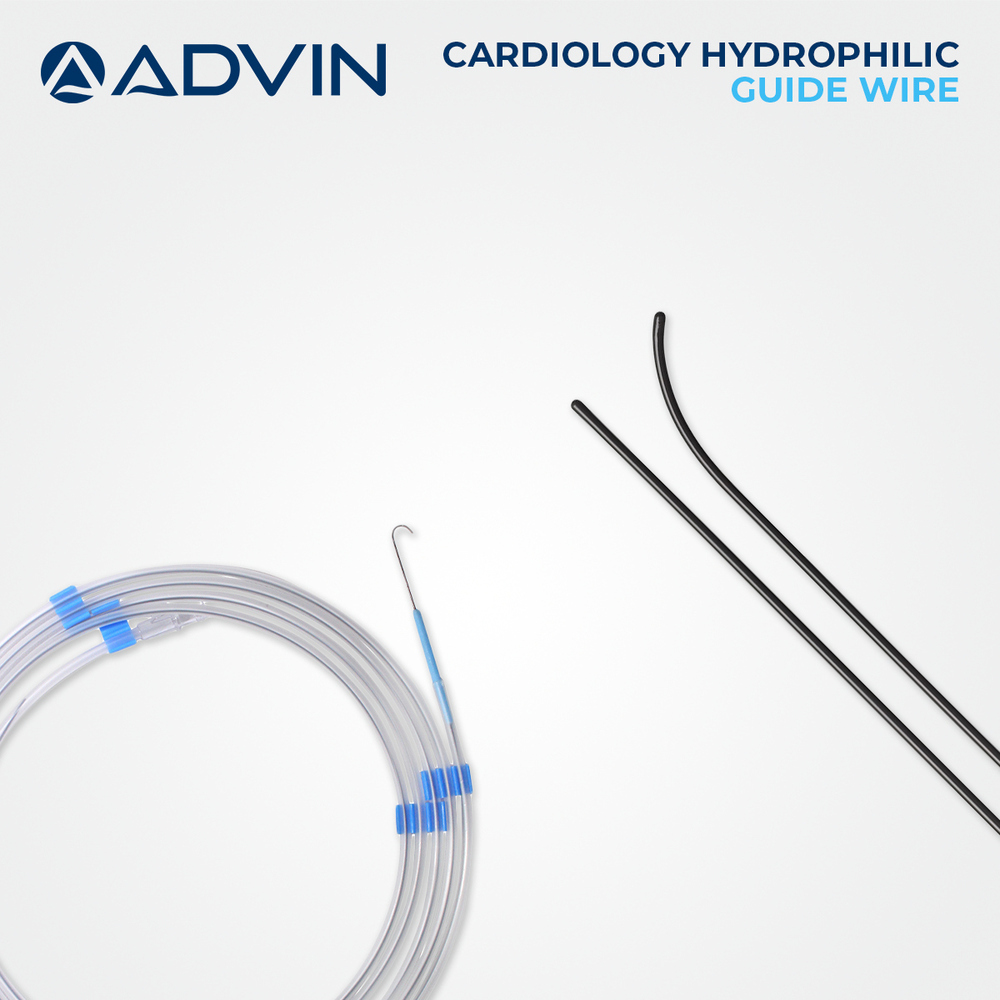
Versatile Compatibility and Secure Hub DesignThe catheter is compatible with a variety of guide wires and introducers, making it a versatile choice for diverse clinical scenarios. Its Luer lock hub provides a secure, leak-free connection with syringes and other devices, ensuring reliable performance during arterial access and navigation.
FAQ's of Arterial Navigation Catheter:
Q: How should the Arterial Navigation Catheter be used during arterial procedures?
A: The catheter is designed for manual insertion by trained healthcare professionals, such as surgeons, cardiologists, and interventional radiologists. It can be advanced over a guide wire to facilitate precise arterial targeting and support navigation during angiography, diagnostics, or vascular interventions.
Q: What is the main benefit of the catheter's soft, atraumatic tip?
A: The soft, atraumatic tip helps protect vessel walls from injury, reducing the risk of complications during manipulation and navigation through delicate arterial passages. This promotes safer and more effective vascular access.
Q: When and where is this catheter typically utilized?
A: This device is commonly used in operating rooms, catheterization labs, and interventional radiology suites for arterial access, navigation, angiography, and related minimally invasive procedures requiring accurate vessel targeting.
Q: What process is followed for ensuring the catheter's sterility?
A: Each catheter undergoes sterilization using ethylene oxide gas and is packaged individually in a sterile pouch, maintaining its integrity until the point of use. It should only be opened immediately prior to the procedure.
Q: Is the catheter compatible with different accessories?
A: Yes, the catheter is compatible with a range of guide wires and introducers, offering flexibility in various procedural settings and accommodating individual clinical preferences.
Q: What are the storage requirements for this device?
A: Store the catheter in a cool, dry place and keep the packaging unopened until use. Its shelf life ranges from 3 to 5 years when stored under appropriate conditions.
Q: Why is a radiopaque strip included in the catheter design?
A: The radiopaque strip allows clinicians to visualize the catheter's position under fluoroscopy in real time, ensuring accurate placement and minimizing procedural risks.

 Send Inquiry




 Send Inquiry

 Send Inquiry
 English
 Spanish
 French
 German
 Italian
 Chinese (Simplified)
 Japanese
 Korean
 Arabic
 Portuguese