Small Locking Plate About
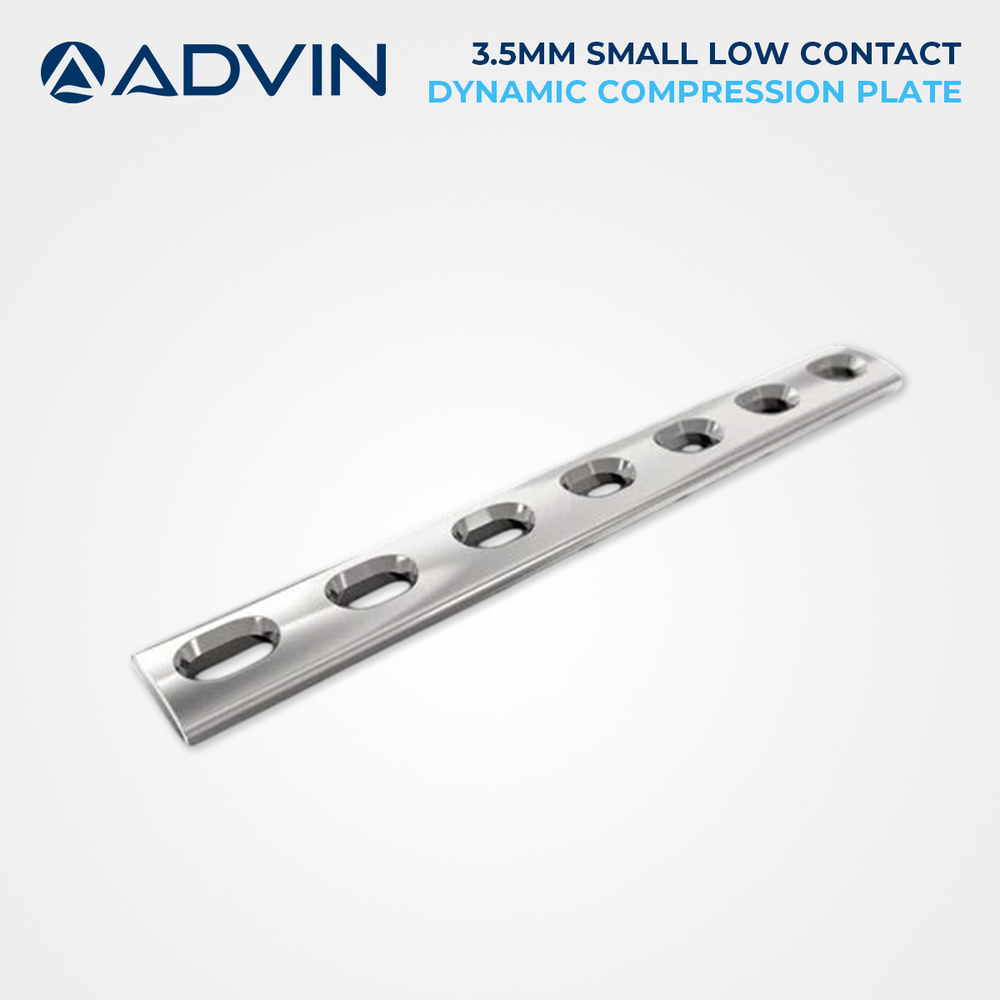
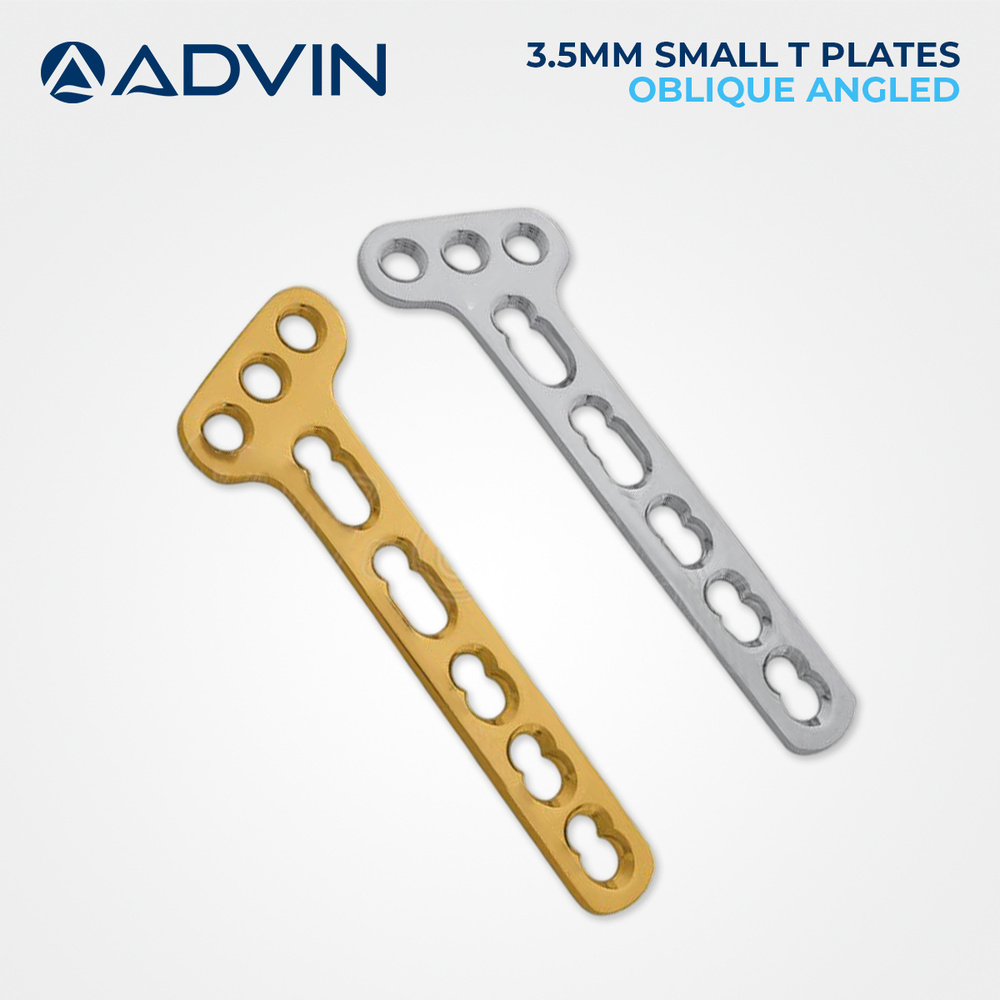
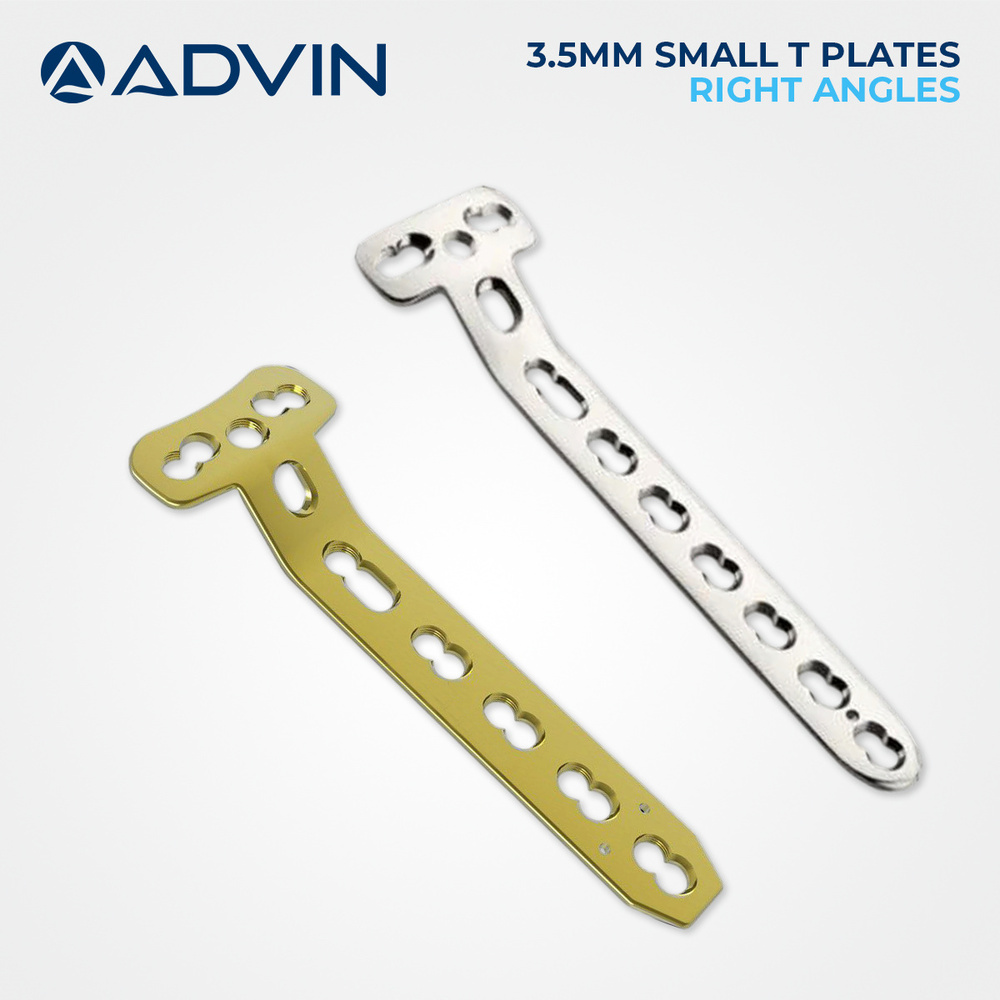
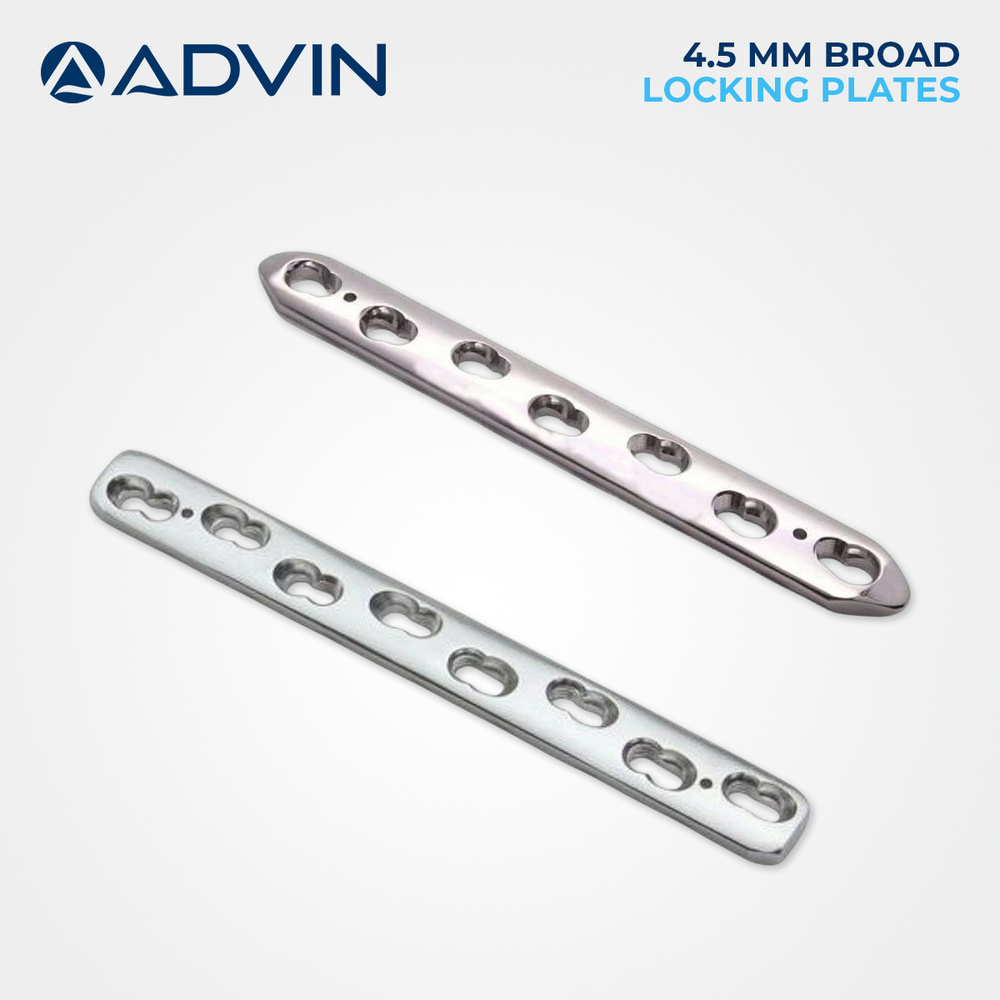
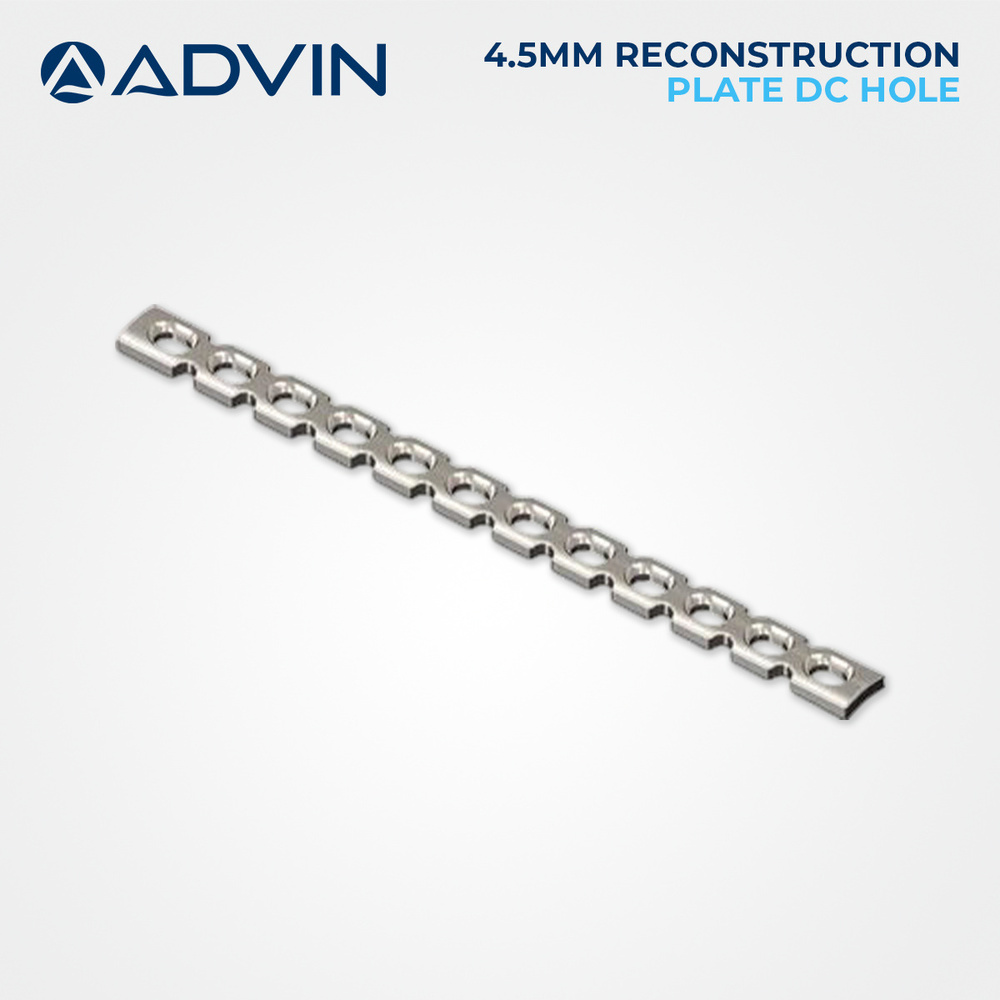
Small Locking Plates are widely used in orthopedic trauma surgeries for the fixation of fractures in smaller bones, such as the forearm, wrist, and ankle. Manufactured from high-quality surgical-grade stainless steel, they offer excellent strength, durability, and biocompatibility. Advin Health Care supplies these plates to assist surgeons in achieving precise fixation with reduced risk of screw loosening. The locking mechanism provides stable fixation even in weak or comminuted bone, making them suitable for a wide range of trauma cases. Their anatomical design and compact size allow easy adaptation to bone contours, improving surgical outcomes and post-operative recovery.
Advanced Features:
-
Made from high-strength surgical-grade stainless steel
-
Locking mechanism for stable screw-plate fixation
-
Designed for fractures in small bones like forearm, wrist, and ankle
-
Provides secure fixation in osteoporotic and comminuted bone
-
Compact, lightweight, and anatomically adaptable design
Superior Bone StabilizationOur small locking plate offers optimal bone immobilization and fracture stabilization, essential for successful orthopedic recovery. The precise hole configuration allows surgeons to use locking and cortical screws, enhancing fixation and reducing the risk of hardware failure. Atraumatic rounded edges help prevent soft tissue irritation during placement.
Versatile Compatibility & CustomizationDesigned for medical professionals, these plates are compatible with screws ranging from 1.5 mm to 2.7 mm, accommodating various fracture types in small bones. Customization is available upon request, ensuring tailored solutions for unique surgical requirements.
Premium Materials & ComplianceEach plate is forged or precision machined from implant-grade Stainless Steel 316L or Titanium. Surfaces are satin or polished to promote biocompatibility, while all plates adhere to strict ISO 13485 and CE standards. Sterile packaging and autoclavability guarantee safe and hygienic surgical use.
FAQ's of Small Locking Plate:
Q: How is the small locking plate used during orthopedic surgeries for small bone fractures?
A: The small locking plate is manually positioned over the fracture in bones such as the hand, foot, or forearm. Locking or cortical screws are inserted through round and combi holes to immobilize bone fragments, promoting stable healing and restoring anatomical alignment.
Q: What types of screws are compatible with this locking plate?
A: This plate is designed for use with 1.5 mm, 2.0 mm, 2.4 mm, and 2.7 mm locking or cortical screws, offering flexibility to surgeons based on bone size and fracture complexity.
Q: When should a satin or polished surface finish be chosen for the locking plate?
A: Satin or polished finishes are selected based on surgeon preference and patient factors. The satin finish reduces glare during procedures, while a polished surface may further minimize tissue adhesion and facilitate easier implant removal, if needed.
Q: Where can the small locking plate be applied anatomically?
A: This implant is tailored for small bone fractures, specifically in the hand, foot, and forearm, benefiting patients requiring targeted orthopedic fixation.
Q: What is the process for sterilizing and storing the plates?
A: The plates should be sterilized using a medical autoclave and stored in a dry, clean environment, preferably within their original sterile packaging, to maintain clinical integrity for up to five years.
Q: What are the primary benefits of using this small locking plate in surgical fixation?
A: Benefits include high fixation precision, reduced risk of soft tissue injury due to atraumatic edges, versatility in screw options, and excellent material strength and biocompatibility, leading to effective bone healing and minimized complications.
Q: Is product customization available for specific surgical requirements?
A: Yes, customization is possible on request. This service allows adjustment of plate dimensions, hole configurations, and materials to match individual clinical needs, ensuring an optimal fit for each patient.

 Send Inquiry



 Send Inquiry

 Send Inquiry
 English
 Spanish
 French
 German
 Italian
 Chinese (Simplified)
 Japanese
 Korean
 Arabic
 Portuguese