About Smooth Navigation Guidewire
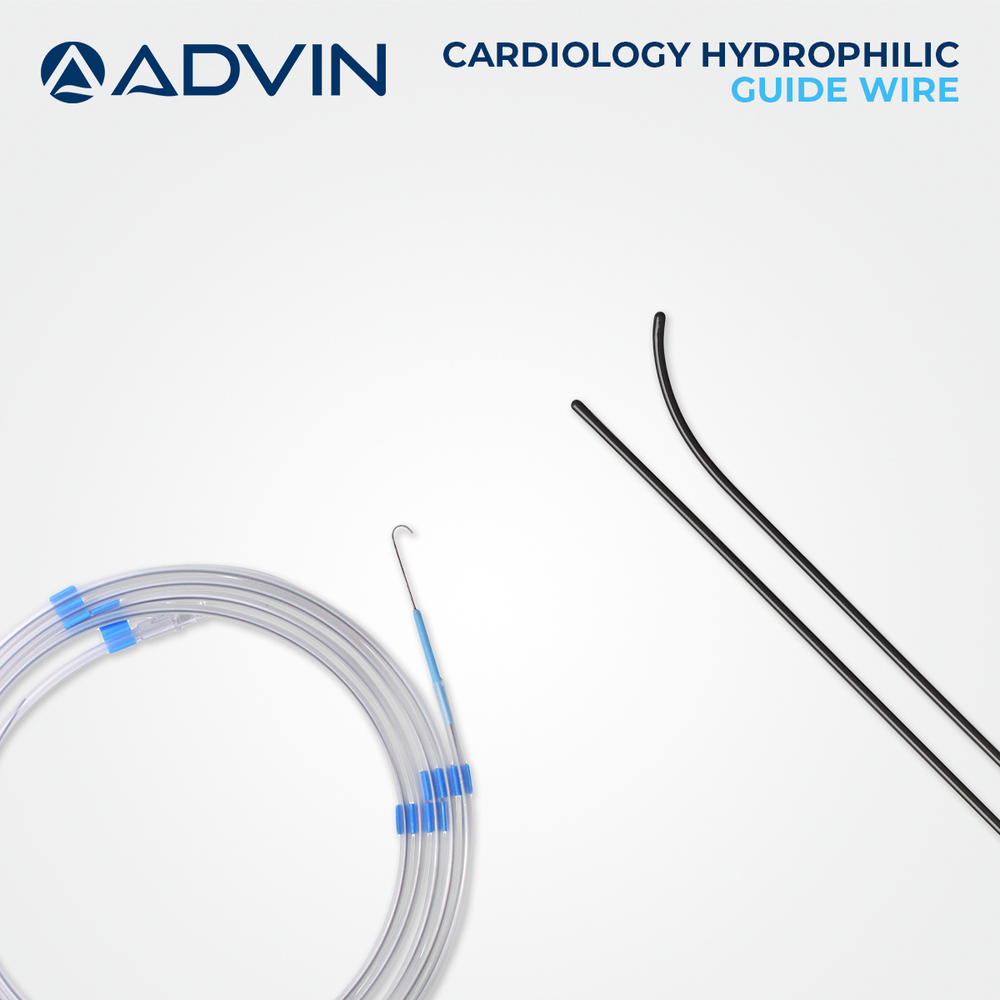
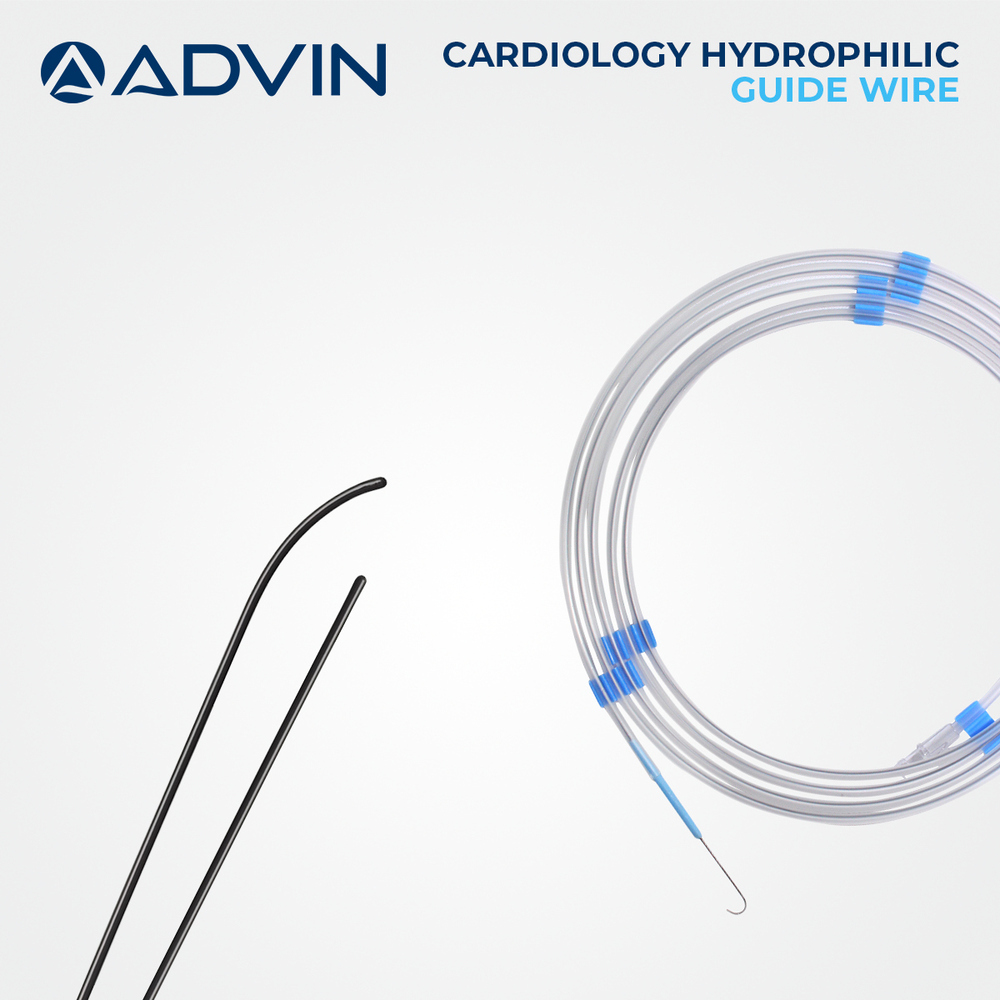
Advin Health Care Smooth Navigation Guidewire is designed to provide effortless advancement through complex vascular pathways during diagnostic and interventional procedures. Its optimized surface ensures reduced friction and enhanced control for precise device delivery.
Key Features
- Designed for smooth and controlled navigation
- Excellent flexibility and trackability
- Atraumatic soft tip for safe vessel access
- Reduced friction for easy device advancement
Certifications
CE, ISO 13485, ISO 9001 Certified
Product Keywords
Smooth Navigation Guidewire, Low Friction Guidewire, Hydrophilic Guidewire, Interventional Guidewire, Angiography Guidewire
, , , ,
Gua de navegacin suave, gua de baja friccin, gua hidroflica, gua intervencionista, gua de angiografa
Fil guide navigation fluide, fil guide faible friction, fil guide hydrophile, fil guide interventionnel, fil guide d'angiographie
Versatile Tip Shapes for Flexible ProceduresChoose from straight, angled, or J-tip guidewire configurations to adapt to a wide range of vascular procedures. Each shape enhances the operator's ability to navigate challenging anatomy, allowing for optimal vessel access regardless of case complexity.
Full-Length Hydrophilic Coating for Smooth NavigationA continuous hydrophilic coating enables seamless passage through vessels, reducing friction and minimizing trauma during catheter placement. This property ensures easy advancement and vessel conformance, even in tortuous pathways.
Sterile, Single-Use Safety and High CompatibilityIndividually packed and sterilized, each guidewire is intended for single use to prevent cross-contamination. Compatibility with most catheters maximizes procedural efficiency and facilitates integration into various clinical protocols.
FAQ's of Smooth Navigation Guidewire:
Q: How does the hydrophilic coating benefit vascular access procedures?
A: The full-length hydrophilic coating reduces friction between the guidewire and vessel walls, allowing for smoother vessel entry and advancing. This feature minimizes trauma and improves operator control during navigation, especially in complex vasculatures.
Q: What tip shapes are available for the Smooth Navigation Guidewire, and how do they enhance flexibility?
A: The guidewire is offered in straight, angled, and J-tip shapes. These options provide procedural flexibility, allowing clinicians to select the most suitable tip for navigating diverse anatomical pathways and facilitating precise catheter positioning.
Q: When should the Smooth Navigation Guidewire be used in clinical settings?
A: This guidewire is ideal for use during cardiology and vascular access procedures, particularly in hospitals, cardiology centers, and interventional radiology units. Its features support both diagnostic and interventional applications.
Q: Where should the guidewire be stored to ensure product integrity?
A: For optimal preservation, the guidewire should be stored in a cool, dry place away from direct sunlight. This storage condition maintains the hydrophilic coating's effectiveness and prolongs the product's shelf life, which is up to five years.
Q: What is the process for preparing the guidewire for use in a sterile procedure?
A: Each guidewire is supplied in an individually sealed, sterile pouch. Prior to use, the packaging should be inspected for integrity and only opened immediately before the procedure to maintain sterility and patient safety.
Q: What types of catheters is this guidewire compatible with?
A: The Smooth Navigation Guidewire is compatible with most diagnostic and interventional catheters due to its standard diameters (0.018 to 0.038 inches) and lengths (150 cm to 260 cm), streamlining procedural setup.
Q: What are the key benefits of using the Smooth Navigation Guidewire over conventional alternatives?
A: With its high kink resistance, flexible tip, hydrophilic surface, and excellent radiopacity, the guidewire offers superior navigation, minimizes vessel trauma, and enhances imaging-resulting in safer, more efficient procedures for both patients and clinicians.

 Send Inquiry




 Send Inquiry

 Send Inquiry
 English
 Spanish
 French
 German
 Italian
 Chinese (Simplified)
 Japanese
 Korean
 Arabic
 Portuguese