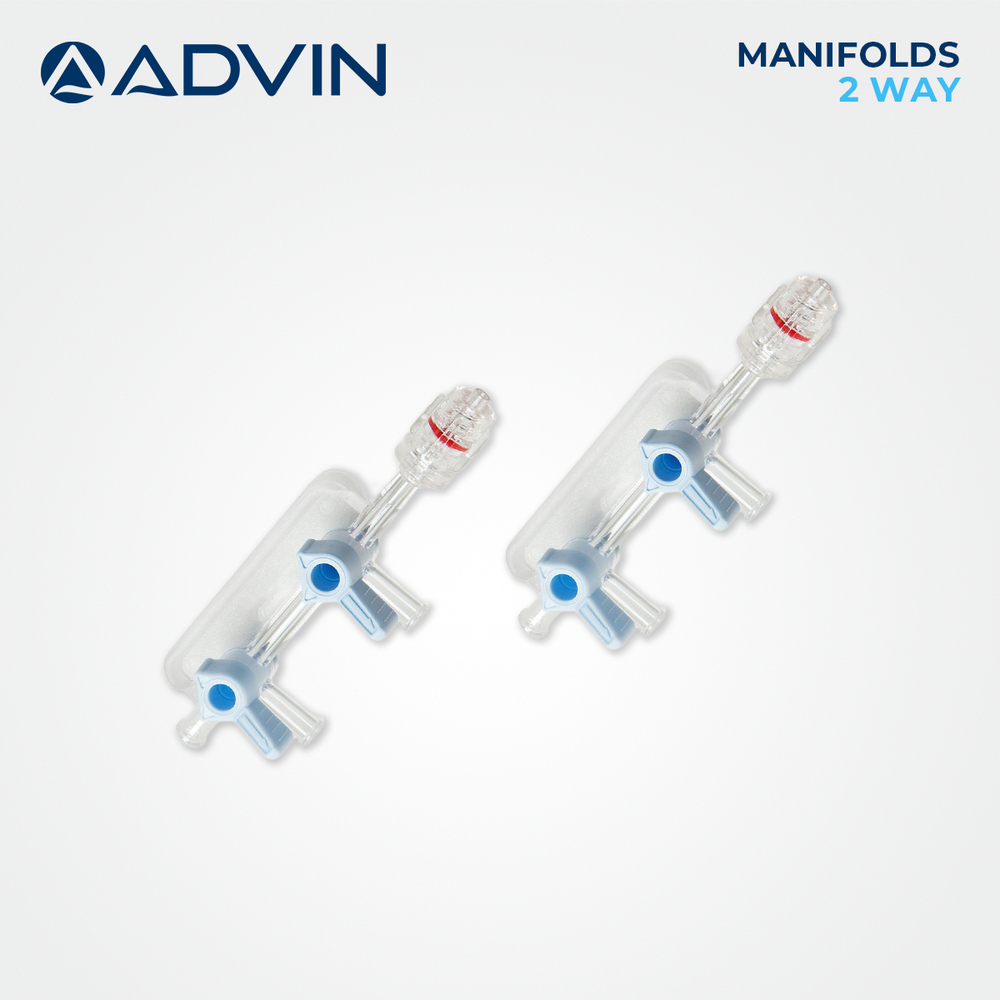
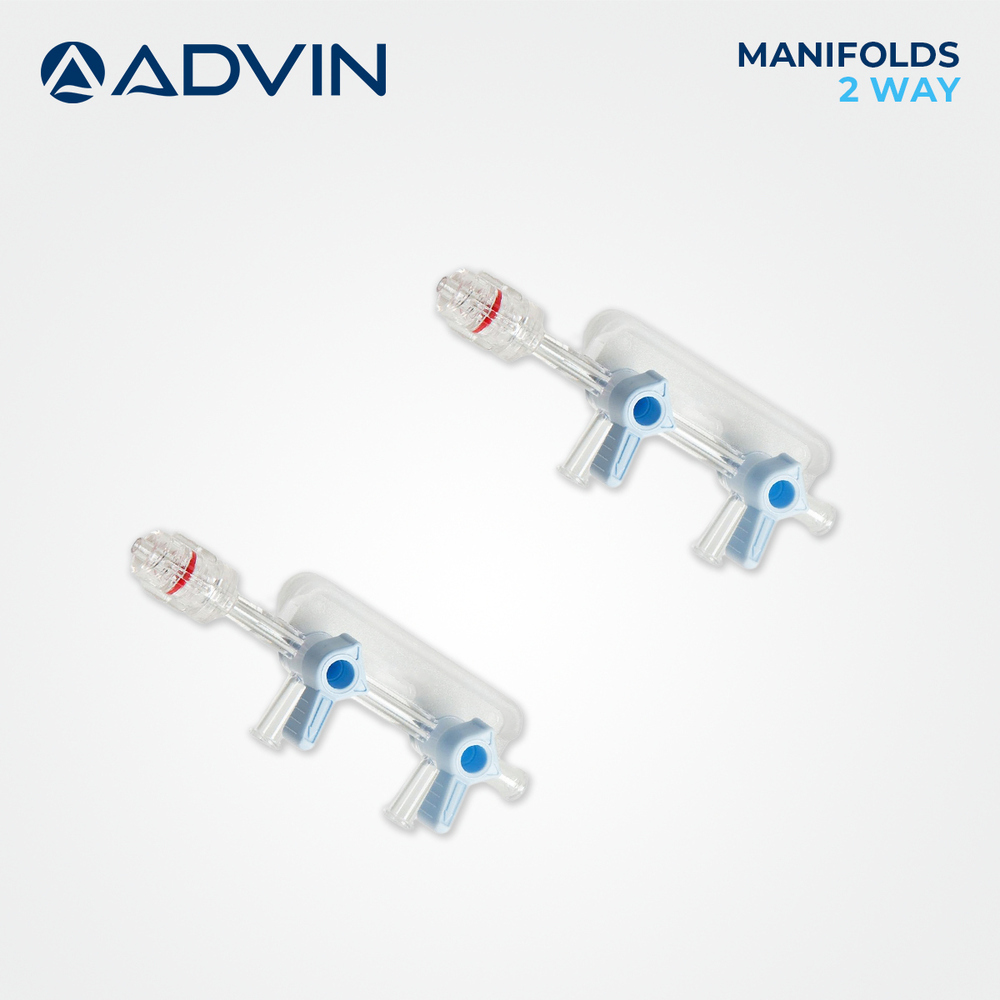
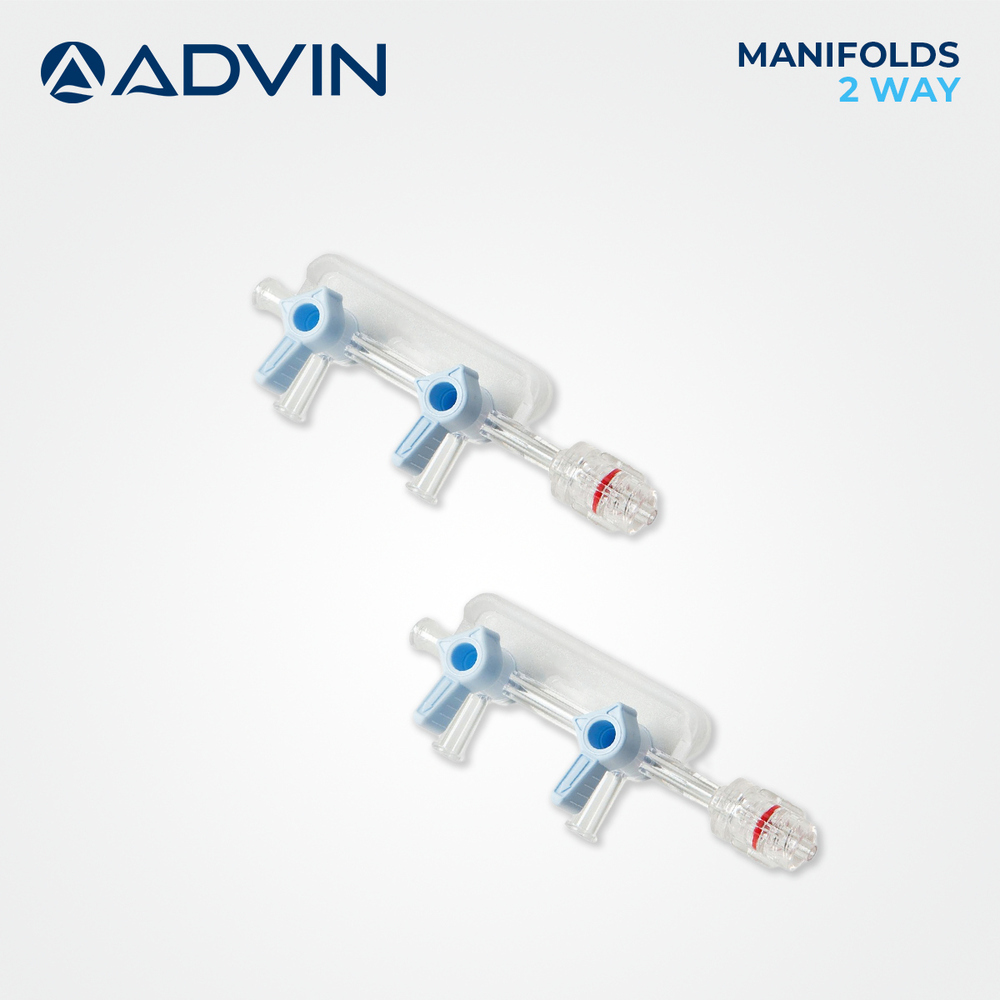
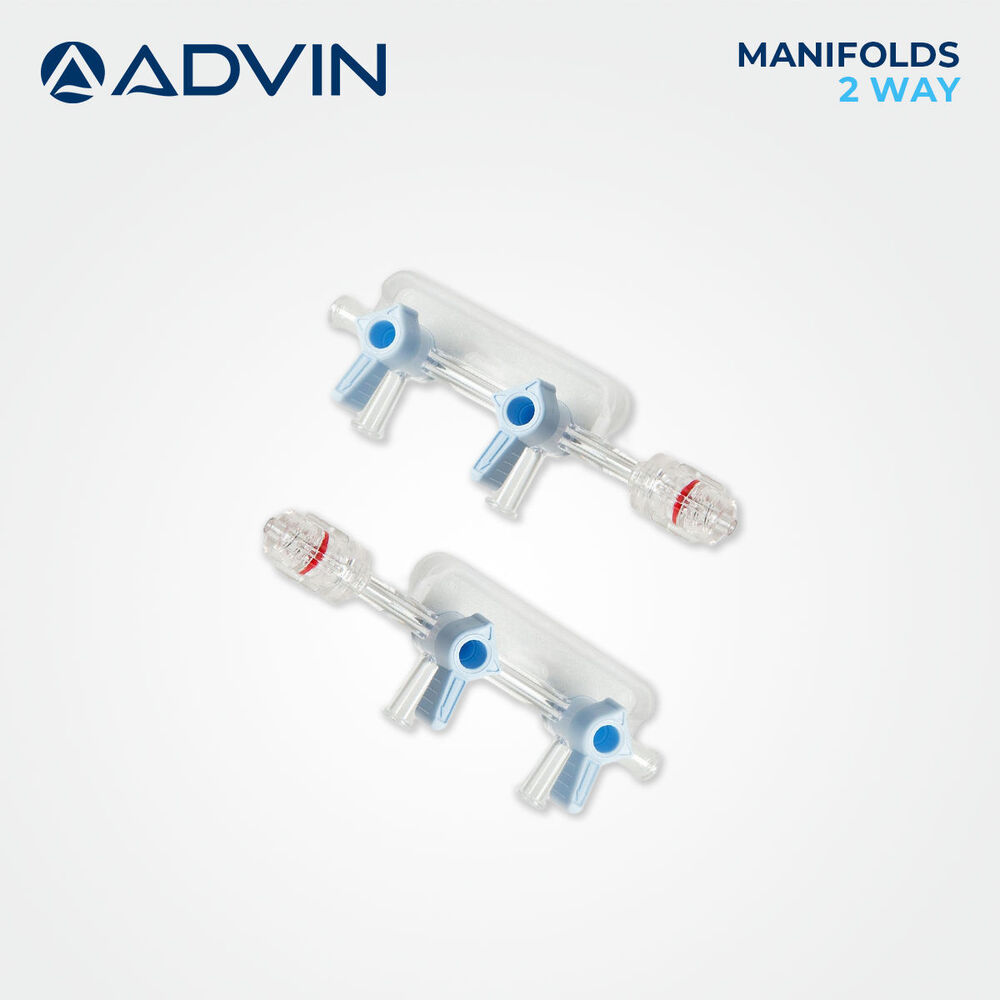
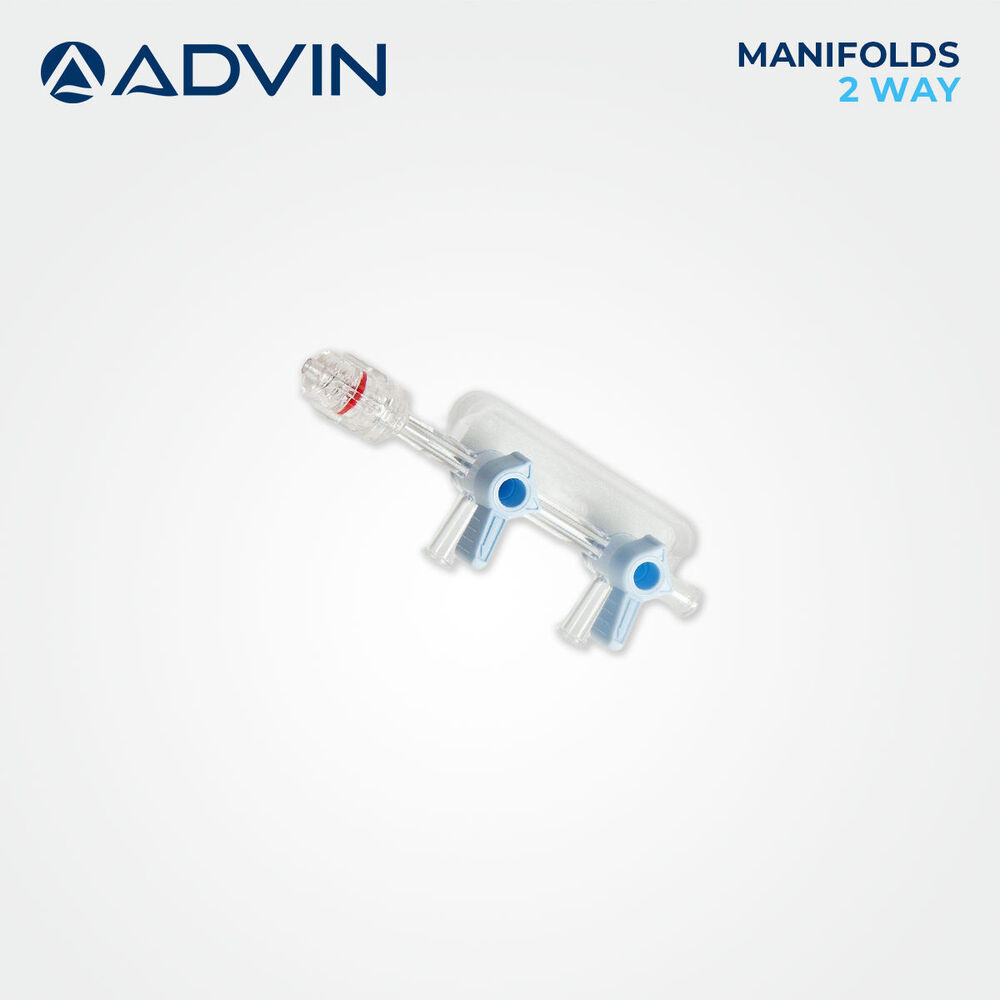
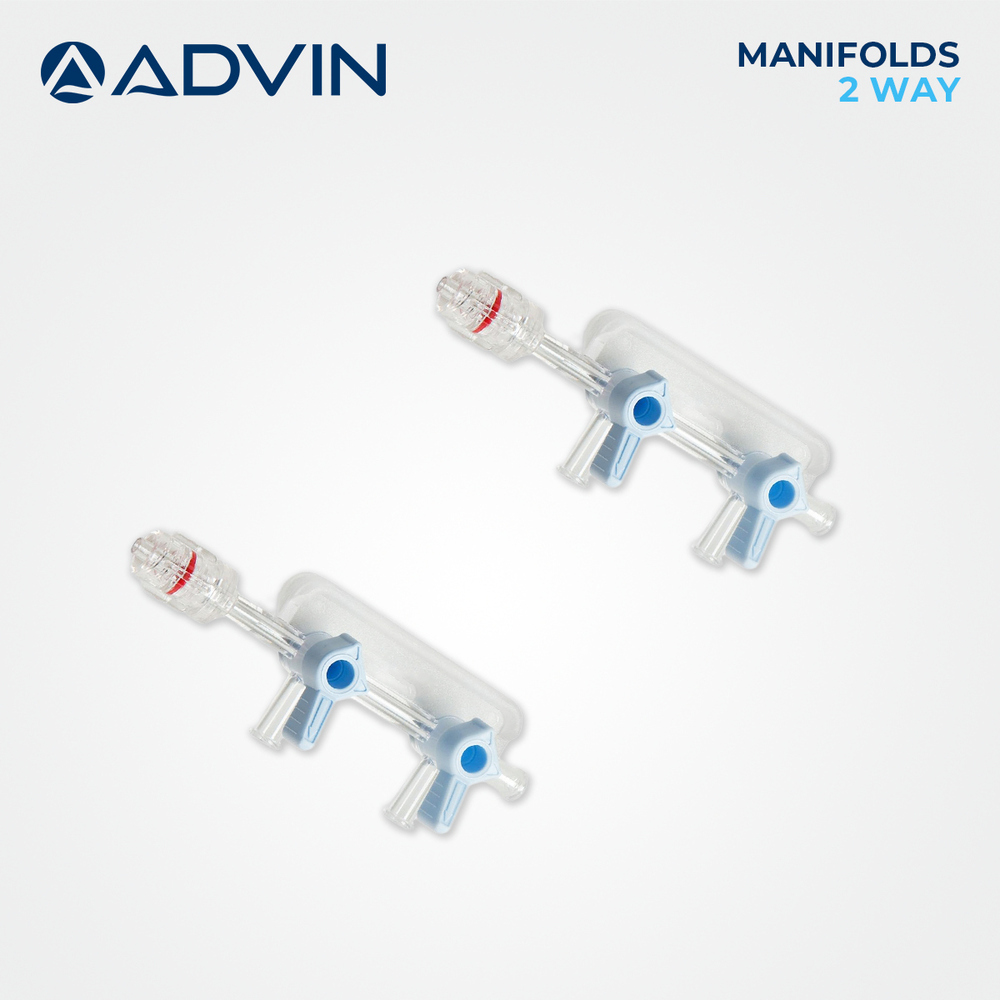
About Two Way Manifolds
The manifolds now used in cardiac catheterization and coronary angiography have several deficiencies. By using a holder and plastic disposable stopcocks, the problems of air leakage, fluid leakage, and stopcock adjustment are virtually eliminated.
Advanced Features
- Made in Clean poly carbonate material
- Easy visibility
- Smooth controlling
- Pressure endurance
- Leak Free
- Sterile ETO
Reliable Fluid Control for HospitalsDesigned for critical hospital settings, our Two Way Manifolds provide consistent, real-time fluid direction and distribution. These products are manually operated for maximum control and are crafted from durable plastic, making them suitable for various medical procedures that demand precision and safety.
Easy Operation and MaintenanceManual operation ensures that healthcare staff can swiftly adjust flow as needed without complex training. The plastic construction also allows straightforward cleaning and maintenance, maintaining hygiene standards while ensuring long-lasting product life.
FAQs of Two Way Manifolds:
Q: How are the Two Way Manifolds used in hospital environments?
A: The Two Way Manifolds are used to facilitate the controlled distribution and direction of fluids, such as medical gases or intravenous liquids, in hospital settings. Their manual operation allows healthcare professionals to adjust the flow in real time, supporting a variety of medical procedures safely.
Q: What material is used in the construction of these manifolds, and what are its benefits?
A: These manifolds are constructed from high-quality plastic, which offers durability, lightweight handling, and ease of sterilization. The use of plastic also ensures compatibility with various hospital protocols for hygiene and safety.
Q: When should a hospital choose a manually operated manifold?
A: A hospital should consider a manually operated manifold when precise, immediate control over fluid flow is required and when the use case does not demand automation. They are ideal for applications where hands-on adjustments improve safety and efficiency.
Q: Where can these Two Way Manifolds be installed in a hospital?
A: These manifolds are designed for versatility and can be integrated into different sections of a hospital where real-time fluid management is needed, such as intensive care units or operating rooms. However, they are not wall-mounted, permitting flexible placement near equipment or patient beds.
Q: What is the process for exporting and supplying these manifolds from India?
A: As exporters, manufacturers, suppliers, and traders based in India, we follow a streamlined process that includes strict quality checks, secure packaging, and coordination with international logistics partners to fulfill bulk or customized orders efficiently for global hospital clients.
Q: How does real-time operation benefit healthcare staff and patients?
A: Real-time operation enables swift response to changes in medical treatment requirements. Healthcare staff can manually regulate fluid or gas supply instantly, enhancing patient safety and optimizing treatment outcomes through better control.

 Send Inquiry




 Send Inquiry

 Send Inquiry
 English
 Spanish
 French
 German
 Italian
 Chinese (Simplified)
 Japanese
 Korean
 Arabic
 Portuguese