About Multi Purpose Vascular Wire
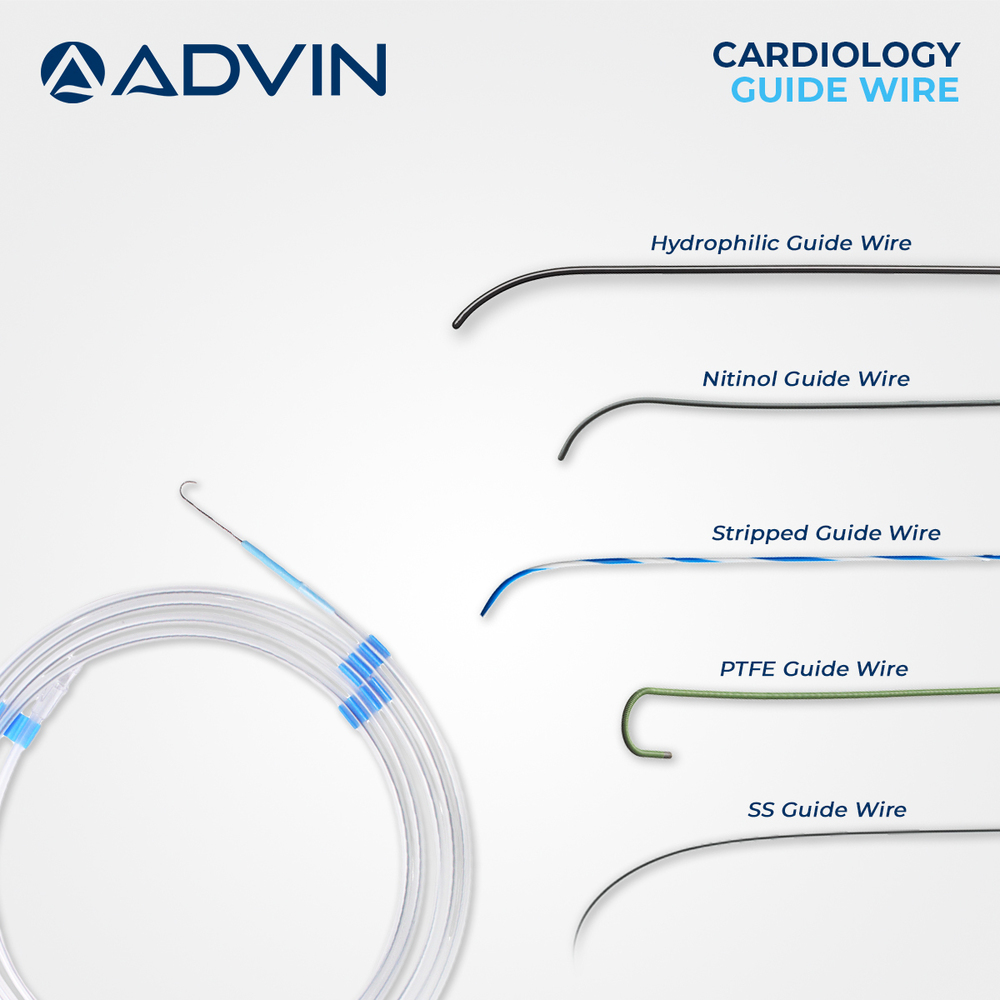
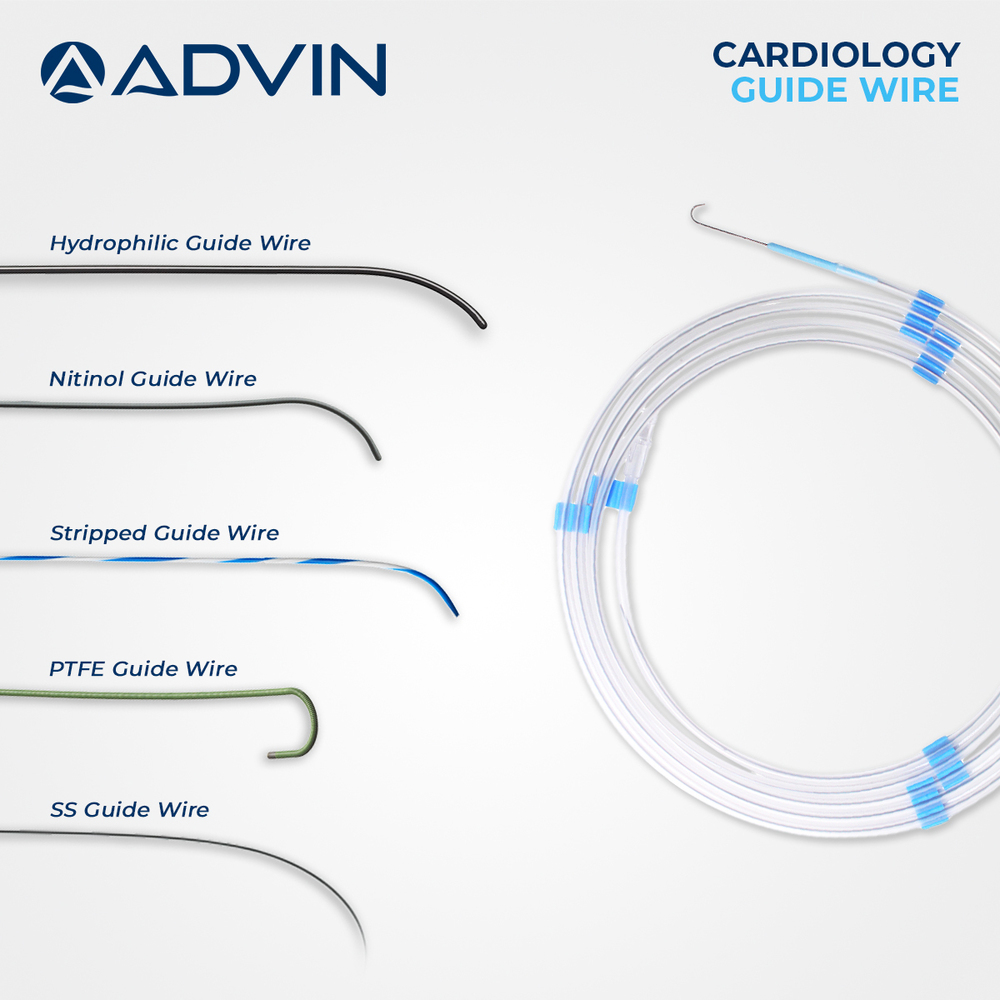
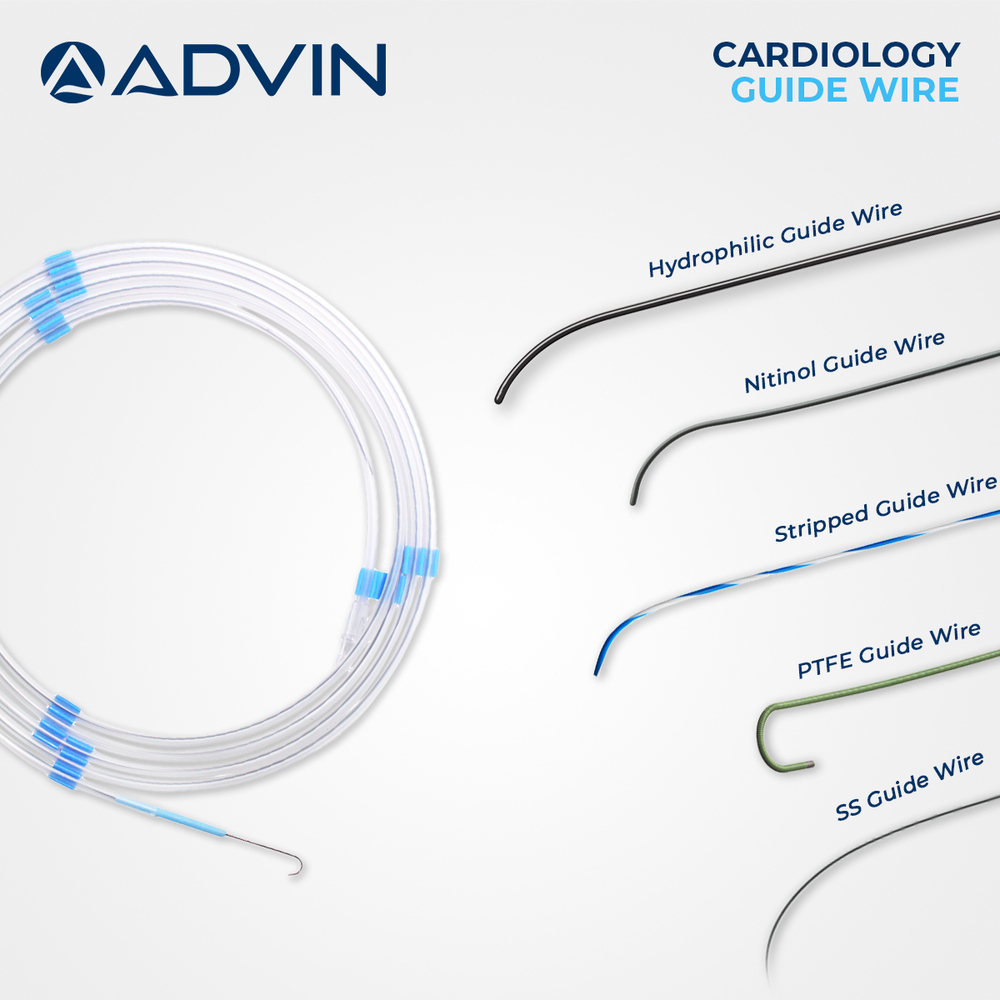
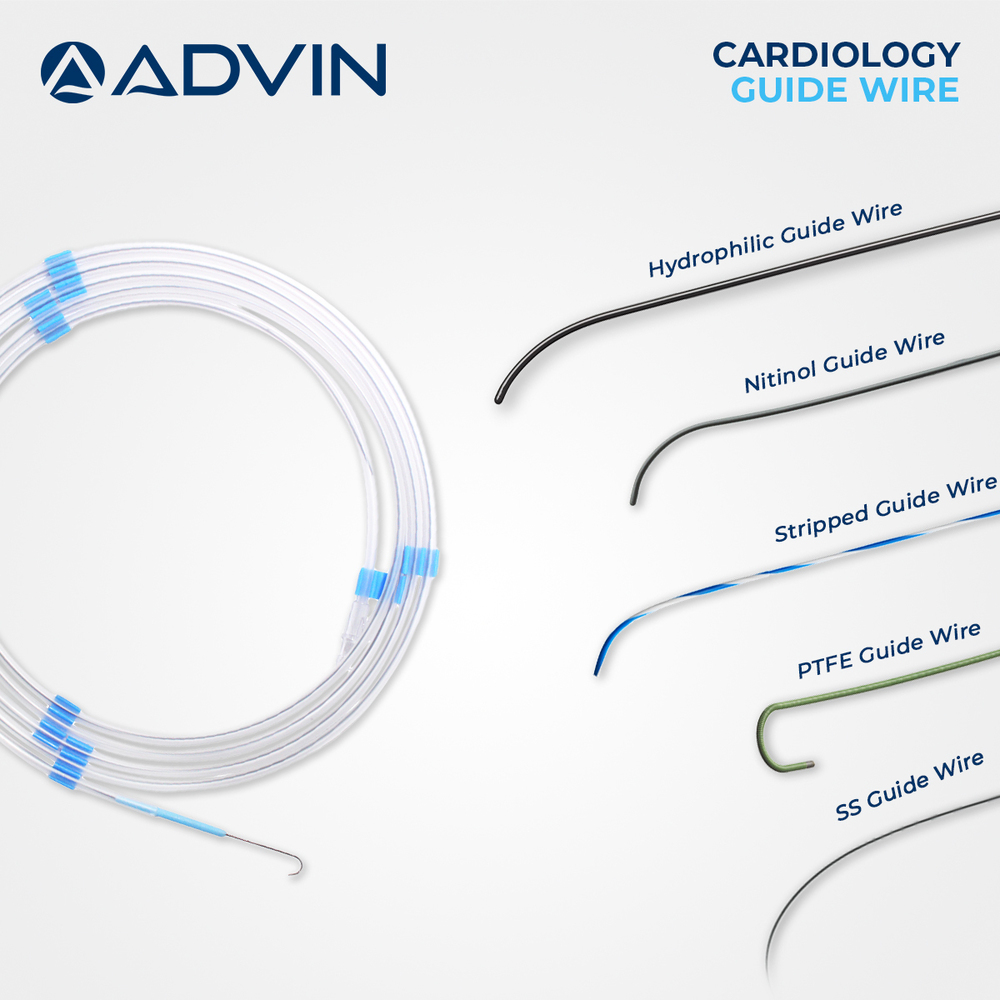
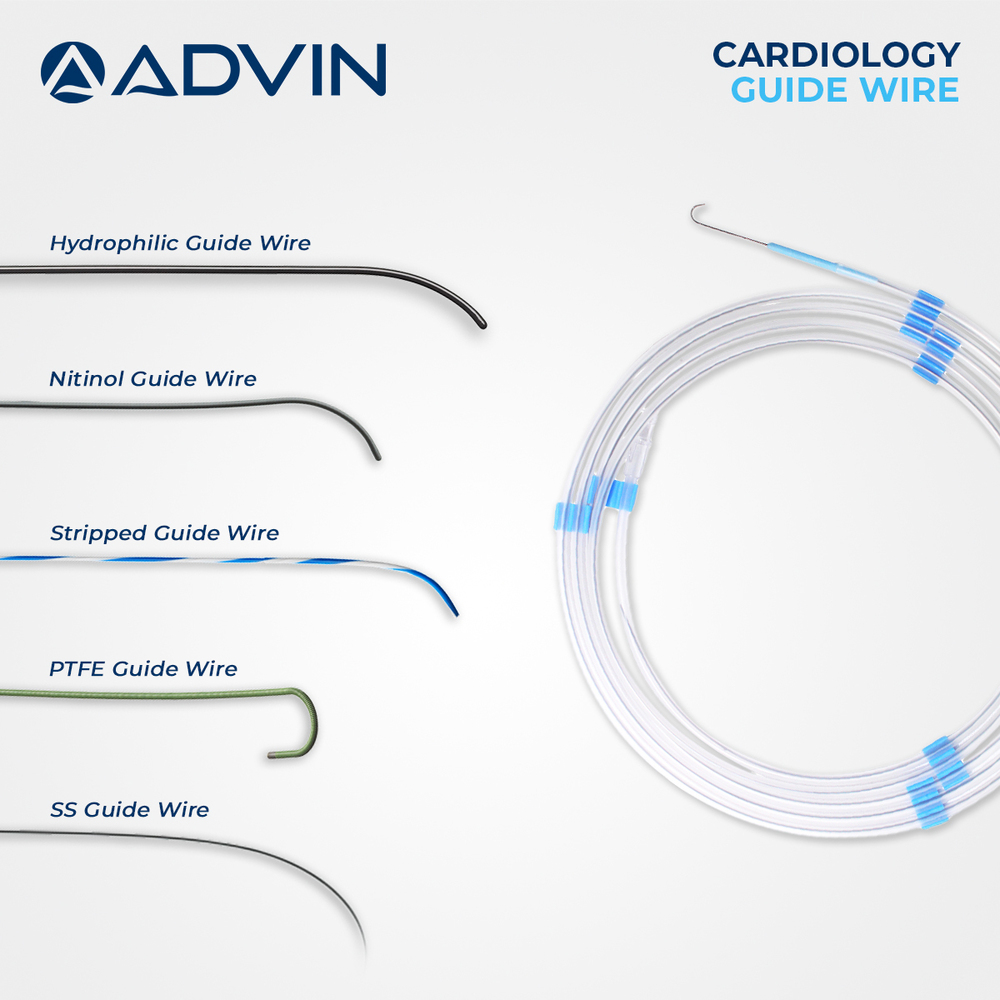
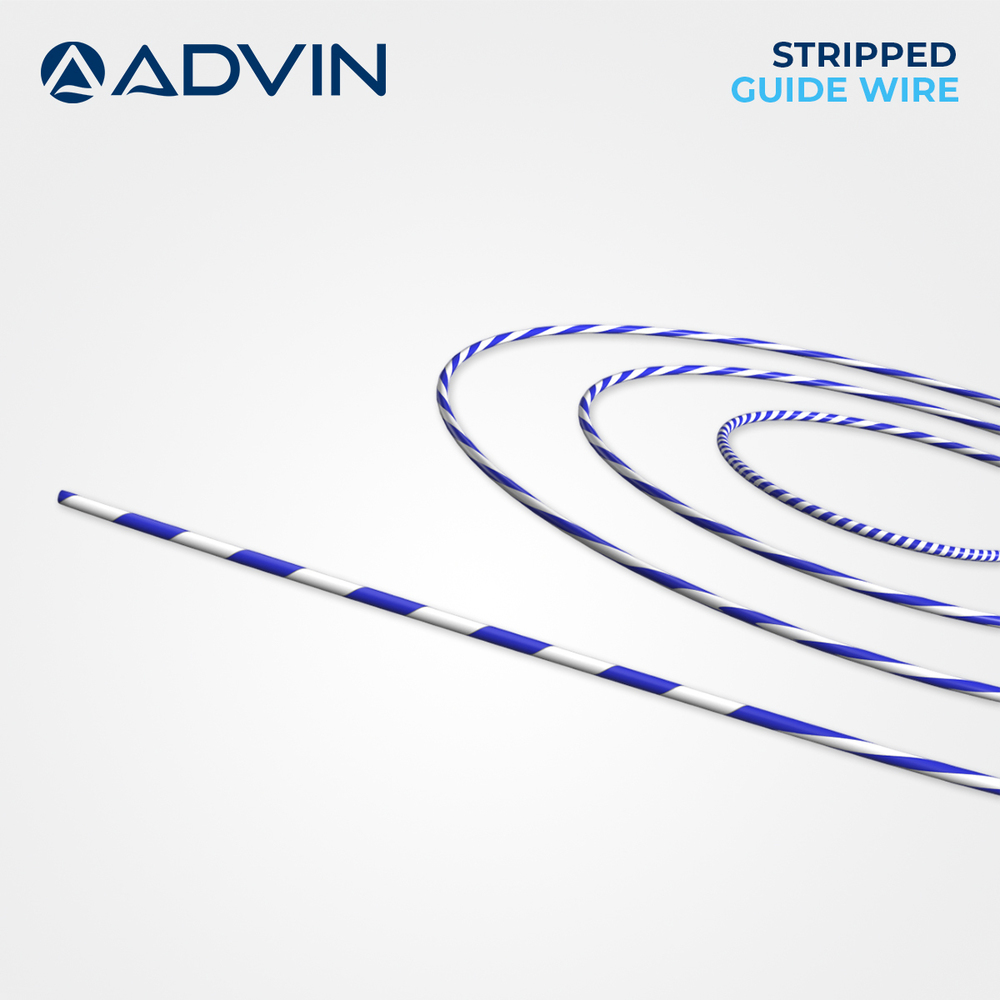
Advin Health Care Multi-Purpose Vascular Wire is designed to deliver reliable performance across a wide range of diagnostic and interventional procedures. It offers smooth navigation, balanced flexibility, and consistent control in diverse vascular applications.
Key Features:
- Versatile design suitable for multiple vascular procedures
- Smooth tracking through varied vessel anatomy
- Balanced flexibility and support for device delivery
- Controlled maneuverability for precise positioning
- Atraumatic tip for enhanced vessel safety
- Compatible with standard interventional systems
Certifications:
CE, ISO 13485, ISO 9001 Certified
Product Keywords:
Multi-Purpose Vascular Wire, Guidewire, Vascular Guidewire, Interventional Guidewire, All-Purpose Guide Wire
, , , ,
Alambre vascular multipropsito, alambre gua, alambre gua vascular, alambre gua intervencionista, alambre gua de uso general
Fil guide vasculaire polyvalent, fil guide vasculaire, fil guide interventionnel, fil guide usage gnral
Exceptional Flexibility and ControlEngineered with advanced wire technology, the Multi Purpose Vascular Wire boasts high torque control and outstanding flexibility. Whether navigating complex vascular pathways or guiding catheters precisely, its kink resistance and flexible design make it a trusted asset for cardiologists, vascular surgeons, and interventional radiologists alike.
Superior Visibility and Surface TechnologyThe radiopaque tip facilitates clear visualization under fluoroscopy, streamlining navigation during critical procedures. With options for hydrophilic or PTFE surface coatings, clinicians benefit from reduced friction, smooth vessel transitions, and dependable catheter guidance, minimizing complications and enhancing patient safety.
Versatile Applications and Reliable SterilityIndividually packaged in protective blister packs, these single-use wires ensure optimal sterility and infection control. Their compatibility with a variety of standard catheters enables broad use in cardiovascular and interventional radiology settings, delivering precision and efficiency to a wide range of medical procedures.
FAQ's of Multi Purpose Vascular Wire:
Q: How does the hydrophilic or PTFE coating benefit vascular procedures?
A: Hydrophilic or PTFE coatings significantly lower surface friction, allowing the wire to move more smoothly within blood vessels. This feature reduces trauma to vessel walls, enhances control, and facilitates easier navigation during interventional procedures.
Q: What tip shapes are available for the Multi Purpose Vascular Wire, and how do I choose the right one?
A: The wire is offered in Straight, J-Tip, and Angled shapes. Straight tips provide direct navigation, J-Tips help prevent vessel injury and navigate around obstacles, while Angled tips assist in accessing challenging anatomical pathways. Selection depends on the procedure and vessel anatomy.
Q: When should the wire be used in interventional procedures?
A: This vascular wire is typically utilized as a guide during catheter placement in cardiovascular procedures, including angioplasty, stenting, and diagnostic interventions. Use it when precise, controlled navigation through blood vessels is essential for procedural success.
Q: Where can the Multi Purpose Vascular Wire be stored, and how is sterility maintained?
A: It should be stored in a cool, dry place away from direct sunlight. Each wire is EO gas sterilized and individually packed in a sterile, sealed blister pack to prevent contamination prior to use.
Q: What is the process for using the wire during procedures?
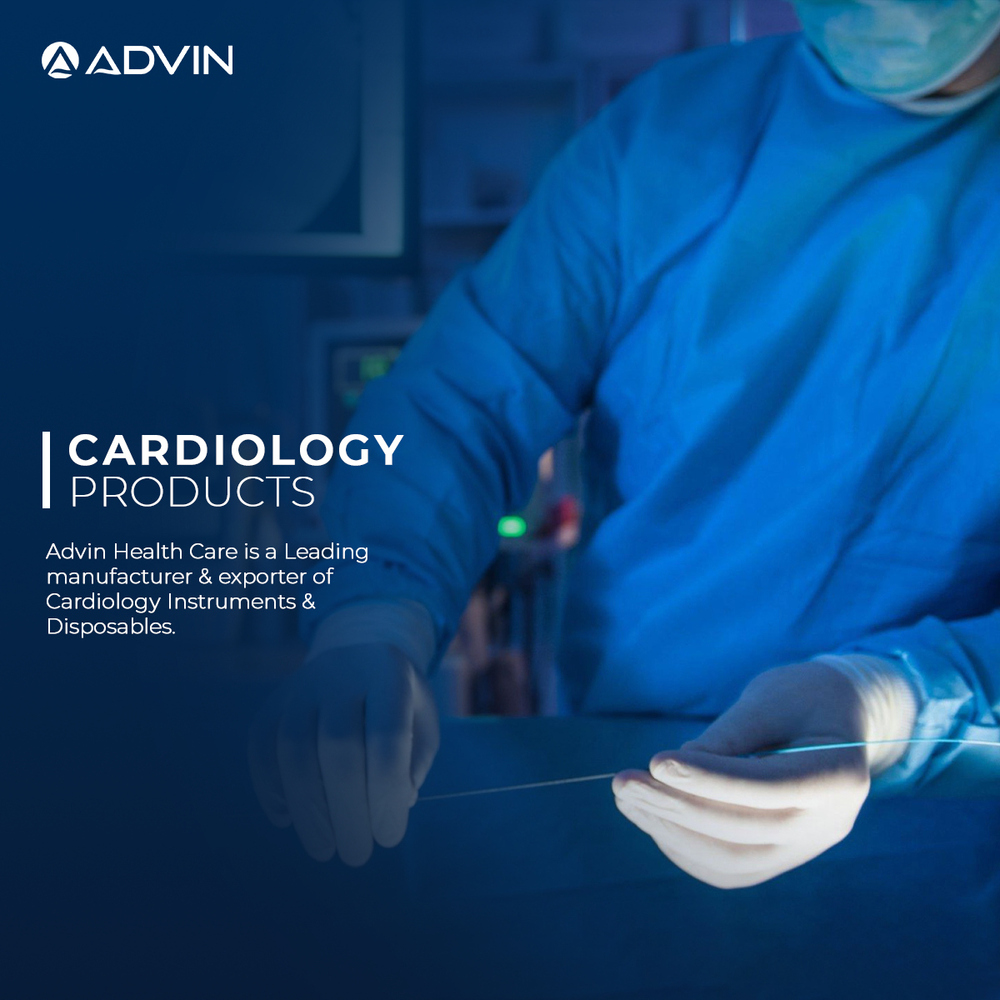
A: The wire is inserted into the vascular system via an introducer or needle, then used to guide catheters or other instruments to the targeted site. Its flexibility and torque control assist in safely negotiating vessel curves or narrow passages, while real-time imaging adds precision.
Q: What are the benefits of choosing this vascular wire for cardiovascular interventions?
A: Key benefits include enhanced navigation accuracy, superior flexibility, strong kink resistance, high radiopacity for imaging clarity, and single-use sterility. These factors together improve procedural safety, efficiency, and patient outcomes.

 Send Inquiry



 Send Inquiry

 Send Inquiry
 English
 Spanish
 French
 German
 Italian
 Chinese (Simplified)
 Japanese
 Korean
 Arabic
 Portuguese