Nitinol Guide Wire About
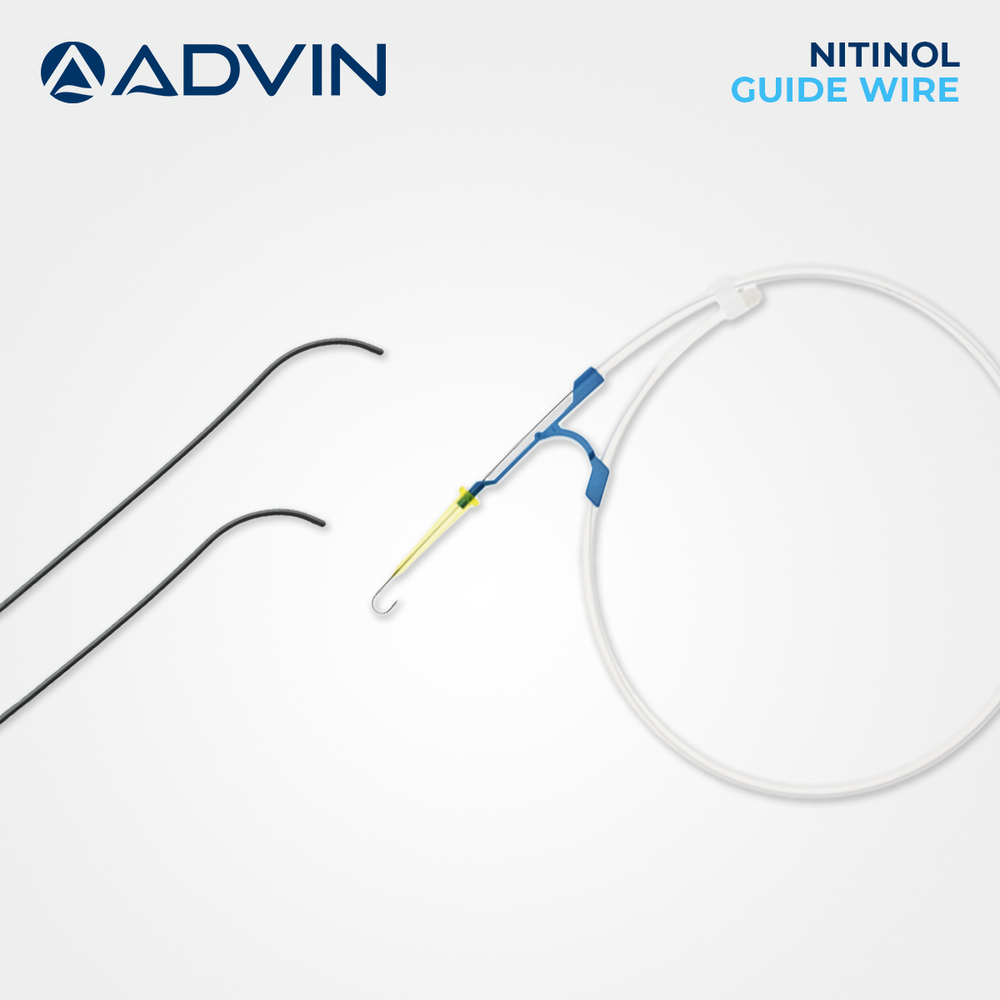
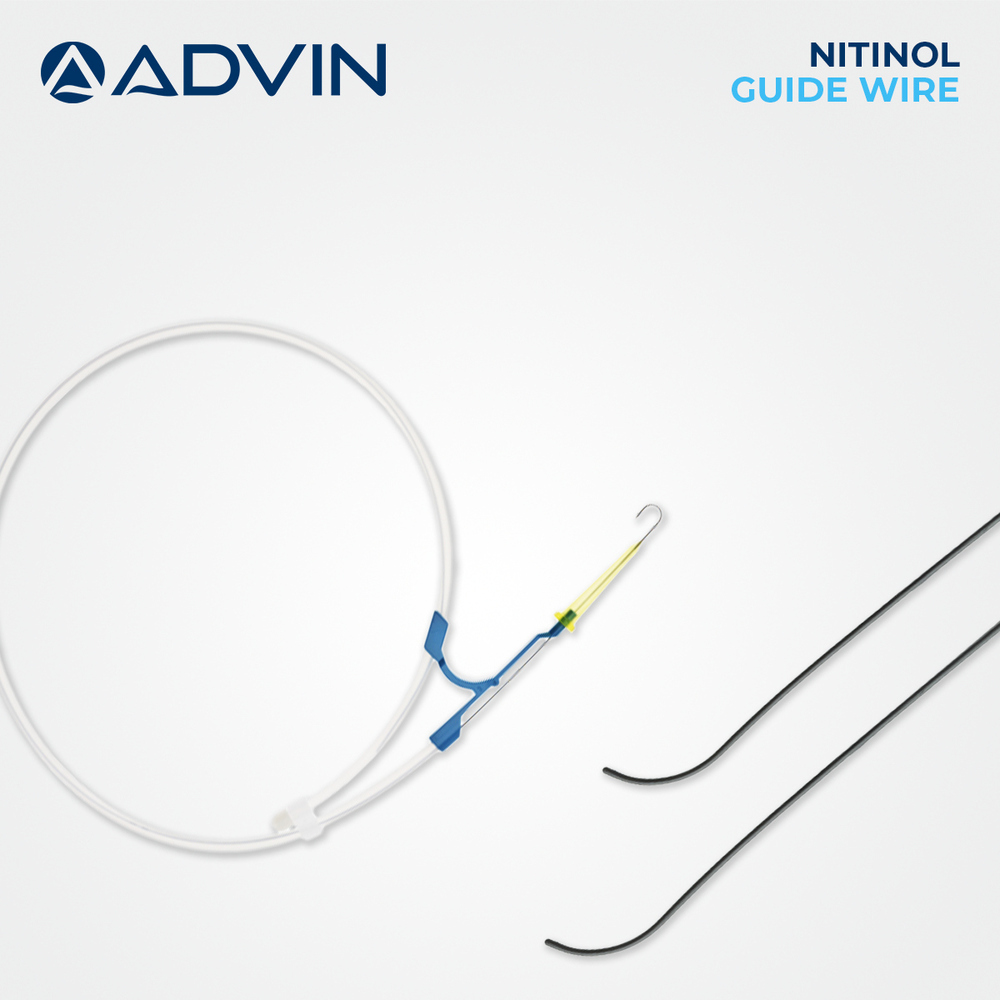
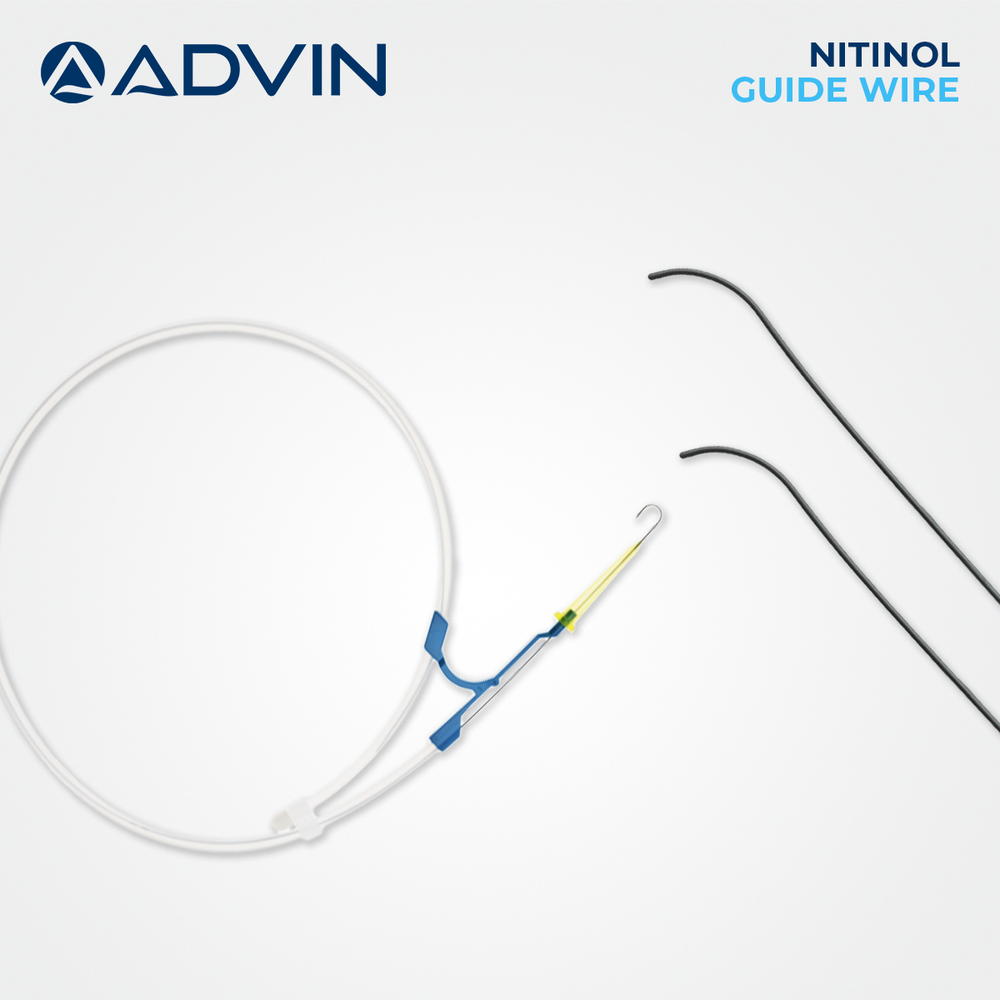
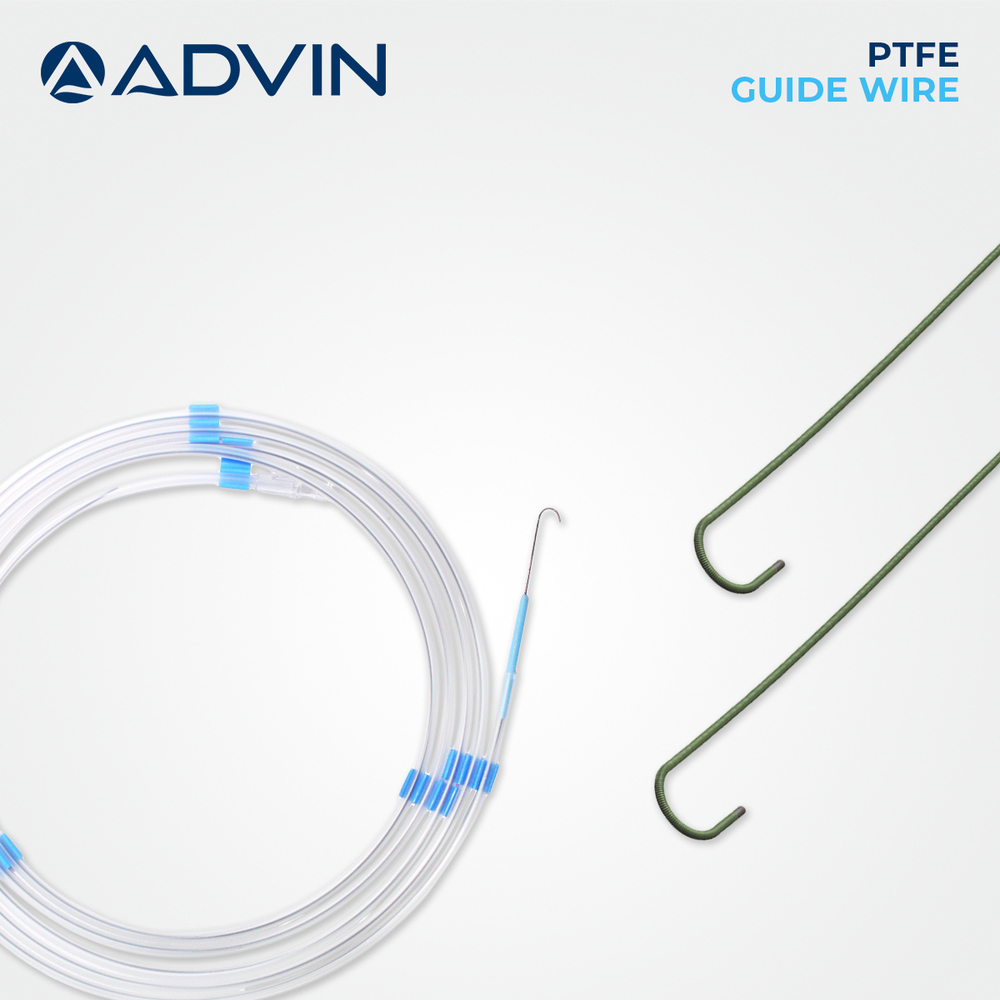
Gaining access and navigating the tortuous urinary tract are the primary functions of ureteral guide wires. The nitinol guidewire is designed to optimize both functions.
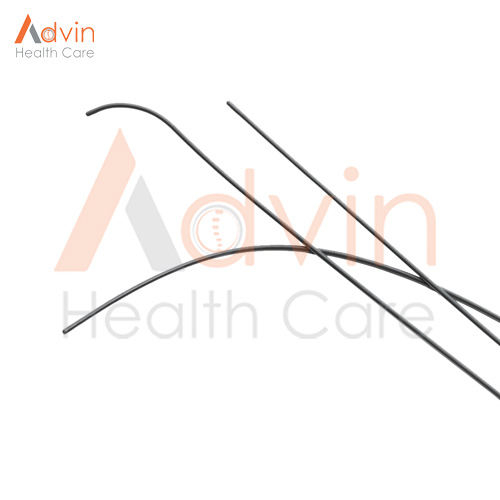
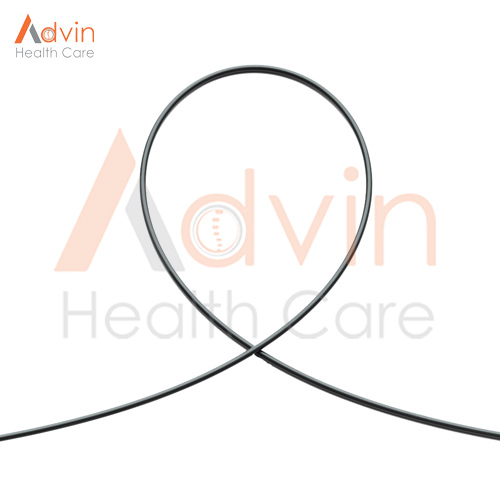
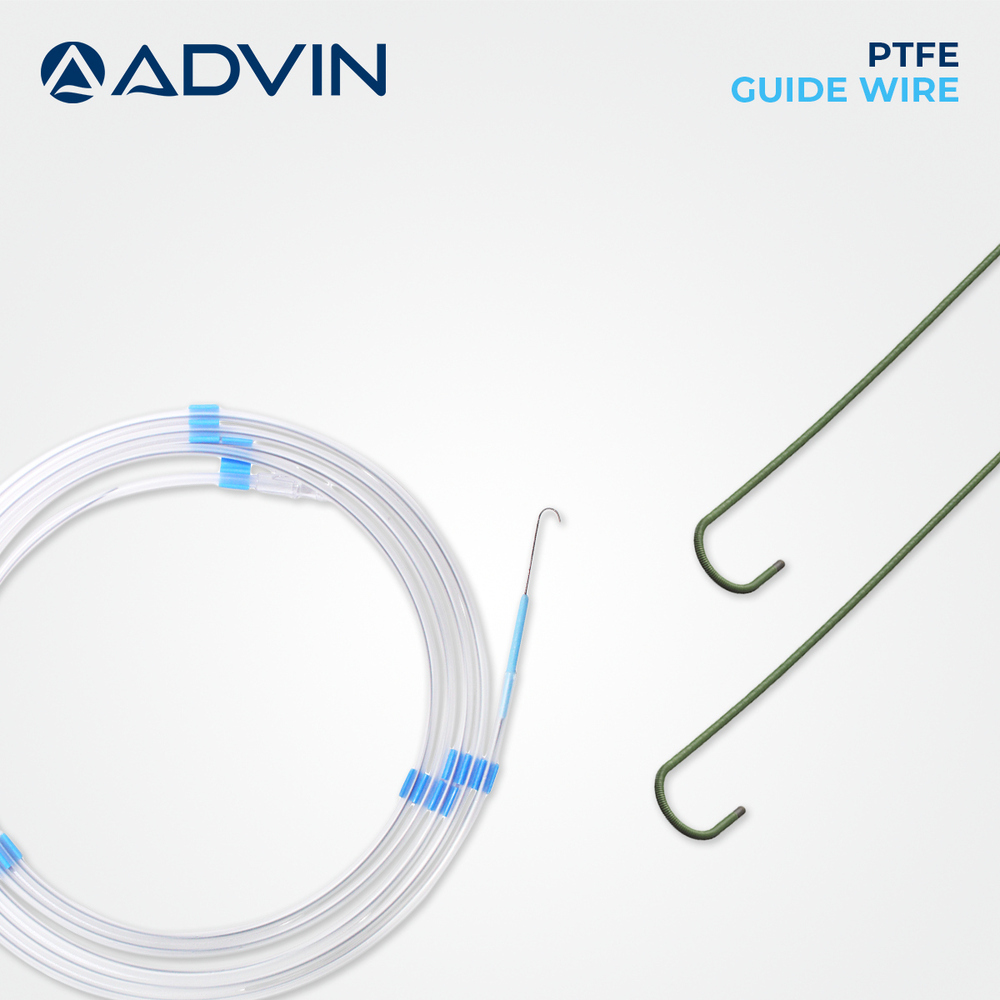
Made of a nitinol core wire it has a hydrophilic coating to aid in insertion and passage of instrumentation. It is available in various wire sizes, tip designs, and shaft configurations. It comes individually packaged, sterile and for single use.
Advanced Features:
- Guidewire tip to be delivered to the desired position in a vessel
- Transmit rotational forces from the operators hand to the tip
- Advance balloon catheters/other devices on Guidewire
- Allows moving the distal tip to search for the true lumen.
- Permits shape memory retention of the distal tip throughout
Advanced Hydrophilic TechnologyThe Nitinol Guide Wire utilizes a hydrophilic coating on its nitinol core, delivering minimal resistance during instrumentation. This innovative feature enhances ease of insertion, reducing trauma and improving procedural outcomes.
Versatile Selection for Clinical NeedsA broad range of wire diameters, tip shapes, and shaft configurations are available to accommodate different procedural requirements. This allows clinicians to choose a guide wire tailored to specific anatomical and procedural challenges.
Quality Assured and Ready for UseEach guide wire is individually packaged and sterilized, ensuring it arrives in optimal condition for immediate use. Produced by leading exporters and manufacturers in India, these guide wires guarantee reliability and high performance.
FAQs of Nitinol Guide Wire:
Q: How is the Nitinol Guide Wire used during medical procedures?
A: The Nitinol Guide Wire is inserted into the patients body to help guide catheters or other instruments to the targeted area. Its hydrophilic coating allows for smooth navigation through vessels, minimizing resistance and enhancing control.
Q: What are the available tip designs and shaft configurations for this guide wire?
A: Various tip designs, such as straight and angled tips, and multiple shaft configurations are offered to meet the needs of diverse medical interventions. Users can select the most appropriate configuration based on the procedure and patient anatomy.
Q: When should a new Nitinol Guide Wire be used instead of reusing an existing one?
A: Each Nitinol Guide Wire is intended for single use and should not be reused. This ensures optimal performance and prevents the risk of infections, as each package is sterile and specifically designed for one-time application.
Q: Where are these guide wires manufactured and supplied?
A: These Nitinol Guide Wires are manufactured, exported, and supplied from India by trusted medical device companies adhering to strict quality controls for international and domestic markets.
Q: What process ensures the sterility and safety of the guide wire?
A: After manufacturing, each guide wire undergoes sterilization and is individually packaged in a sterile environment. This process maintains the products cleanliness and safety until it is opened for the procedure.
Q: What are the benefits of using a Nitinol Guide Wire with hydrophilic coating?
A: The hydrophilic coating greatly decreases friction, facilitating easier insertion and passage of instruments. This contributes to more efficient procedures, reduces patient discomfort, and minimizes potential vessel trauma.

 Send Inquiry



 Send Inquiry

 Send Inquiry
 English
 Spanish
 French
 German
 Italian
 Chinese (Simplified)
 Japanese
 Korean
 Arabic
 Portuguese